A Silent Court in Philadelphia
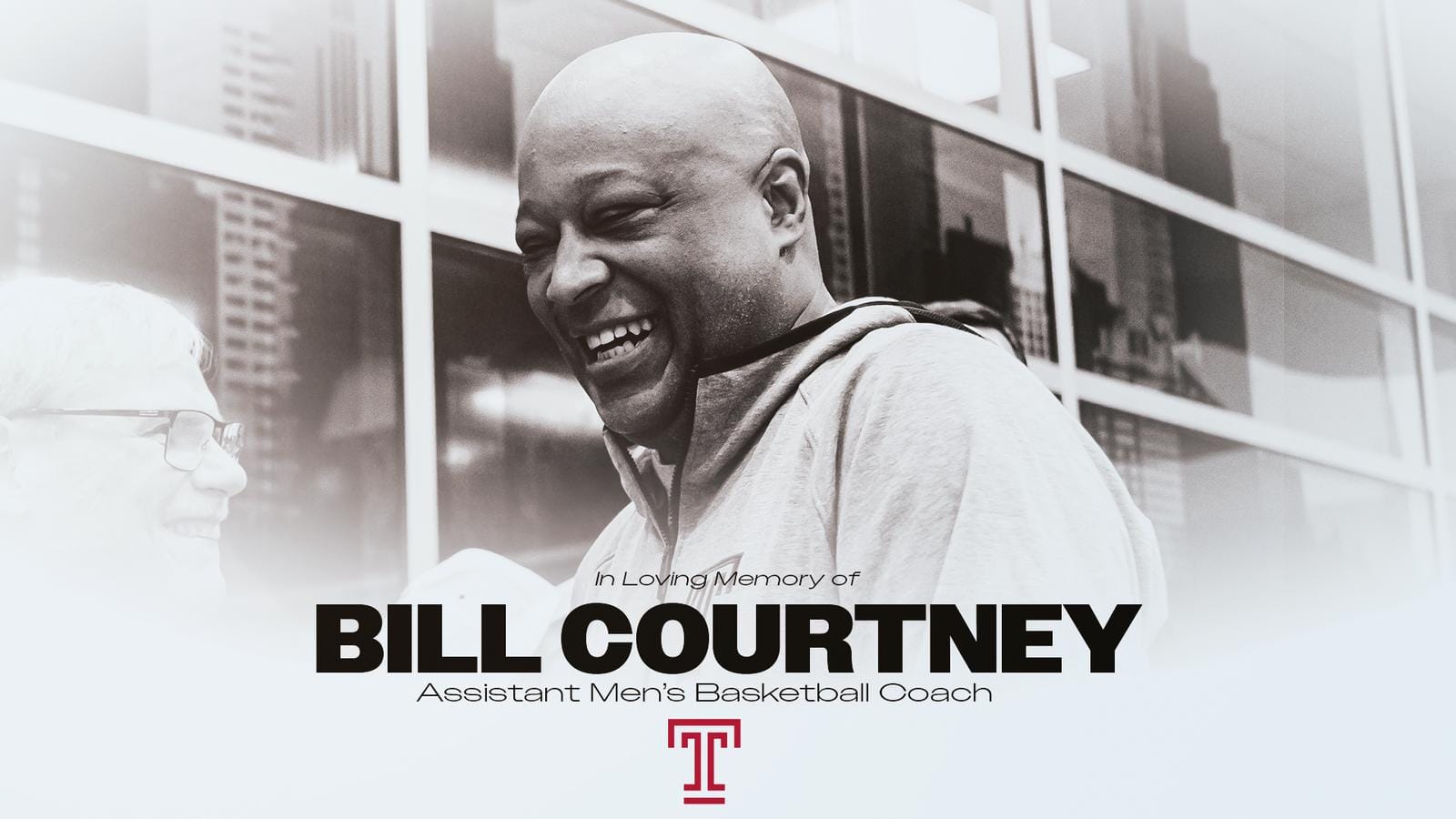
PHILADELPHIA — The vibrant, often chaotic world of college basketball paused this week, as news reverberated from Temple University that assistant men’s basketball coach Bill Courtney had died. At just 55 years old, Courtney’s passing came as a shock to the tight-knit community of Temple Athletics and the broader college hoops fraternity. While a definitive cause of death was not immediately released, the university confirmed the news, describing a profound sense of sadness.
Courtney’s passing, announced by Temple University Athletics, marked the loss of a figure who had dedicated his life to the sport. The university expressed its grief in a statement, noting it was “deeply saddened to announce” the loss. The reaction among players, staff, and fans was one of disbelief, highlighting the suddenness of the event and the significant void left behind in the program.
The Longtime Coach: A Life in Service to the Game
To be described as a “longtime college basketball coach” is to have lived a life defined by dedication and sacrifice. The profession is often nomadic, demanding long hours, constant travel for recruiting, and the psychological burden of managing the hopes and dreams of young athletes. Bill Courtney embodied this dedication, having spent years climbing the ranks of college basketball coaching.
While Courtney’s immediate impact at Temple was clear, his journey through the sport’s landscape prior to joining the Owls program included a stop as a “former UM basketball coach,” according to reports. This career trajectory is typical for coaches who build a reputation through hard work and consistent performance. The assistant coach’s role, in particular, is one of constant motion, often working behind the scenes to prepare players for the next level both on and off the court.
Assistant coaches are, in many ways, the backbone of any successful program. While the head coach receives the accolades and faces the media scrutiny, the assistant coach handles the granular details: individual player development, opponent scouting, and maintaining the cultural cohesion of the locker room. The assistant often serves as a crucial intermediary, bridging the gap between the head coach’s vision and the players’ daily experiences.
The Temple University Program: A Storied Past, a Challenging Present
Temple University basketball holds a place of reverence in college sports history, particularly in Philadelphia, a city known for its passionate hoops culture. The Owls program, with its rich history and tradition of tough, gritty play, requires coaches who understand the nuances of urban basketball and the specific demands placed on student-athletes in a competitive, high-profile environment.
The loss of a key assistant coach like Courtney can send ripples through a program, especially one striving for consistent success in a challenging conference landscape. Continuity in coaching staff is often cited as a critical factor in building a sustainable program. The sudden absence creates a strategic challenge for the team, forcing a reassessment of roles and responsibilities during a period of intense competition.
“The loss of a coach in mid-season, or in the middle of a vital recruiting period, isn’t just an emotional blow; it’s a structural disruption to a team’s operation. Coaches are mentors, strategists, and recruiters all in one. To lose a central piece of that puzzle fundamentally alters the dynamics of the program.”
The role of an assistant coach extends beyond X’s and O’s. They are often the primary recruiters, traveling extensively to identify and secure future talent. The bonds formed during these recruiting trips and subsequent years of development create deep personal relationships. The loss impacts the current roster of players who relied on Courtney for guidance, as well as potential recruits who were being courted by him.
Beyond the Sidelines: The Personal Impact on Student-Athletes
For many student-athletes, the relationship with a coach extends far beyond the duration of a practice or a game. College coaches often act as mentors, guiding young men through critical developmental years and helping them navigate personal challenges. When a coach passes away suddenly, it creates a personal and emotional vacuum that affects the mental well-being of the entire team.
Players often spend more time with their coaches than with almost anyone else during the season. The coach-player relationship is built on trust, accountability, and shared goals. The sudden death of a mentor can force student-athletes to confront profound questions about life, loss, and mortality at an age where they are still finding their own identities.
This aspect of coaching—the human development component—is what truly defines the legacy of many coaches, more so than simple win-loss records. The memories forged during practices, road trips, and challenging moments are often what players carry with them long after their playing days are over.
A Brotherhood Mourns: Reactions Across College Basketball
The college basketball community is a tight-knit brotherhood, and news of a coach’s death, particularly at a relatively young age, sends a shockwave across the entire sport. Coaches often face intense pressure, and the camaraderie among peers, built through years of competition and shared experiences at different institutions, is significant.
The tributes and expressions of sympathy from rival coaches and programs highlight the respect and shared understanding of the profession. When one member of the community falls, it serves as a stark reminder of the fragile nature of life and the deep connections that form within the competitive environment of college athletics.
The Philadelphia basketball scene, in particular, often referred to as “the Big 5,” is known for its intense rivalries but also its deep sense of mutual respect. Coaches from competing schools often share a bond, understanding the unique challenges of coaching in a city with such high expectations for basketball success.
Reflecting on Legacy: More Than Just a Game
Bill Courtney’s passing forces a broader reflection on the impact of individuals who dedicate their lives to developing others. While the focus in college athletics often remains on championships and statistics, the true measure of a coach’s influence lies in the lives they touch, the character they build, and the wisdom they impart.
The legacy of a coach like Courtney, who spent years nurturing talent and guiding young men, extends far beyond the victories on the court. It is found in the success stories of former players, the shared memories of a team, and the lasting impression made on a university community. As Temple University mourns, it also celebrates a life defined by passion for the game and commitment to its athletes.
The university’s statement, expressing deep sadness, encapsulates the sentiment shared by all those whose lives Courtney impacted. It is a moment for reflection on the suddenness of loss and the enduring significance of mentorship in a demanding and competitive world. The lights may be dimmed on the court for now, but the legacy of Bill Courtney will continue to resonate in the lives of those he coached.