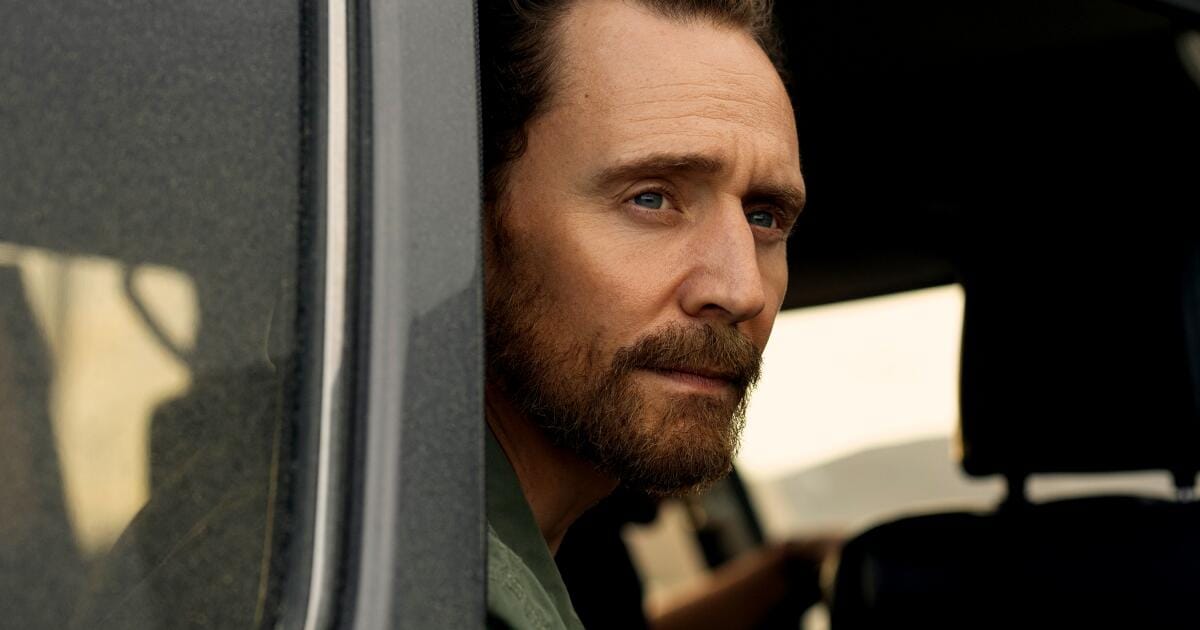
A Decade in Shadows: ‘The Night Manager’ Returns to the Global Stage
Ten years after its initial run captivated audiences and revitalized the spy thriller genre, the highly anticipated second season of ‘The Night Manager’ has premiered. The return of the acclaimed adaptation of a John Le Carré novel marks a significant moment for television, reigniting discussions about the challenges and expectations surrounding long-awaited sequels to critically lauded series.
The original limited series, which first aired in 2016, rapidly achieved “megahit” status, cementing its place in the cultural memory as a benchmark for sophisticated espionage drama. Its decade-long absence has undeniably created a unique landscape for its return, shaping both critical reception and audience anticipation.
The Weight of Expectation: A Decade of Anticipation
The intervening ten years between the first and second seasons of ‘The Night Manager’ represent a considerable span in the fast-paced world of television. This period has seen profound shifts in how content is produced, distributed, and consumed globally. For a show that resonated so deeply with viewers in 2016, the challenge of recapturing that initial spark while also addressing contemporary storytelling sensibilities is immense.
The very concept of a “decade-long wait” carries significant weight. Audiences evolve, cultural touchstones shift, and the competitive landscape of prestige television has become vastly more crowded. The initial success of ‘The Night Manager’ established a high bar, one that any subsequent season would inevitably be measured against. The first season was not merely popular; it was described as having “revitalized spy thrillers,” suggesting a quality and impact that transcended typical viewership figures.
The Legacy of a Megahit
When ‘The Night Manager’ debuted in 2016, it arrived at a pivotal moment for serialized drama. It garnered widespread critical acclaim for its intricate plot, compelling character development, and high production values. Its designation as a “megahit” was a testament to its broad appeal, attracting both fans of the spy genre and general audiences seeking sophisticated storytelling.
The series’ success was particularly notable for its perceived ability to revitalize a genre often prone to cliché. By leaning into the moral complexities and psychological depth characteristic of John Le Carré’s literary works, the show offered a nuanced portrayal of espionage that felt both contemporary and timeless. This artistic triumph set a formidable precedent for any potential follow-up, creating a significant hurdle for the creative team to clear a decade later.
Conflicting Reviews Emerge for Season 2
Early reactions to ‘The Night Manager’ Season 2 are notably polarized, highlighting the inherent difficulty in satisfying universal expectations after such a prolonged hiatus. Some initial assessments suggest that the new season “isn’t worth the decade-long wait,” a critique that speaks directly to the immense pressure on a sequel to not only meet but exceed the established legacy of its predecessor.
Such a sentiment often reflects a reviewer’s individual expectation of narrative progression, character arcs, and overall impact. A ten-year gap allows for a substantial build-up of anticipation, making any perceived deviation from an idealized continuation potentially jarring for some viewers and critics. The benchmark for “worth” becomes incredibly subjective and often tied to the nostalgic glow of the original.
Explosive Revelations and Burning Hearts
Conversely, other reports herald ‘The Night Manager’ Season 2’s return with “explosive reveals,” proclaiming that “every character’s heart is on fire.” This perspective suggests a season replete with high-stakes drama, intense emotionality, and significant plot developments designed to engage and surprise. The phrase “hearts on fire” implies a deep emotional core to the new narrative, suggesting that the characters are pushed to their limits, experiencing profound internal and external conflicts.
This dichotomy in critical response is common for long-awaited continuations of beloved series. What one critic might view as a departure from the original’s tone or quality, another might see as a bold and necessary evolution. The promise of “explosive reveals” hints at a season that aims to deliver significant narrative payoff, leveraging the established history of the characters and the world to create impactful moments.
The Enduring Appeal of John Le Carré’s World
The foundation of ‘The Night Manager’ lies in the masterful storytelling of John Le Carré, whose novels redefined the spy genre. Le Carré’s works are renowned for their psychological realism, moral ambiguity, and incisive critiques of statecraft and human nature. His narratives often eschew the glamour of traditional spy fiction in favor of gritty, complex portrayals of espionage as a world of compromise and profound personal cost.
The enduring appeal of a Le Carré adaptation, even a decade removed from its initial success, speaks to the timelessness of these themes. The challenges of loyalty, betrayal, identity, and the corrupting influence of power remain perpetually relevant. A faithful adaptation, such as the first season of ‘The Night Manager,’ successfully translated these literary qualities into a visual medium, contributing significantly to its “megahit” status.
Adapting a Literary Giant for Television
The choice to adapt a John Le Carré novel for television in 2016 was a strategic one, capitalizing on the demand for high-quality, intellectually stimulating drama. Le Carré’s intricate plots and richly drawn characters lend themselves well to the serialized format, allowing for sustained tension and deep character exploration. The success of Season 1 demonstrated the viability of bringing his complex world to a broader television audience, potentially introducing his work to a new generation of viewers.
The subsequent return for a second season, even without a direct literary sequel from Le Carré himself (as the first season covered the entire novel), suggests a creative expansion beyond the original source material. This move inherently carries risks and opportunities, as it requires the new season to not only honor the spirit of Le Carré but also forge its own narrative path, living up to the high standards set by the initial adaptation.
Navigating the Evolving Television Landscape
The television industry of 2026 is vastly different from that of 2016. The rise of global streaming platforms, increased competition for viewer attention, and a shift towards diverse and innovative storytelling methods have reshaped the landscape. For ‘The Night Manager’ Season 2, this means re-entering a market where audiences have an unprecedented array of choices, and the definition of a “megahit” itself might have evolved.
Maintaining narrative consistency and character integrity over a ten-year gap is a monumental task. The creative team must consider how characters would have aged and evolved, both physically and emotionally, during their fictional hiatus. Furthermore, the aesthetic and thematic approaches that resonated a decade ago might require updating to feel fresh and relevant to a contemporary audience, all while retaining the core essence that made the original so compelling.
The Challenge of a Long-Awaited Sequel
The return of ‘The Night Manager’ after a decade highlights the significant challenges inherent in producing sequels to highly successful, self-contained limited series. The decision to revisit a story after such a long time often stems from the immense popularity and critical success of the original, creating a powerful incentive to extend the narrative.
However, this also means contending with deeply ingrained audience memories and expectations. Viewers often form strong attachments to characters and storylines, and any perceived misstep in a continuation can lead to disappointment. The balance between satisfying nostalgia and forging a new, compelling narrative path is delicate and requires considerable creative dexterity.
The mention of “spoilers for the first three” episodes in early discussions also underscores the serialized nature of the new season, indicating a methodical unfolding of the narrative. This structural choice suggests a commitment to layered storytelling, allowing for character development and plot twists to be revealed over time, potentially building towards the “explosive reveals” promised by some critics.
Looking Ahead: The Future of Prestige Spy Thrillers
The return of ‘The Night Manager’ Season 2 serves as a fascinating case study in the longevity and enduring appeal of prestige television. Its initial success reaffirmed the appetite for intelligent, character-driven spy thrillers, a genre that thrives on moral ambiguity and high stakes. The critical divergence surrounding its new season reflects the subjective nature of artistic evaluation, particularly when nostalgia and elevated expectations are at play.
Ultimately, whether ‘The Night Manager’ Season 2 successfully re-establishes its former glory or struggles under the weight of its own legacy will be determined by its capacity to engage, surprise, and resonate with a new generation of viewers, while also satisfying the loyal fanbase who have waited a decade for its return. Its journey will undoubtedly contribute to the ongoing conversation about how long-form narratives adapt and evolve in an ever-changing media landscape.