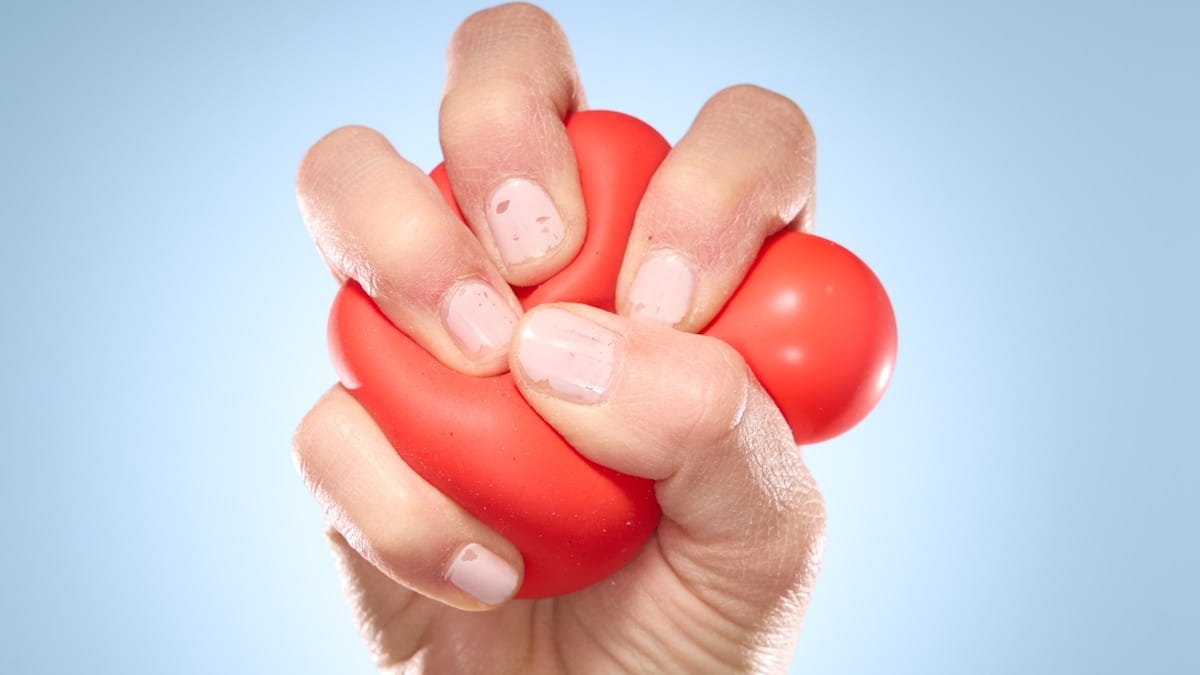
Grip Strength: A Powerful Predictor of Health and Longevity
The simple act of shaking someone’s hand, or the force with which you can squeeze an object, may offer clinicians a surprising snapshot into your overall health. Emerging research suggests that grip strength is not just a measure of physical power but a significant indicator of how well and how long an individual might live.
This connection between grip strength and longevity is being explored by scientists and medical professionals alike. It moves beyond traditional health markers to offer a more dynamic and accessible assessment of a person’s vitality.
Why Grip Strength Matters
Clinicians are increasingly recognizing grip strength as a valuable metric. A weaker grip can signal underlying health issues that might not be immediately apparent through other tests. These can range from metabolic problems to cardiovascular risks.
Studies have indicated a strong correlation between reduced grip strength and a higher risk of mortality. This means that individuals with a firmer grip tend to live longer, healthier lives compared to those with a weaker grip.
The ability to perform everyday tasks, such as opening a jar or carrying groceries, is directly related to grip strength. Difficulty with these simple actions can be an early warning sign of declining muscle mass and function, often associated with aging or chronic diseases.
The Science Behind the Grip
Grip strength is a reflection of muscle mass and function throughout the entire body, not just in the hands. It involves the coordinated effort of muscles in the forearm, hand, and even the core. Therefore, a decline in grip strength can indicate a broader systemic weakening.
Several large-scale studies have explored this link. For instance, research published in journals like The Lancet has highlighted how grip strength can predict a range of adverse health outcomes, including cardiovascular disease, all-cause mortality, and disability.
This makes grip strength a potential screening tool. It could help identify individuals who may benefit from further medical evaluation and interventions to improve their health trajectory.
Beyond the Handshake: A Broader Health Snapshot
While a firm handshake has traditionally been associated with confidence and competence, its implications for health are far more profound. It serves as a non-invasive, easily measurable indicator of physiological reserve.
The concept extends to other physical capabilities. For example, the ability to stand on one leg for an extended period has also been linked to better health outcomes, particularly as individuals age. This highlights a general principle: maintaining physical capability is crucial for overall well-being.
The research suggests that as people age, maintaining or improving grip strength can be a proactive strategy for enhancing healthspan – the period of life spent in good health. It’s a tangible aspect of physical fitness that can be improved through targeted exercises.
Broader Trends and Implications
The growing body of evidence on grip strength aligns with a broader trend in preventative medicine. This trend emphasizes the importance of simple, accessible metrics for early health assessment. The focus is shifting towards empowering individuals with knowledge about their bodies and encouraging proactive health management.
For healthcare systems, understanding the predictive power of grip strength could lead to more efficient screening protocols. It might allow for earlier identification of at-risk populations, enabling timely interventions that could reduce healthcare costs and improve patient outcomes.
This research also underscores the importance of maintaining muscle strength throughout life. It encourages a holistic view of health that includes not just diet and cardiovascular fitness but also functional strength and mobility.
Looking Ahead: Enhancing Grip Strength for Better Health
The good news is that grip strength is often trainable. Simple exercises, such as using hand grippers, squeezing stress balls, or even certain weightlifting exercises, can help improve grip strength over time.
Incorporating these exercises into a regular fitness routine could have far-reaching benefits, extending beyond just hand and forearm strength. It could contribute to overall physical resilience and potentially enhance longevity.
As research continues, the role of grip strength in personalized health assessments is likely to grow. It offers a compelling, actionable insight into an individual’s health status and future well-being.
By paying attention to how firmly we can grip, we may unlock a deeper understanding of our own health and take proactive steps towards a longer, more vibrant life.