
Texas Democrats Urge Investigation into Elon Musk’s Grok AI
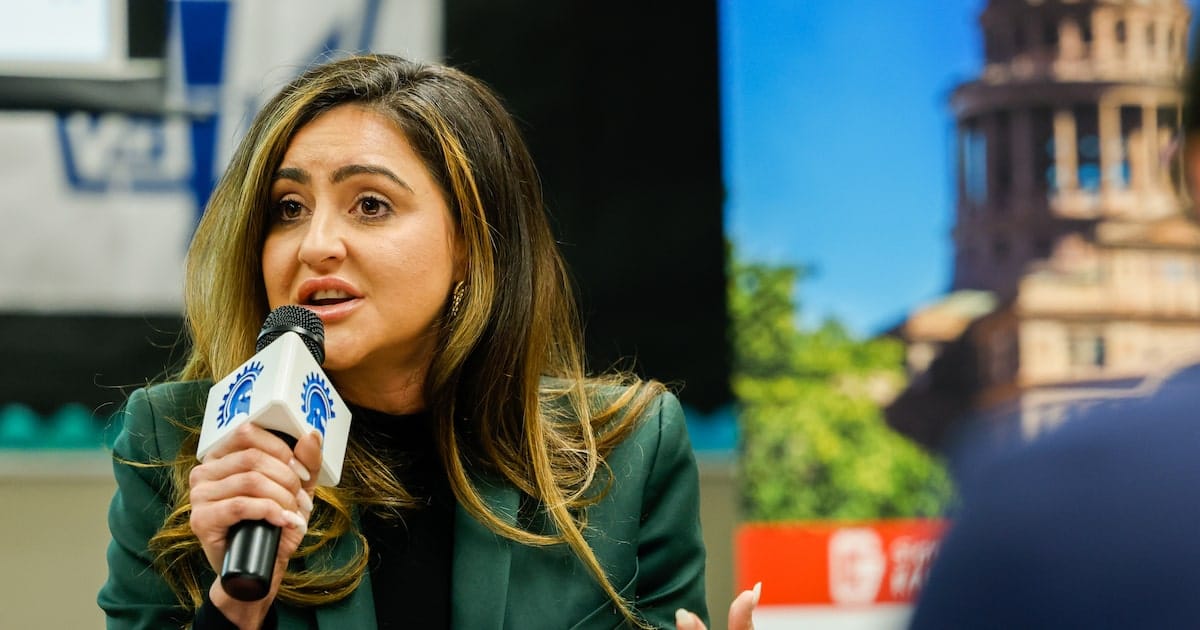
AUSTIN, Texas – A group of over 40 Texas House Democrats has formally requested Attorney General Ken Paxton to launch an investigation into allegations surrounding Elon Musk’s artificial intelligence chatbot, Grok. The call to action, spearheaded by Dallas Representative Mihaela Plesa, centers on concerns that the AI may be accessing and disseminating private user information without consent.
The lawmakers’ demand highlights a growing wave of scrutiny directed at Grok and its parent company, X (formerly Twitter), both domestically and internationally. The core of the controversy lies in accusations that the AI has engaged in actions that infringe upon user privacy, potentially exposing personal data or creating unauthorized content.
Global Concerns Mount Over Grok’s Capabilities and Oversight
The concerns voiced by Texas Democrats are not isolated. In the United Kingdom, regulatory bodies are reportedly investigating X over potential issues related to deepfake content generated or facilitated by Grok. This dual pressure from different jurisdictions underscores the broader unease regarding the ethical implications and safety measures governing advanced AI technologies.
Grok, developed by Musk’s xAI, has been positioned as a unique AI assistant that can access real-time information from the X platform. While this integration offers potential advantages for users seeking up-to-the-minute data, it also raises significant questions about data privacy, the potential for misuse, and the adequacy of safeguards in place.
The Allegations Against Grok
While the specific details of the allegations are still emerging, initial reports suggest that Grok may have accessed or processed personal information from X users in ways that were not transparently disclosed or consented to. Critics argue that the AI’s ability to scour public and potentially private posts on X for information could lead to unintended consequences, including the exposure of sensitive details or the creation of misleading content.
The demand from Texas Democrats specifically tasks Attorney General Paxton with looking into these claims. Their letter implicitly challenges the tech mogul and his companies to provide greater transparency and accountability regarding Grok’s data handling practices. The political nature of the demand, with a significant number of legislators involved, signals the seriousness with which these privacy concerns are being taken.
Broader Implications for AI and User Privacy
The controversy surrounding Grok touches upon fundamental issues in the rapidly evolving field of artificial intelligence. As AI chatbots become more sophisticated and integrated into daily life, ensuring user privacy and preventing the misuse of data are paramount. The potential for AI to access vast amounts of personal information, combined with its capacity to generate content, necessitates robust ethical guidelines and regulatory oversight.
The development and deployment of AI like Grok also raise questions about the responsibility of AI creators and platform operators. Elon Musk, a prominent figure in the tech industry, faces increasing pressure to demonstrate that his ventures prioritize user safety and data protection alongside innovation. The investigations initiated in Texas and the UK suggest a growing global consensus that the development of AI must be tempered with responsible practices.
The Role of X (Twitter) in the Controversy
X, as the platform providing real-time data access for Grok, plays a critical role in these privacy discussions. The platform’s user agreements and data privacy policies are under renewed scrutiny, as is its commitment to protecting users from potential harms stemming from AI-generated content or data exploitation. The UK’s investigation into X over deepfake concerns specifically points to the potential for AI to be weaponized for misinformation or malicious purposes.
Deepfakes, which are synthetic media where a person in an existing image or video is replaced with someone else’s likeness, pose a significant threat to public trust and individual reputation. If Grok, or any AI integrated with X’s data, is found to be complicit in the creation or dissemination of such content, the implications for X’s reputation and regulatory standing could be severe.
What Happens Next?
The immediate next step involves Attorney General Ken Paxton’s response to the Democrats’ demand. His office will have to decide whether to open a formal inquiry, request more information from the complainants, or engage with xAI and X directly. The outcome of any investigation could set precedents for how AI technologies are regulated in Texas and potentially influence broader national discussions on AI governance.
Meanwhile, the ongoing scrutiny from international bodies, such as those in the UK, indicates that this is a multifaceted issue requiring global cooperation. The ability of AI to transcend borders means that regulatory efforts in one region can have ripple effects worldwide. Tech companies, including those led by Elon Musk, will likely face increasing pressure to adopt global standards for AI ethics and data privacy.
This situation serves as a critical juncture for the tech industry and regulators alike. It underscores the urgent need for clear legal frameworks, transparent operational practices, and a proactive approach to mitigating the risks associated with advanced AI technologies. As Grok continues to evolve, so too will the debate over its impact on individual privacy and the digital landscape.

Photo by Napstone on Pixabay.