WNBA Collective Bargaining Agreement Expires, Negotiations Continue
The Women’s National Basketball Association (WNBA) and the Women’s National Basketball Players Association (WNBPA) failed to reach an agreement on a new collective bargaining agreement (CBA) or an extension of the previous one by the 11:59 p.m. ET deadline on Friday.
This expiration means the league will now operate under a “status-quo” period, with the terms of the old agreement remaining in effect while discussions between the league and the players’ union continue.
Understanding the ‘Status-Quo’ Period
The expiration of the CBA does not halt league operations. Instead, it signifies a return to the conditions and rules stipulated in the previous agreement. This includes aspects of player salaries, benefits, free agency rules, and other key operational elements.
While both sides have expressed a commitment to reaching a new deal, the lack of an extension by the deadline introduces a period of uncertainty, though business as usual continues under the established framework.
Implications for Teams and Players
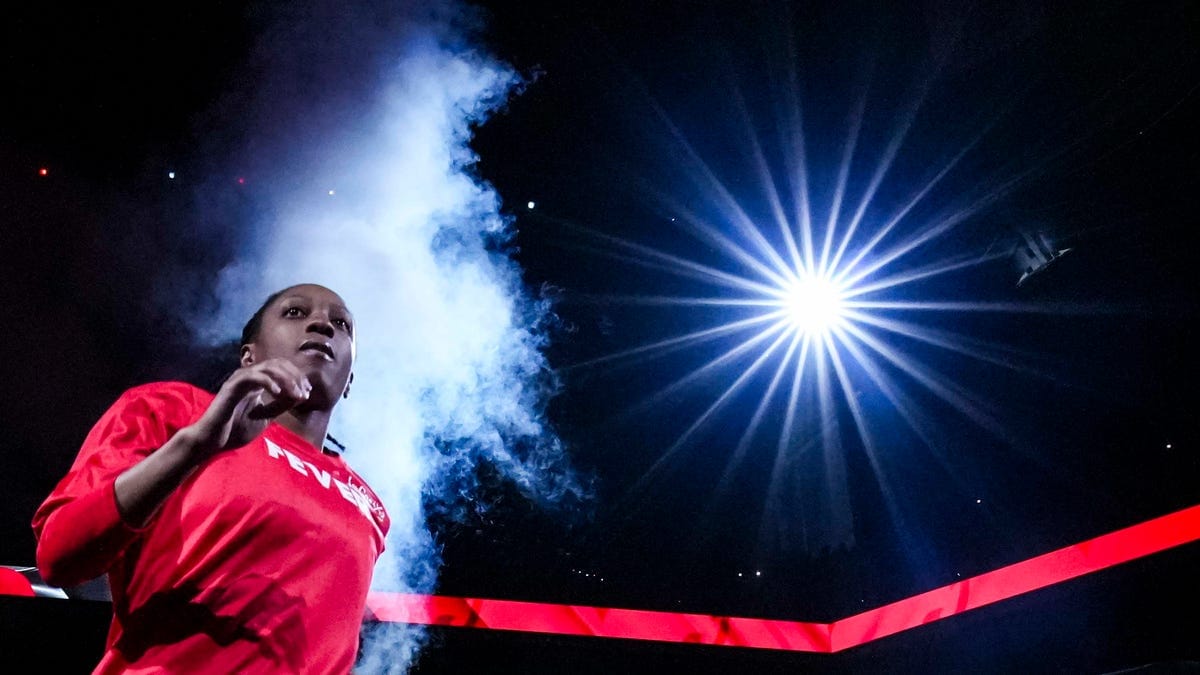
The expiration of the CBA can have ripple effects throughout the league, impacting individual teams and players differently. For franchises like the Indiana Fever, this status-quo period means that current player contracts and operational procedures remain unchanged for the time being.
Key players such as Kelsey Mitchell and Lexie Hull of the Indiana Fever, like all WNBA athletes, will continue to play under the existing terms. This includes salary structures, benefit packages, and free agency protocols that were part of the expired agreement.
Player Perspective on the Negotiation Stalemate
The WNBPA, representing the interests of the players, has consistently pushed for improved economic opportunities, enhanced player benefits, and greater investment in the league. The negotiations are crucial for ensuring fair compensation and career sustainability for WNBA athletes.
Sources close to the negotiations indicate that discussions have been complex, involving various economic models and league growth strategies. Both the league and the union are working towards a resolution that reflects the evolving landscape of professional women’s basketball.
League’s Position and Future Outlook
The WNBA, as the governing body, has also been focused on securing a framework that supports the league’s long-term growth and financial stability. This includes expanding the season, increasing media visibility, and exploring new revenue streams.
The league’s strategy likely involves balancing player demands with the economic realities of professional sports. The ongoing talks highlight the collaborative effort required to shape the future of the WNBA.
Historical Context of WNBA CBAs
The WNBA has a history of navigating CBA negotiations, with each agreement aiming to advance the league and its players. Previous CBAs have been instrumental in establishing player protections, increasing pay, and improving the overall player experience.
The current situation is not unprecedented, as labor negotiations in professional sports often extend beyond deadlines. However, the urgency to finalize a new agreement remains high for all stakeholders involved.
Previous CBA Milestones
The 2020 CBA, for example, was a landmark agreement that significantly increased player salaries, provided better travel accommodations, and expanded maternity leave benefits. It represented a major step forward in recognizing the value of WNBA athletes.
The current negotiations are expected to build upon these advancements, addressing new challenges and opportunities in the WNBA’s expanding market. The players are seeking further improvements in areas such as revenue sharing, marketing opportunities, and expanded roster sizes.
The Economic Landscape of the WNBA
The WNBA’s economic model is a key point of discussion in the ongoing negotiations. The league has seen significant growth in viewership and fan engagement in recent years, leading to increased commercial interest.
This growth presents an opportunity to further invest in the players and the infrastructure of the league. Discussions likely revolve around how this increased revenue will be distributed and how it can be leveraged to enhance the careers of WNBA athletes.
Revenue Sharing and Player Compensation
A central theme in labor negotiations across sports is the division of revenue. WNBA players are advocating for a more substantial share of the league’s growing revenue, which they believe is commensurate with their contribution to the league’s success.
The WNBA, on the other hand, may be looking at strategies to ensure sustainable growth and profitability, which could involve phased increases in compensation tied to revenue milestones. The specifics of revenue sharing models are often complex and are a significant focus of the bargaining process.
Sponsorships and Marketing Opportunities
The expansion of sponsorship deals and marketing opportunities is another critical area. As the WNBA gains more traction, players are seeking enhanced individual marketing deals and greater involvement in league-wide marketing initiatives.
The WNBPA aims to secure provisions that allow players to maximize their earning potential through endorsements and other commercial ventures, contributing to their overall financial well-being and the league’s brand. The collective bargaining process seeks to establish clear guidelines for these opportunities.
Impact on Fan Engagement and League Growth
While the CBA negotiations are primarily an internal matter between the league and players, the outcome can indirectly influence fan engagement and the overall growth trajectory of the WNBA.
A swift and equitable resolution is generally seen as beneficial for maintaining momentum and positive public perception. Conversely, prolonged disputes or an unfavorable agreement could potentially dampen enthusiasm.
Maintaining Momentum
The WNBA has been experiencing a surge in popularity, with record viewership numbers and increased media attention. Fans are highly engaged with the league’s stars and storylines.
A stable and progressive CBA is crucial for sustaining this momentum. It assures players of fair treatment and continued investment, which can translate into a more compelling on-court product and a stronger fan connection.
The Path Forward
Both the WNBA and the WNBPA have emphasized their commitment to finding common ground. The “status-quo” period allows for continued dialogue without the immediate pressure of a deadline, potentially fostering a more productive negotiation environment.
The coming weeks will be critical as both parties work towards an agreement that propels the WNBA forward, ensuring its continued success and the prosperity of its athletes. The league and the union are expected to continue to work diligently to reach a mutually beneficial deal.