The Supercopa Showdown: Barcelona and Real Madrid Vie for Spain’s First Title
The global football calendar frequently presents clashes of titans, but few rivalries command the attention, passion, and historical weight quite like ‘El Clásico’ between FC Barcelona and Real Madrid. This Sunday, the two Spanish behemoths are set to reignite their storied rivalry in the final of the Supercopa de España, a fixture that transcends mere sport to become a cultural touchstone. Beyond the pursuit of silverware, this match represents the season’s inaugural opportunity for either club to hoist a trophy, an outcome that could profoundly shape the psychological landscape for the demanding months ahead.
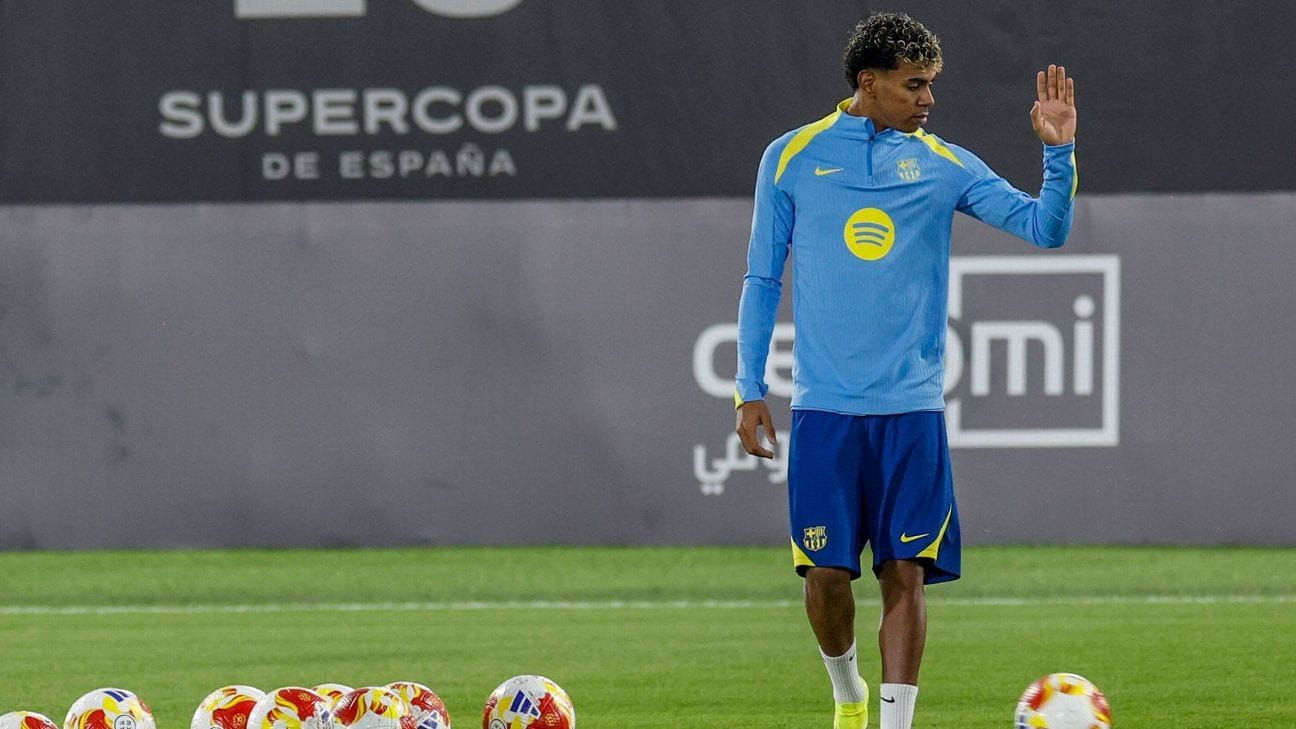
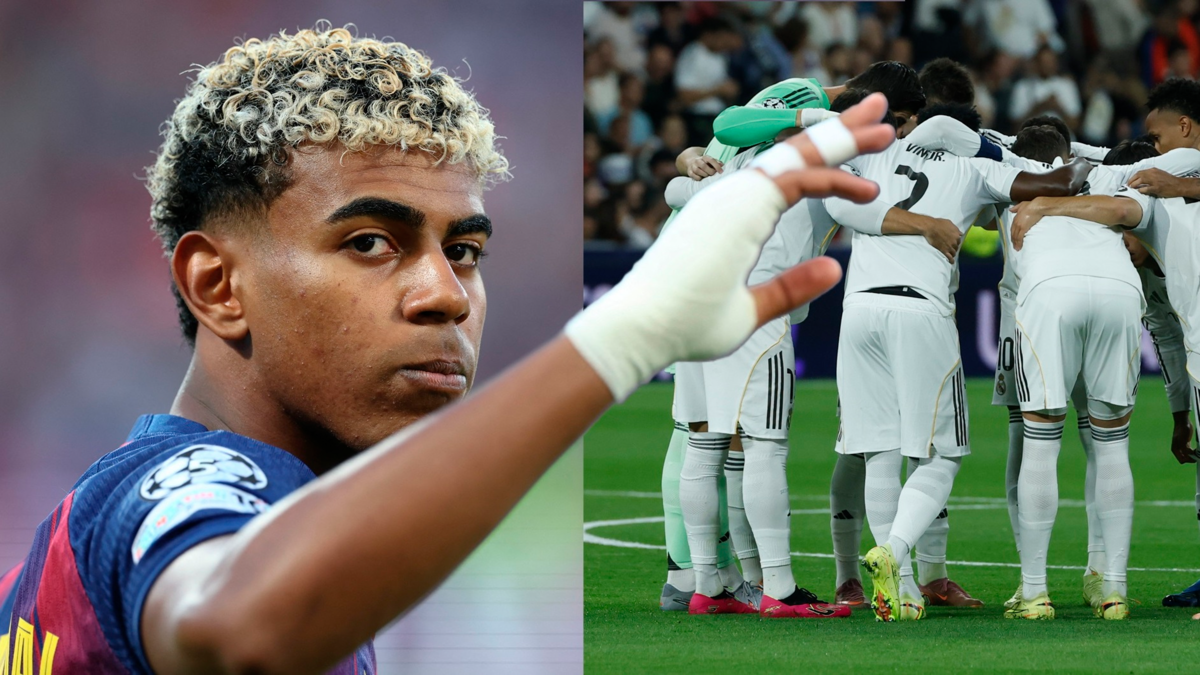
The narrative leading into this high-stakes encounter is particularly intriguing. FC Barcelona enters the fray with a distinct advantage in morale and perceived form, significantly bolstered by the return of prodigious talent Lamine Yamal to their starting lineup. His inclusion is not just a tactical decision but a statement of intent, promising youthful exuberance and offensive dynamism. In stark contrast, Real Madrid, a club typically radiating an aura of invincibility, reportedly approaches this final “replete with doubts,” an unusual and potentially vulnerable position for a team accustomed to dominating the sport’s biggest stages.
A Pivotal Clasico: Yamal’s Return and Madrid’s Doubts Define the Narrative
The confirmed re-inclusion of Lamine Yamal in Barcelona’s starting eleven is a significant strategic move. Despite his tender age, Yamal has already demonstrated an extraordinary blend of skill, searing pace, and audacious decision-making that belies his years. His ability to take on defenders, create chances, and provide a direct attacking threat offers coach Xavi Hernández a potent weapon. Yamal’s presence could be instrumental in unlocking Real Madrid’s defense, providing the width and unpredictability that can destabilize even the most organized backlines. His return speaks volumes about his rapid development and the trust placed in him to perform under the immense pressure of a Clásico final.
Conversely, the reports of “doubts” permeating the Real Madrid camp introduce a compelling layer of uncertainty. Such reservations in a club of Real Madrid’s stature can stem from various factors: lingering injury concerns affecting key players, a dip in recent form, or perhaps a tactical conundrum that manager Carlo Ancelotti is diligently working to address. While specifics are often guarded, these doubts could manifest as perceived vulnerabilities in defensive solidity, challenges in midfield control, or a less fluid attacking rhythm. For Real Madrid, confronting these internal question marks while simultaneously facing their fiercest rival is a profound test of their collective resolve and resilience.
The Global Spectacle of El Clásico: More Than a Match
El Clásico is far more than a simple football match; it is a global phenomenon that captivates billions of viewers across every continent. This rivalry, deeply embedded in the sporting, historical, and cultural fabric of Spain, transcends national borders to become a universal spectacle. The historical narratives of these two institutions, their contrasting philosophies, and their perennial pursuit of dominance have forged a contest that is unparalleled in its intensity and drama. Fans from the USA to Europe, and indeed throughout the world, tune in not just to witness footballing artistry but to experience a microcosm of a larger cultural and sporting narrative.
The commercial appeal of El Clásico is equally staggering. Broadcast rights for these matches command astronomical figures, reflecting the immense global demand. Media outlets dedicate extensive coverage, generating widespread discussion and anticipation in the days and weeks leading up to the game. For the two clubs, participating in such a high-profile final amplifies their global brand, attracting new supporters, expanding merchandise sales, and solidifying their status as two of the most recognizable and valuable sporting entities on the planet. The outcome, regardless of the competition, sends ripples throughout the footballing world, influencing fan discourse and media analysis for weeks on end.
Why This Trophy Matters: Setting the Tone for the Season’s Ambitions
While the Supercopa de España may not carry the historical weight or global prestige of a UEFA Champions League title or a La Liga championship, its significance, particularly when contested by Barcelona and Real Madrid, should not be underestimated. As the “first title in Spain” available in a new season, it serves as an invaluable psychological marker. Winning it provides an immediate and tangible boost in confidence, acting as an early validation of a team’s training, tactical approach, and overall championship credentials.
For the victorious club, lifting the Supercopa trophy offers early bragging rights and can inject crucial momentum into their domestic and European campaigns. It can alleviate early-season pressure on the coaching staff, confirm the efficacy of recent strategic decisions, and provide a strong foundation upon which to build sustained success. Conversely, a defeat, particularly in a Clásico final, can amplify existing doubts, generate unwanted scrutiny, and potentially disrupt the team’s rhythm, making the subsequent league and cup fixtures even more challenging. The psychological edge gained or lost in this final can have a cascading effect on player morale, fan sentiment, and the overall trajectory of the season.
Barcelona’s Resurgence: A Blend of Experience and Youthful Promise
Under the stewardship of club legend Xavi Hernández, FC Barcelona has been navigating a period of significant transition and rebuilding. The club’s strategic emphasis on its renowned La Masia academy, exemplified by talents like Lamine Yamal, along with established stars, represents a concerted effort to reassert its distinctive playing philosophy and reclaim its position at the pinnacle of European football. Yamal’s prominent role in this Supercopa final underscores the club’s commitment to integrating young talent directly into high-pressure scenarios.
A Supercopa victory would be more than just another trophy; it would be a powerful affirmation of this rebuilding project. It would validate Xavi’s tactical vision, the development pathway for young players, and the collective efforts to overcome recent financial and sporting challenges. Such a triumph would galvanize the squad, strengthen their belief in their abilities, and provide a significant statement of intent as they continue their pursuit of La Liga and UEFA Champions League glory, demonstrating that the blend of experienced leadership and burgeoning youth is beginning to yield tangible results.
Real Madrid’s Enduring Challenge: Overcoming Uncertainty with Big-Game Mentality
Real Madrid’s purported “doubts” heading into this Supercopa final present a fascinating subplot. In a club where success is not just expected but demanded, any perceived weakness or inconsistency becomes a focal point. These doubts could be linked to various factors: recent individual player performances, the impact of key injuries, or perhaps tactical adjustments that haven’t fully clicked. For a team known for its supreme confidence, especially in finals, this reported state adds an element of vulnerability that their rivals will undoubtedly seek to exploit.
However, Real Madrid’s illustrious history is replete with examples of overcoming adversity and defying expectations, particularly when the stakes are highest. Their renowned ‘never say die’ attitude, big-game mentality, and the individual brilliance of their world-class players often allow them to transcend periods of apparent fragility. Carlo Ancelotti, a master tactician and motivator, will undoubtedly be drawing upon the club’s deep well of experience and collective resolve. The challenge for him will be to transform any perceived weaknesses into a source of defiant strength, reminding his squad of their unparalleled ability to deliver under pressure and turn moments of doubt into opportunities for triumph.
The Broader Landscape of Spanish Football and its Global Appeal
The Supercopa final between Barcelona and Real Madrid serves as a powerful testament to the enduring health, competitive intensity, and global appeal of Spanish football. La Liga consistently ranks among the world’s elite domestic leagues, celebrated for its technical prowess, tactical innovation, and its consistent ability to produce and attract world-class talent. Matches of this magnitude are pivotal in maintaining this lofty reputation, drawing massive international viewership and strengthening the league’s brand recognition across all demographics.
A fiercely contested and high-quality final not only benefits the participating clubs through increased revenue streams and enhanced exposure but also bolsters the entire ecosystem of Spanish football. It acts as a vibrant showcase for the quality of play, the passion of the fans, and the strategic depth prevalent in the country’s footballing culture. This global visibility is crucial for attracting new sponsorships, fostering talent development, and reinforcing the loyalty of existing fan bases, ensuring that Spanish football remains a dominant force on the international sporting stage for years to come.
Economic and Cultural Impact Across Continents: The Global Reach of El Clásico
The economic impact of an El Clásico Supercopa final extends far beyond the immediate financial gains for the clubs. The event generates substantial revenue through sophisticated global broadcast deals, merchandise sales, and tourism. For audiences in the USA and Europe, the ability to watch such a monumental match, often scheduled during convenient prime viewing hours, has significantly contributed to the growth of football’s popularity. This accessibility, combined with strategic marketing, transforms the game into a major media event, driving engagement across traditional and digital platforms.
Culturally, these matches are deeply embedded in the sporting calendars of millions. In diverse cities across Europe and the USA, expatriate communities and local football enthusiasts alike gather in pubs, homes, and public viewing events to share the collective excitement. It fosters a powerful sense of shared identity and communal passion, reinforcing the global reach and cultural significance of these two iconic clubs and the sport itself. This communal experience, amplified by social media, creates a continuous cycle of engagement and anticipation for future encounters, cementing El Clásico’s status as a premier global sporting spectacle.
Looking Ahead: Momentum, Trajectory, and the Season’s Defining Moments
The outcome of this Supercopa de España final will undoubtedly carry significant implications for both FC Barcelona and Real Madrid as they navigate the remainder of the season. For the victorious side, lifting the trophy will provide invaluable momentum, instilling a renewed sense of belief and confidence that can translate into a strong run of performances in upcoming league fixtures, domestic cup competitions, and the UEFA Champions League. This early success can set a positive precedent, fostering a winning mentality that proves crucial in the most challenging periods of a long campaign.
Conversely, the losing side will face an immediate period of introspection. While a single loss in a final does not unilaterally define an entire season, it can certainly intensify scrutiny from media and fans, and potentially expose areas for improvement. The focus will immediately shift to rectifying perceived weaknesses and regrouping for the demanding schedule ahead. Both clubs, irrespective of the final score, will leverage the invaluable experience gained from this high-pressure encounter to refine their tactical approaches, reinforce their squad cohesion, and recommit to their overarching objectives for what promises to be an arduous yet thrilling remainder of the season. The journey towards defining moments, potential triumphs, and ultimate success will continue, with the Supercopa final serving as a pivotal early chapter.
Broadcast Details for International Viewers: Ensuring Global Access to the Spectacle
Ensuring global access to this monumental Clásico is paramount for its vast international fanbase. Recognizing the diverse geographical distribution of their supporters, the broadcast schedule has been meticulously planned to accommodate various time zones, particularly across the Americas. Football enthusiasts can tune in at 13:00 in Mexico City, a crucial time for the substantial Mexican fanbase. The action then extends to 14:00 for viewers in Peru, Colombia, and Ecuador. Further east, fans in Bolivia, Venezuela, Chile, and the significant Miami (USA) audience can catch the match live at 15:00. Finally, for those in Argentina, Uruguay, Paraguay, and Brazil, the kick-off is scheduled for 16:00. While specific regional broadcasters will carry the live feed, the mention of channels like Flow (116) for certain territories highlights the efforts to make this highly anticipated Supercopa de España final widely accessible to a global audience eager to witness the latest chapter in Spain’s most iconic football rivalry.