CONTEXTUAL ANALYSIS
The intensity of Big Ten Conference play ratchets up significantly this Sunday as the #16 Illinois Fighting Illini travel to Iowa City to face the #19 Iowa Hawkeyes. This highly anticipated matchup pits two nationally ranked programs against each other in a contest that carries substantial implications for the conference standings and beyond.
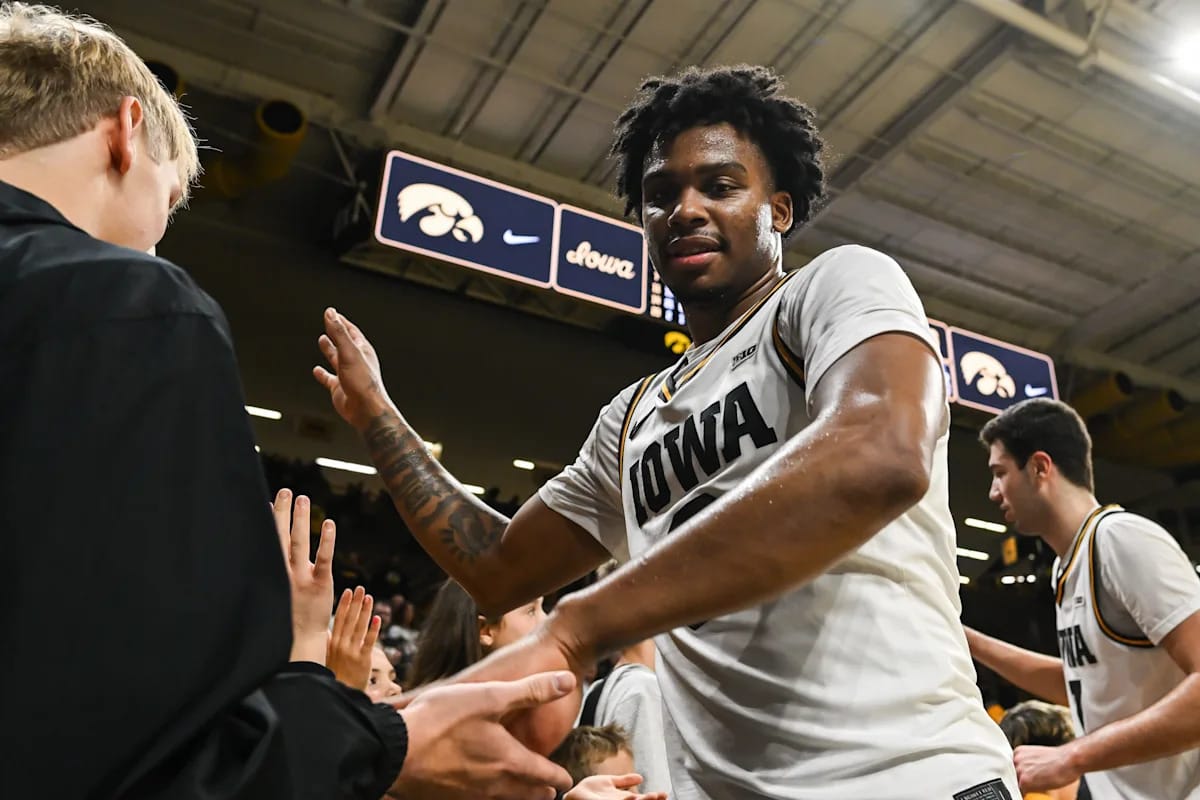
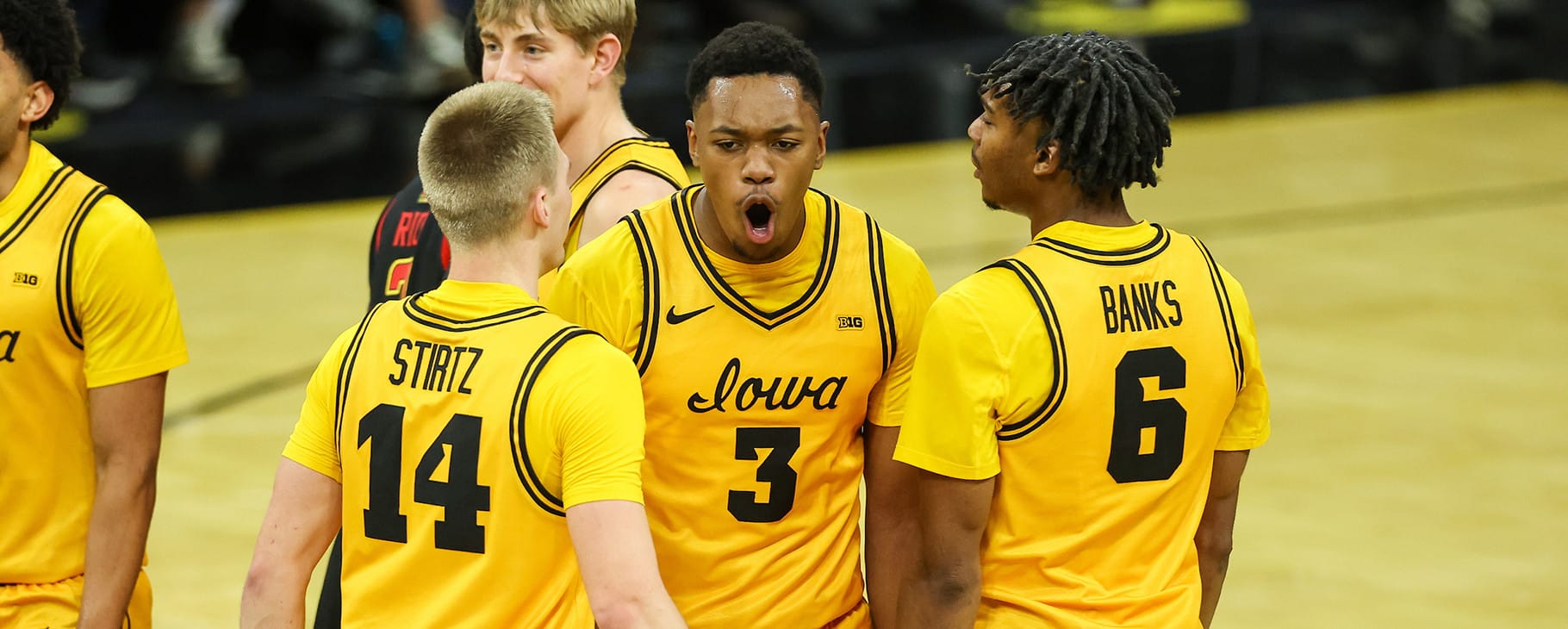
Set for Sunday, January 11, the game tips off at 11:05 a.m. Central Time from the iconic Carver-Hawkeye Arena. Fans across the nation can tune in to watch the action live on FOX, while local listeners can catch the call on the Hawkeye Radio Network. The Hawkeyes have declared a ‘Gold Out’ for the game, signaling a fervent home crowd dressed in team colors, ready to provide a formidable home-court advantage.
Both teams enter this pivotal contest with identical overall records of 12-3, underscoring their consistent performance throughout the season thus far. However, their conference records diverge slightly, with Illinois holding a 3-1 Big Ten mark compared to Iowa’s 2-2. This difference adds an extra layer of urgency for the Hawkeyes, who aim to even their conference record and gain ground in the highly competitive league.
Further compounding the narrative for Iowa is the status of a key starter, who has been listed as ‘questionable’ for the game due to injury. Such an announcement invariably introduces an element of uncertainty, potentially influencing game strategies and demanding adjustments from the coaching staff and remaining players. The absence or limited capacity of a crucial player can significantly alter team dynamics and provide an unexpected challenge for the home side.
Why This Matters: A Mid-Season Crucible
This Sunday’s clash is more than just another game on the schedule; it represents a significant barometer for both teams in the heart of their conference slate. In the fiercely competitive Big Ten, every victory is hard-earned, and a win against a ranked opponent on national television can provide a substantial boost to a team’s season trajectory and national perception.
For the Iowa Hawkeyes, defending their home court against a top-20 opponent is paramount, especially with a ‘Gold Out’ atmosphere designed to intimidate visitors. A victory would not only improve their Big Ten record to 3-2, pulling them level with many contenders, but it would also serve as a critical Quadrant 1 win for their NCAA Tournament resume, bolstering their strength of schedule and national ranking.
Conversely, for #16 Illinois, securing a road win against a ranked conference foe would further solidify their strong start in Big Ten play, pushing their record to an impressive 4-1. Road victories in the Big Ten are notoriously challenging to come by, and such a triumph would underscore their credentials as a legitimate contender for the regular-season conference title and a high seed in the NCAA Tournament.
The ‘questionable’ status of an Iowa starter introduces a compelling tactical dimension. Coaches must prepare for contingencies, adapting game plans to account for potential absences or reduced playing time. This situation often forces other players to step up, testing the depth of the roster and providing opportunities for emerging talents to make a significant impact under pressure. The outcome of such a scenario can be unpredictable, adding to the inherent drama of high-stakes college basketball.
Beyond individual team implications, this game embodies the intense rivalry and high-level competition characteristic of the Big Ten. These matchups are often physical, strategically complex, and emotionally charged, drawing significant attention from national sports media and basketball enthusiasts. The result will undoubtedly shape the narrative surrounding both programs as they navigate the remaining challenges of their conference schedule.
Broader Trends: The Pulse of College Basketball
This mid-season ranked showdown between Illinois and Iowa perfectly illustrates several overarching trends in contemporary college basketball. Firstly, it highlights the increasing premium placed on conference performance as a primary determinant for NCAA Tournament seeding. Teams are keenly aware that success within their league, particularly in power conferences like the Big Ten, directly impacts their path to March Madness.
The ‘Gold Out’ promotion by Iowa is indicative of the sophisticated marketing and fan engagement strategies employed by collegiate athletic departments. Creating a vibrant and unified game-day experience is crucial for leveraging home-court advantage, fostering community pride, and generating revenue. These events transform a simple game into a communal celebration, reinforcing the deep cultural roots of college sports in the United States.
Furthermore, the broadcasting of such a significant game on a major national network like FOX underscores the expanding reach and commercial value of college basketball. Network television exposure brings these regional rivalries to a national audience, boosting viewership, attracting sponsors, and elevating the profiles of both the universities and their student-athletes. This media presence is vital for the continued growth and financial health of collegiate athletics.
The transparency surrounding injury reports, detailing a ‘questionable’ starter, reflects a growing trend in sports journalism and fan consumption. Modern sports audiences demand access to information that might influence game outcomes, affecting everything from fantasy sports leagues to sports betting. This trend also brings into focus the intense physical demands placed on collegiate athletes and the constant management of player health by athletic staff.
Finally, the competitive balance within conferences like the Big Ten speaks to the evolving landscape of college basketball talent. With highly sought-after recruits distributing themselves more widely across various programs, fewer truly dominant teams exist season after season. Instead, a strong middle class of nationally ranked teams creates an environment where every conference game, especially those between ranked opponents, becomes a true battle for supremacy, often decided by the smallest margins.
Looking Ahead: Trajectories and Aspirations
The outcome of this Sunday’s contest between Illinois and Iowa will inevitably cast a long shadow over the immediate future for both programs. For the victorious side, it provides significant momentum, a critical conference win, and a boost in national rankings, potentially propelling them into the top tier of Big Ten title contenders. A win would fortify their NCAA Tournament resume, potentially improving their seed prospects and giving them confidence heading into the latter half of the season.
Conversely, the losing team will face the immediate challenge of regrouping and preventing a potential slide in the standings. While one loss is rarely season-defining, a defeat at home against a ranked conference opponent, particularly for Iowa with its ‘questionable’ starter, could necessitate a period of introspection and strategic recalibration. It would highlight areas needing improvement and underscore the importance of consistency in such a demanding league.
As the season progresses, both teams will continue to navigate the rigorous Big Ten schedule, which is replete with formidable opponents. The ability to perform consistently on the road, manage player fatigue, and adapt to injuries will be crucial factors in determining their ultimate success. The road to the NCAA Tournament is a marathon, not a sprint, and every game, particularly those against fellow ranked teams, serves as a vital learning experience and a test of resilience.
The performance of any player stepping up in the absence of an injured starter could also have lasting implications, potentially revealing new strengths or developing crucial depth for future contests. Such challenges often forge stronger teams, as collective responsibility and adaptability become paramount. Ultimately, this game is a crucial juncture, offering a glimpse into the resolve and championship aspirations of two of the Big Ten’s most compelling teams as they vie for dominance in one of college basketball’s premier conferences.