Contextual Analysis: The Clash for the Supercopa de España
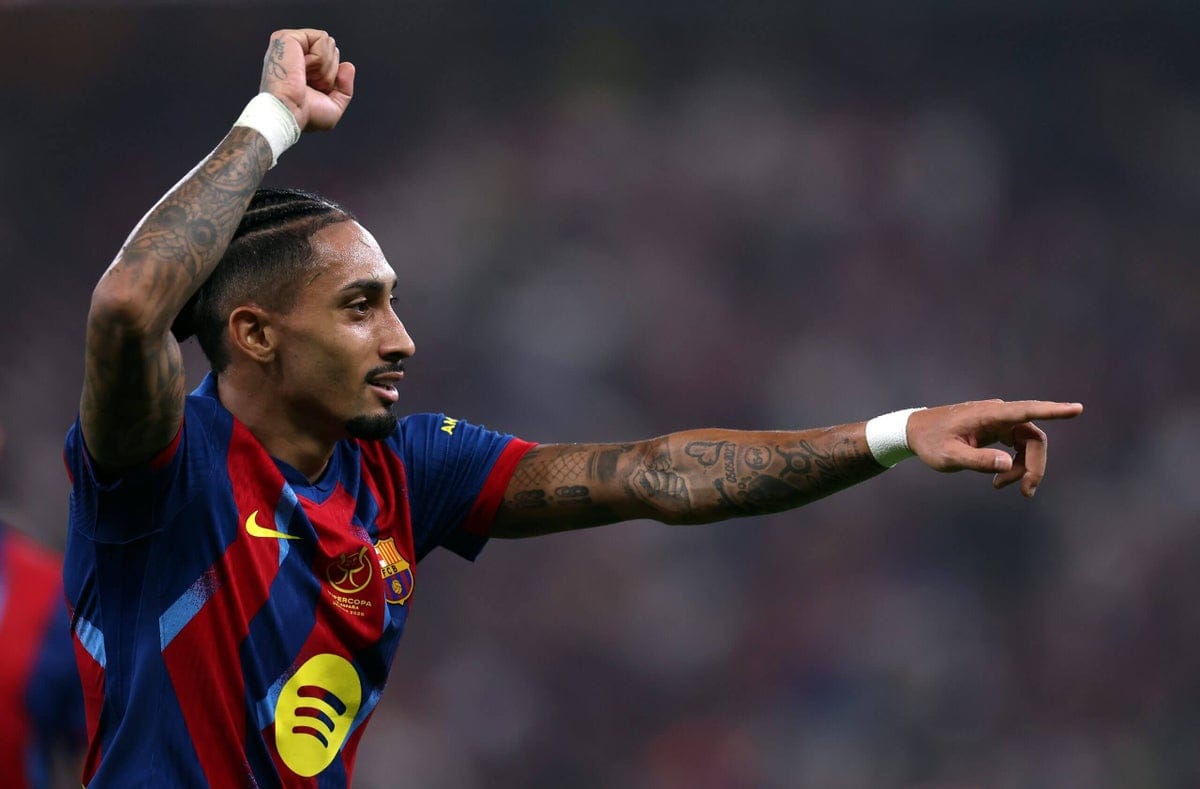
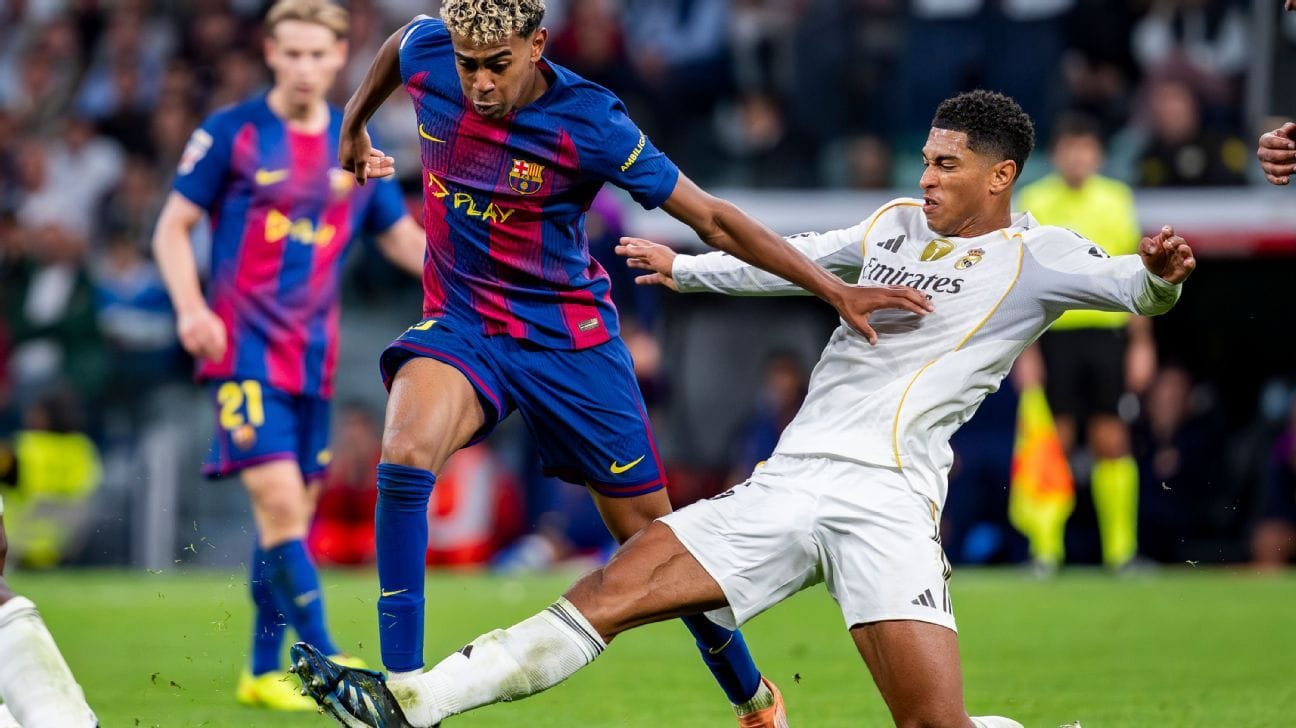
The global sports calendar brings one of football’s most significant rivalries to the forefront this weekend as FC Barcelona and Real Madrid compete in the final of the Spanish Supercopa. The encounter, often referred to as El Clásico, represents more than just a trophy; it serves as an early-season psychological barometer for both clubs.
Scheduled for Sunday, this pivotal match marks the second meeting between the two titans of Spanish football this season. The stage for this high-stakes contest is set far from Spain, at the King Abdullah Sports City in Jeddah, Saudi Arabia. The event, which determines the first domestic title of the campaign, highlights a trend of major European competitions moving to international venues for enhanced commercial and global reach.
For audiences in the United States, coverage of the final will be provided live by ABC and ESPN Deportes, ensuring broad access to the highly anticipated showdown. The decision to air the match on major network channels underscores the growing appeal of European football in the North American market, particularly for a rivalry of this magnitude.
Why This Matters: The Battle for Momentum
While the Spanish Supercopa may not carry the historical weight of La Liga or the UEFA Champions League, its timing and participants imbue it with significant importance. As the first available domestic trophy of the season, a victory here can provide a crucial psychological lift, establishing momentum for the second half of the season. Conversely, a loss can expose vulnerabilities and increase pressure on coaching staff and players alike.
The rivalry between FC Barcelona and Real Madrid transcends football itself, embodying historical, political, and cultural divisions within Spain. Every encounter between the two clubs, whether for a league match, a cup final, or an exhibition, captures global attention. A victory in the Supercopa final provides vital validation for a club’s current tactical approach and reinforces its dominance over its most formidable rival.
The Supercopa itself, traditionally viewed as a curtain-raiser, has gained new relevance in its current format. A win for either club here not only secures silverware but also provides a significant confidence boost that often translates into improved form in subsequent league and European fixtures. The implications extend beyond the current season; Supercopa victories often become footnotes in the larger narrative of which club holds greater supremacy during any given era.
Broader Trends: The Commercial Transformation of Football
The decision to hold the Spanish Supercopa final in Saudi Arabia is part of a broader, well-established trend in modern European football: the internationalization of domestic competitions. The input data notes that the Supercopa de España began in 1982 as a quick curtain-raiser between the La Liga champions and Copa del Rey winners, usually played over two legs. However, the tournament has since been reworked into a four-team, mid-season event, a strategic move designed to increase commercial revenue and global appeal.
This transformation reflects a shift from a purely sporting focus to a commercially driven model. Hosting the tournament in a different continent generates significant revenue for the Spanish Football Federation and participating clubs. While some purists have criticized the move away from traditional home-and-away formats, the financial incentives for clubs and the opportunities to expand brand presence in lucrative new markets have made this model increasingly popular.
The move to Saudi Arabia mirrors similar initiatives by other European leagues, such as the Italian Super Cup, which has also been held in various international locations over the years. This strategy is primarily aimed at maximizing television rights and sponsorship deals, leveraging the global appeal of top European clubs. The specific location selection in Jeddah for this final underscores the commercial value placed on showcasing these teams to new audiences.
Another significant trend highlighted by the US broadcast details is the growing focus on the North American market. The presence of ABC and ESPN Deportes on the broadcast schedule for this specific event demonstrates a strategic effort by La Liga and its partners to solidify and expand their foothold in the United States. The timing of the match, Sunday at 2 p.m. ET, is optimized for peak viewing times on the East Coast, further emphasizing the importance of this market. This focus on US viewership aligns with recent efforts by major European leagues to increase fan engagement and media partnerships across the Atlantic.
A Look Ahead: Potential Impact on the Season
As the first domestic trophy available, the outcome of the Supercopa de España final can significantly shape the narrative of the season for both FC Barcelona and Real Madrid. For the winning team, it validates a positive start to the campaign and provides tangible silverware that can fuel confidence. For the losing team, it adds pressure and can highlight areas where improvement is necessary before the crucial latter stages of La Liga and European competitions.
Looking ahead, the victor will carry momentum into the upcoming league fixtures and potentially into the knockout stages of the Champions League. The Supercopa final, therefore, serves as more than just an isolated event; it acts as a critical inflection point in the season’s storyline. It represents a chance to claim bragging rights over a fierce rival and to demonstrate resilience under pressure in a high-stakes setting. The results will be analyzed intensely by sports media and analysts, influencing predictions and expectations for the remainder of the campaign.