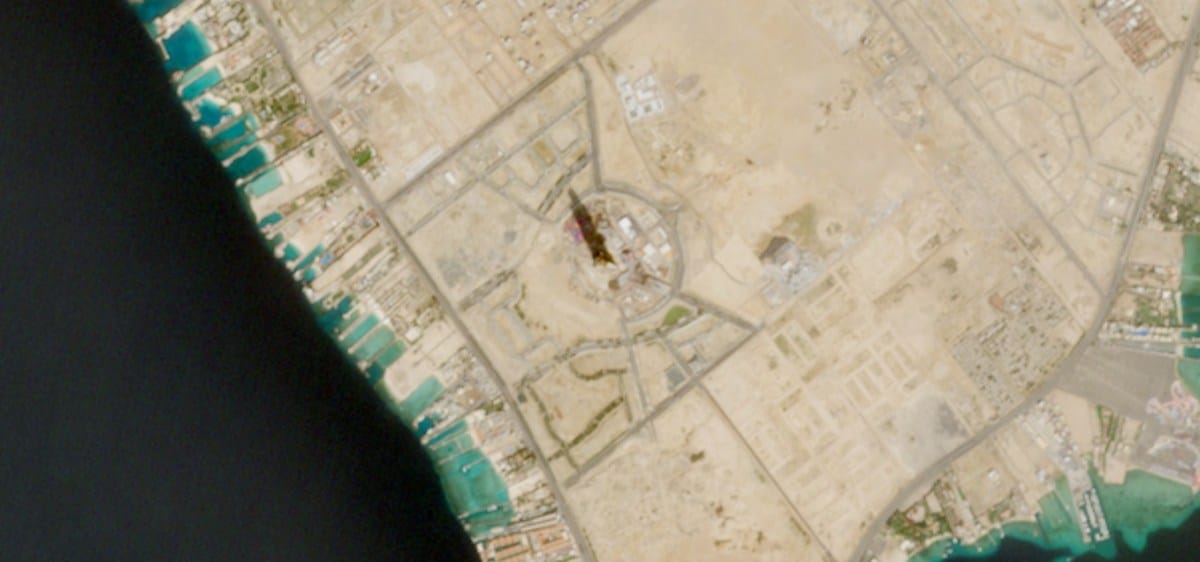
CONTEXTUAL ANALYSIS: A New Contender Rises in Global Skyline Race
The architectural world is watching closely as Saudi Arabia’s Jeddah Tower has hit a significant construction benchmark, officially surpassing 80 constructed floors. This milestone signals a decisive push to reclaim the global record for the world’s tallest building, a title currently held by the UAE’s Burj Khalifa in Dubai.
The development, long anticipated by engineers and urban planners, means the long-anticipated 1-kilometer structure is visibly climbing higher. While the exact current height is not specified beyond the 80-floor metric, this quantitative achievement confirms that work has successfully resumed on the ambitious project, putting pressure on existing supertall landmarks.
Why This Matters: The Symbolism of Supertall Structures
The construction of structures exceeding 800 meters—often termed ‘megatall’—is about far more than mere height; it is a potent symbol of national ambition, economic diversification, and technological prowess. For Saudi Arabia, the Jeddah Tower is central to its Vision 2030 plan, intended to diversify the economy away from oil reliance.
The project represents a massive commitment of capital and engineering expertise. Successfully completing a tower designed to reach a kilometer into the sky tests the absolute limits of modern materials science, foundation engineering, and vertical transportation systems. This is a high-stakes global contest waged in concrete and steel.
The End of an Era for the Burj Khalifa
For over a decade, the Burj Khalifa has stood unchallenged as the pinnacle of architectural achievement. The Jeddah Tower, when completed, is projected to stand significantly taller, likely exceeding 1,000 meters. This potential dethroning is not just a footnote in a record book; it shifts the focus of global architectural prestige.
The competition between the two Gulf neighbors—the UAE and Saudi Arabia—in demonstrating supremacy through massive infrastructure projects has been a defining feature of the region’s modern history. The Jeddah Tower’s progress indicates a renewed, determined effort by Riyadh to take that prominent spot on the world stage.
Engineering Feats and Logistical Hurdles
Surpassing 80 floors presents unique engineering challenges. As the tower rises, wind loads increase dramatically, requiring sophisticated aerodynamic shaping and dampening systems. Furthermore, pumping concrete to these extreme heights demands specialized, high-pressure equipment and meticulous logistical planning.
The initial reports surrounding the project had indicated construction halts. The latest update, confirming the successful topping of the 80th floor, strongly suggests that these logistical and financial obstacles have been addressed, allowing the vertical construction race to accelerate once more. This phase demands sustained commitment over several more years of intensive work.
Broader Trends: Vertical Cities and Urban Density
The global trend toward supertall skyscrapers is reflective of accelerating urbanization and the demand for high-density, iconic central business districts. These towers become powerful anchors for mixed-use developments, driving real estate values and attracting international business and tourism.
The Jeddah Economic City project, of which the tower is the centerpiece, aims to create an entirely new urban hub from scratch. The success of the tower is intrinsically linked to the viability and eventual success of this massive urban undertaking, making every milestone critical for investor confidence.
Looking Ahead: The Race to the Sky Continues
With 80 floors now complete, the Jeddah Tower project has shifted from a concept into a near-certainty of completion. The focus will now shift to the subsequent challenges: breaching the 100-floor mark, stabilizing the spire section, and installing the complex external façade and internal systems.
The world’s engineers and architects will be keenly observing the methods employed to tackle the remaining 200 to 300 meters of height. While the Burj Khalifa reigned supreme for a considerable period, the Saudi project’s momentum suggests its reign may soon be over, ushering in a new era of kilometer-high architecture.
The timeline for completion remains a key variable. However, based on this confirmed progress past the 80-floor benchmark, industry observers anticipate that the final structural topping out could occur within the next few years, setting the stage for the final cladding and official inauguration.