CONTEXTUAL ANALYSIS: The Weight of History in a Major Sports Market
For any professional sports franchise, the pursuit of a championship, or at least consistent contention in the playoffs, represents the ultimate benchmark of success. Beyond the immediate glory, deep playoff runs translate into tangible economic benefits, enhanced brand value, and an invigorated fanbase. It is within this high-stakes environment that the narrative of the Chicago Bears takes on particular significance, as the team grapples with a prolonged period without a playoff victory.
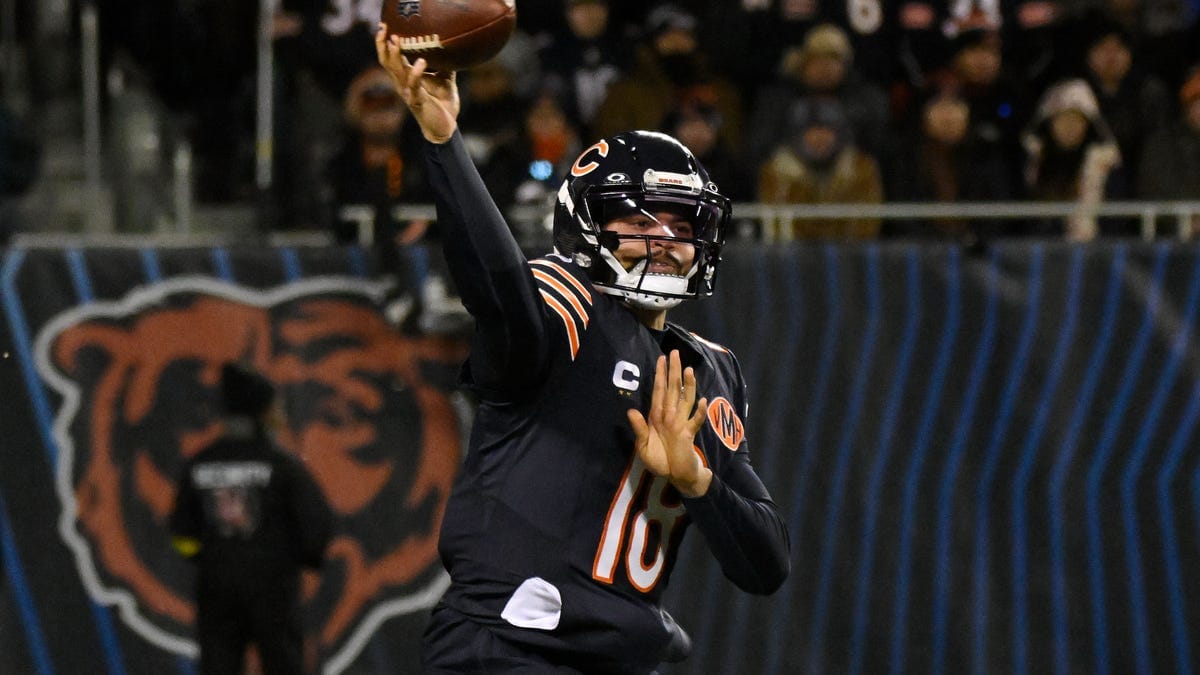
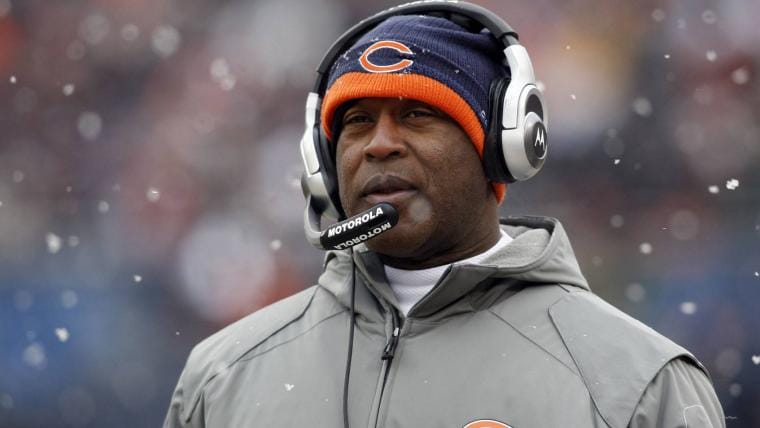
The last time the Chicago Bears secured a win in the NFL playoffs was during the 2010 season, specifically a divisional-round triumph over the Seattle Seahawks. This historical marker, highlighted in recent sports commentary, underscores a significant drought for a team steeped in NFL tradition and based in one of America’s most passionate sports cities. The forthcoming opportunity for the Bears to potentially alter this narrative on Saturday night at Soldier Field, as noted by sources, only amplifies the anticipation and the weight of history.
Why This Matters: Economic and Cultural Ripple Effects
The performance of a major sports team like the Chicago Bears extends far beyond the confines of the football field. An extended absence from playoff contention, such as the period since their 2010 divisional win, creates discernible ripples across the local economy, the team’s brand perception, and the enduring loyalty of its fan base.
From an economic standpoint, consistent playoff participation injects considerable revenue into a city. Home playoff games mean increased ticket sales, higher merchandise demand, and a surge in spending at local businesses, including restaurants, bars, and hotels. The absence of these events represents lost opportunities for economic stimulus, impacting a broad spectrum of local enterprises that thrive on game-day activity and the buzz of a winning team.
Beyond the immediate financial gains, sustained success, particularly in the playoffs, significantly bolsters a team’s brand value. A winning tradition attracts greater media attention, both locally and nationally, leading to higher viewership figures and more lucrative sponsorship deals. Conversely, a lengthy playoff drought can diminish national relevance, making it challenging to cultivate new fan demographics and maintain momentum in a highly competitive sports entertainment landscape.
Culturally, the Bears are more than just a football team; they are an integral part of Chicago’s identity. Generations of fans have grown up with the team, passing down allegiances and traditions. A prolonged period without playoff success tests the patience and resilience of this loyal base. While core fans remain steadfast, repeated disappointments can impact broader civic pride and make it harder to inspire newer generations of fans, potentially eroding a vital connection between the team and its community over time.
Connecting to Broader Trends in Professional Sports
The Chicago Bears’ situation, while specific to their franchise history, mirrors broader trends and challenges observed across professional sports leagues, particularly in the NFL. The league’s structure, with its salary cap and annual draft, is designed to promote competitive balance, yet some franchises consistently find pathways to success while others endure lengthy periods of rebuilding.
This dynamic highlights the intricate balance between strategic management, scouting effectiveness, coaching stability, and a degree of fortune. Teams that master this combination tend to build sustainable winning cultures, leading to repeated playoff appearances and the associated financial and brand rewards. Those that struggle to find this equilibrium often face the kind of prolonged drought exemplified by the Bears since 2010.
The modern sports landscape also places immense pressure on franchises to deliver results quickly. With unprecedented access to information and instant reactions via social media, fan expectations are higher than ever. Ownership groups are constantly under scrutiny to make aggressive moves, whether through high-profile free agent signings, coaching changes, or blockbuster trades, all in the quest for immediate improvement and a return to playoff contention. This relentless cycle means that patience, once a virtue, is now a luxury few teams or fan bases can afford.
Furthermore, the ‘business of winning’ has never been more evident. Beyond the gate receipts, a successful NFL team is a media powerhouse, generating massive revenue through broadcast rights, merchandising, and corporate partnerships. Playoff success amplifies this effect exponentially, creating a virtuous cycle where winning fuels financial growth, which in turn can be reinvested into talent acquisition and development, further strengthening the team.
Looking Ahead: The Path to Playoff Contention and Beyond
For franchises like the Chicago Bears navigating a significant playoff drought, the path forward is multifaceted, requiring a sustained commitment to strategic planning and execution. It involves making shrewd decisions in the NFL Draft, identifying and developing talent, and investing wisely in free agency to address critical roster gaps. Coaching stability and the development of a coherent team philosophy are equally vital.
The experiences of other teams that have emerged from similar periods of underperformance offer valuable lessons: success rarely comes overnight but is often the culmination of several years of disciplined effort. It requires resilience from the organization, unwavering support from the ownership, and perhaps most importantly, continued belief from the fan base.
The ultimate goal, beyond a single playoff win, is to build a franchise that is consistently competitive, capable of making deep runs year after year. Such an achievement not only rewards the loyal supporters but also solidifies the team’s place in the broader sports narrative, enhances its long-term financial viability, and contributes positively to the civic identity of its home city. For the Chicago Bears, the journey from their 2010 playoff victory continues, with every new season carrying the hopes of breaking a historical pattern and forging a new legacy of sustained success.
“When did the Bears last win an NFL playoff game?” — Cory Woodroof for For The Win, Jan. 10, 2026
“Last time Bears won a playoff game: Revisiting Chicago’s 2010 divisional win over Seahawks”