The Wild Card Is a Symptom, Not a Cure
Let’s not pretend this Wild Card weekend is a celebration of true competition. It’s nothing more than a carefully orchestrated extension of the NFL’s massive corporate machine, a two-day television event designed to wring every last advertising dollar out of a product that’s becoming increasingly bland and predictable. We’re told we’re seeing the “best of the best” when, in reality, we’re watching a collection of mediocre teams that barely scraped by (and in some cases, truly didn’t deserve to be there at all), all playing a role in a script that has already been mostly written for Super Bowl 60. The league expanded this wild-card round not because it truly believed in giving a larger share of teams a shot at glory, but because adding two more playoff games means two more massive television windows, two more opportunities for a captive audience to be bombarded with ads for pickup trucks and beer, all while convincing us that this extra layer of mediocrity somehow enhances the competitive balance of a league designed to protect its chosen stars. It’s a sham. Pure garbage.
Q: Is the new 14-team format really making the playoffs better, or just longer?
Look, the spineless suits who run this league want you to believe that expanding the field to 14 teams somehow injects more excitement. They talk about parity and giving more markets a chance, but it’s all just a smokescreen. The reality is that the new format dilutes the quality of the product. When you have teams making the playoffs with losing records (or barely above .500, which is functionally the same thing) while true contenders are forced to play an extra game, it cheapens the entire process. The first round used to be reserved for true wild-card teams that had to fight tooth and nail to get there; now it’s just a way for the league to ensure every major market team gets a chance to sell a few extra jerseys and fill a stadium for one final home game, regardless of whether they have a realistic path to the championship or not. The NFL doesn’t care about a good game; it cares about a good ratings story. The entire setup is designed to create manufactured drama around teams that, frankly, shouldn’t be here in the first place. You can see it in the matchups; they’re rarely compelling; they’re just… there. It’s a symptom of a league more focused on maximizing revenue than preserving competitive integrity. The expansion is a cynical move, plain and simple, designed to make more money off a slightly weaker product.
Q: What’s the real story behind the Panthers (Bryce Young) and Rams matchups in the Wild Card?
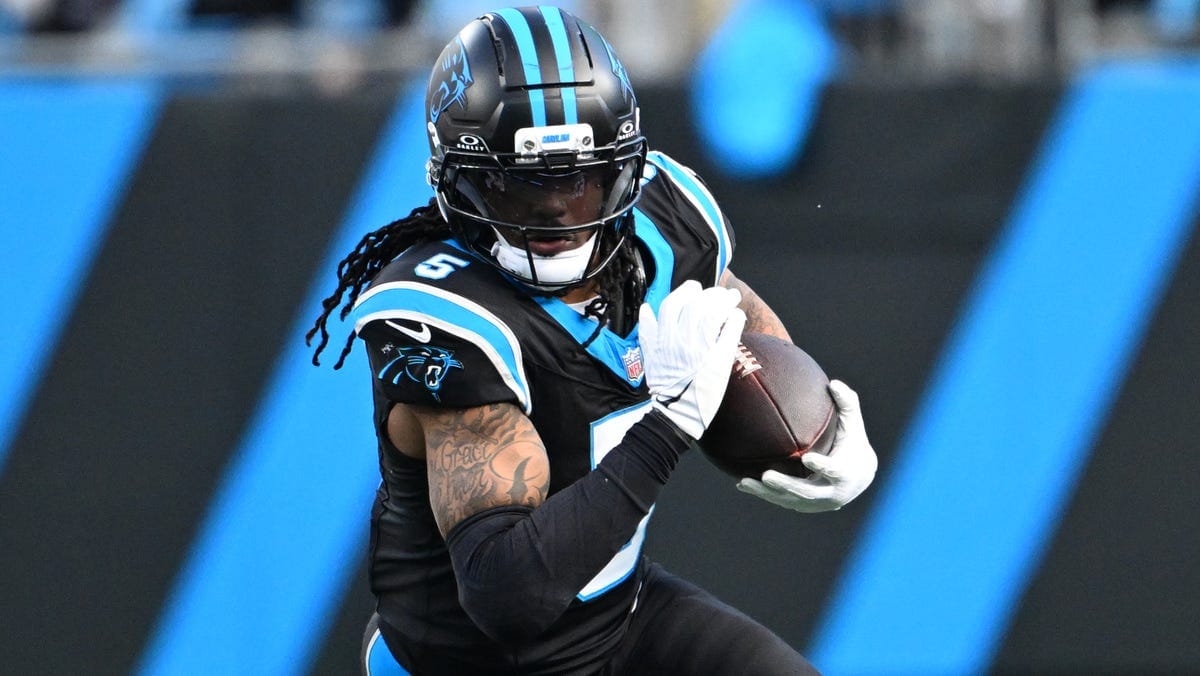
Let’s look at the teams in this particular wild-card round. We hear talk about the Panthers and their young quarterback, Bryce Young (mentioned in the input data). The narrative for a team like the Panthers, assuming they’ve made it in this scenario, is often one of a struggling franchise finally finding its footing. But let’s be realistic: in this league’s current structure, a team like the Panthers making the playoffs usually means they’re fodder for a stronger, more established team. Young’s journey is less about a true Cinderella run and more about providing a compelling, yet ultimately doomed, storyline for the national broadcast. The NFL loves a good ‘young QB redemption’ story, especially if it involves a high draft pick, because it sells hope, even when that hope is completely unfounded against the juggernauts in the AFC or NFC. The league needs a villain and a hero in every game. The Rams, on the other hand (also mentioned in the input), represent the opposite side of the spectrum—the established, large-market team that always seems to find its way back into the limelight. The media loves to focus on Matthew Stafford and the legacy of these veteran players, creating a sense of inevitability around their success. This is a common pattern in the NFL: prop up the big markets (LA, Dallas, New York) and give them prime-time slots, even if other teams are more deserving, because they guarantee higher ratings. The Wild Card round is where these narratives are created and (more often than not) quickly extinguished, clearing the way for the true contenders who were destined to advance all along. It’s a total crapshoot for the fans, but a high-stakes business move for the league.
Q: Is the NFL actually competitive anymore, or just a closed loop of dynasties?
This is the big question, isn’t it? The NFL likes to sell us on the idea of competitive parity, claiming the salary cap ensures any team can win any given year. This is a myth. The cap does stop truly terrible contracts from destroying a team completely, but it doesn’t prevent the rise of dynasties. In fact, it might even enable them by allowing certain teams (like the Chiefs, for example) to manage their money better and keep key players together for years. The league’s structure, with its focus on quarterbacks, guarantees that if you have a top-tier quarterback on a non-max contract (or a quarterback on a contract that allows the team flexibility elsewhere), you have a massive advantage over everyone else. The Wild Card round, with its 14-team format, just gives us more opportunities to see the gap between the haves and the have-nots. The teams that actually win Super Bowls are almost always the ones with elite quarterbacks (Patrick Mahomes, Tom Brady, etc.) who have proven they can consistently win in pressure situations. The Wild Card teams, meanwhile, are often led by mid-tier QBs who are simply there to fill out the bracket. The whole thing feels less like a competition and more like a high-stakes poker game where the same few players keep stacking chips while everyone else just loses their shirts. The NFL wants its dynasties because dynasties sell global merchandise, create long-lasting fan engagement, and provide a familiar face for brand partnerships. They’re good for business, and competitive balance (which would require a different team winning every year) is actually bad for long-term branding. They want their heroes, their villains, and a predictable path to the grand finale.
Q: What’s the prediction for Super Bowl 60? Is it already decided?
Let’s not kid ourselves; the road to Super Bowl 60, like nearly every Super Bowl in the modern era, is probably going through a familiar place. The Wild Card round is just noise on the path to inevitable outcomes. The NFL has its darlings, and it has its predetermined narratives. While upsets happen from time to time in the Wild Card (and they are often used to justify the new format as truly exciting), the path to Super Bowl glory rarely changes. The most likely outcome, year after year, involves one or two teams that have consistently dominated the league for years. Whether it’s the Chiefs or another pre-established powerhouse, the league generally gets the Super Bowl matchup it wants (or at least, the one that guarantees maximum ratings). The Wild Card round is where the dreams of lesser teams go to die. The fact that we even have to watch these extra games (involving teams that often have no realistic chance) before getting to the *actual* contenders just proves how much of a cynical business strategy this all is. The league isn’t looking for a surprise winner; it’s looking for a predictable, high-profile matchup in February. Don’t waste your time getting emotionally invested in the Wild Card round; it’s just a distraction from the inevitable. It’s a manufactured spectacle designed to make you think you’re watching a genuine competition when you’re really just watching a commercial for next year’s year’s high-profile game. The NFL is a closed shop, and the Wild Card round is just the velvet rope keeping the real party separate from the gate crashers. They pretend it’s fair; it’s not. The league wants its money, and this wild-card format delivers. The extra games provide. This entire expansion is a testament to the fact that the NFL values profit over quality. It’s a sad state of affairs for anyone who remembers when the playoffs were actually meaningful from a limited pool of truly elite teams. Now, it’s just a bloated schedule designed to maximize television revenue, and we, the fans, are expected to pretend that this manufactured drama is somehow meaningful. The playoffs used to be a privilege reserved for the best; now they’re a right for a certain percentage of the league, regardless of record. It’s a disgrace.