The Charade of Controlled Emotion: When the Mask Slips
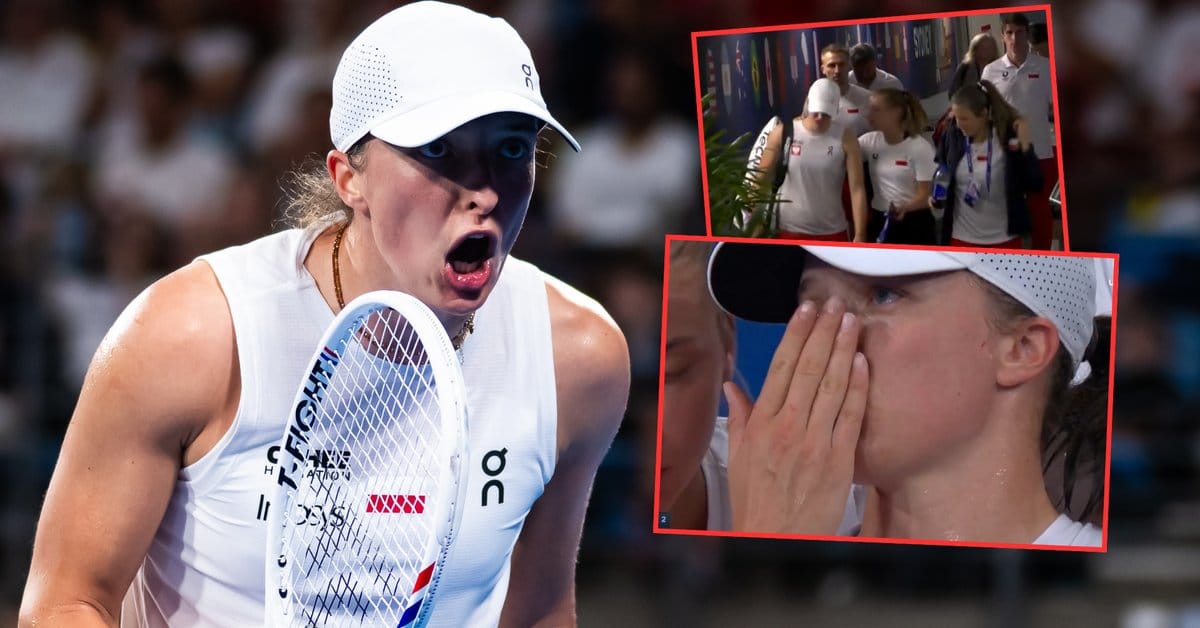
Look, let’s not mince words. We saw Iga Świątek, the supposed iron lady of tennis, absolutely dissolve into tears after that agonizing 0-2 finish. And the media scrambles, right? They frame it as ‘waiting a year’ for revenge, or the sheer ‘pain’ of defeat. Pain? It’s a tennis match, not a root canal! This manufactured narrative of suffering is getting old, people. It’s a performance designed to make us feel sorry for the golden goose so we keep tuning in when she inevitably bounces back next Tuesday.
Why did she cry? Seriously, ask yourself that for a minute. Is it because she let down Hubert Hurkacz? Maybe a little, sure. But the real reason is the systemic rot that demands these athletes be unfeeling robots until the exact moment they’re supposed to be inspirational underdogs. They build them up, they load them with sponsorship obligations that likely tie directly to their win/loss ratio, and then they act shocked when the human spirit actually *breaks* under the weight of expectation.
The United Cup: A Meaningless Exhibition Masquerading as War
The United Cup. What a joke. A mid-season, mixed-gender exhibition designed purely to inject some filler content before the real Grand Slams hit. And yet, because it features Poland against the USA—a rematch of some vaguely remembered final—suddenly it’s the crucible of national pride. We’re talking about a tournament where the stakes are essentially bragging rights and better seeding in the next non-essential tournament.
And what happens when the pressure cooker—falsely labeled as ‘excitement’—gets too hot? The star cracks. We’re supposed to applaud the authenticity of the tears, but I see it as a fundamental failure of the management structure around her. Who is protecting her from this relentless churn?
Hubert Hurkacz, bless his stoic heart, is probably just trying to figure out how to pivot the narrative away from his partner’s breakdown so he can get his own press hits about his forehand. It’s a circus, a constant, draining circus. They talk about her qualifying run, how the Poles are ‘sailing through’ this tournament. Sailing through what? Beating Germany 3-0? Netherlands? Spare me the hyperbolic sports writing. That’s just warm-up material for the real fight, which apparently requires weeping afterward.
The Tyranny of Being Number One
When you are Iga Świątek, you carry the hopes of an entire nation—and a significant chunk of the global betting market—on your shoulders every single time you step onto the court. This isn’t the 1990s where a few million dollars secured your retirement. Modern endorsements demand constant visibility and flawless execution. If you take a week off, somebody else grabs your market share. It’s predatory capitalism wrapped up in shiny racket strings.
She waited a year for this specific confrontation with the USA, the narrative suggests. Why? Because media cycles demand linear revenge stories. They need history to justify the present pain. This obsession with ‘rematches’ and ‘paybacks’ forces athletes to invest emotional energy into past slights rather than focusing purely on biomechanics and strategy for the match at hand. It’s exhausting just reading about it, let alone living it.
And what about the captain who commented on her supposed ‘withdrawal’ or ‘rest’? That’s code, isn’t it? It’s damage control. It’s damage control for the image, not for the athlete’s mental health. They manage perceptions like they are managing a volatile stock portfolio. Did the captain really care, or was he just trying to spin the inevitable news cycle about the star player melting down?
The Audience: Complicit in the Cruelty
We, the audience, are the worst offenders. We demand vulnerability only when it serves our storyline. If she showed no emotion, she’d be branded cold, robotic, unlikable. If she cries, she’s ‘too sensitive’ or ‘not mentally tough enough.’ Damned if you do, damned if you don’t. We want the grit, but we swoon over the soft spots. It’s sick, frankly. It’s the modern version of paying for bread and circuses, except the gladiator is wearing designer athletic wear and crying about missing a backhand.
Think about the sheer volume of tennis played globally. Every week, somewhere, someone is fighting for survival in a qualifying round. But no, we zoom in on the supposed queen, the one who *shouldn’t* ever falter, and when she does, we treat it like a Greek tragedy. Where is the respect for the grind that got her to the point where *losing* 0-2 in an early-season team event becomes front-page news?
This isn’t sustainable. We are watching a mental breakdown happen in slow motion, televised globally, fueled by expectations set by agents, sponsors, and fans who forget that between those four white lines, she’s just a very highly paid human being.
Where Do We Go From Here? A Prediction of Further Burnout
You think this one crying session solves anything? Hardly. It sets a dangerous precedent. Now, every loss, every slight dip in form, will be analyzed through the lens of this emotional vulnerability. Opponents will smell blood, not necessarily strategically, but psychologically. They’ll think, ‘Ah, the machine has gears that slip.’ And the media? They’ll start looking for the next crack.
The relentless nature of the tour means there is no time for real recovery. They play the exhibition, they fly across continents, they adjust to different humidity, different courts, different time zones. And when the body aches, the mind follows. The sponsors don’t care about jet lag; they care about eyeballs on the logo in Paris or New York.
Poland got through against Australia 2-1, apparently thanks to the mixed doubles deciding it all. Great. More drama. More manufactured suspense about who plays who in the mixed. Who cares about the mixed doubles narrative when the single biggest draw of the team is showing visible, televised distress?
The real story isn’t the scoreline. It never is. The real story is the look on her face and the questions it forces us to confront about professional sports in this hyper-connected, hyper-scrutinized era. We demand gladiators. We get people. And when the people bleed, we tweet about it until the next match starts. It’s a vicious cycle, and honestly, I’m tired of watching the same old tragedy get repackaged every season. When will the public demand better stewardship for these athletes? When they stop winning? Probably then.
Let’s face it, this whole United Cup performance feels like background noise compared to the looming threat of another Grand Slam where the pressure will be exponentially higher. If she buckles here, over what is essentially an exhibition, what happens when the stakes involve actual legacy defining moments? It’s a grim outlook for anyone expecting a return to effortless dominance anytime soon. The foundation is shaking, people. Wake up and see the tremor!
This isn’t about tennis skill anymore. This is about survival in the attention economy. Can she survive the camera? Can she survive the silence between points? That’s the real match we are all watching, and yesterday, she lost that round decisively. And the fact that the coverage centers on who she plays next in this meaningless exhibition—USA—just shows how tone-deaf the sports machinery truly is. They’re already booking the seats for the next show, ignoring the fact that the main attraction just needed a moment to breathe. Unbelievable complacency!