The Concrete Jungle of the Pine Belt
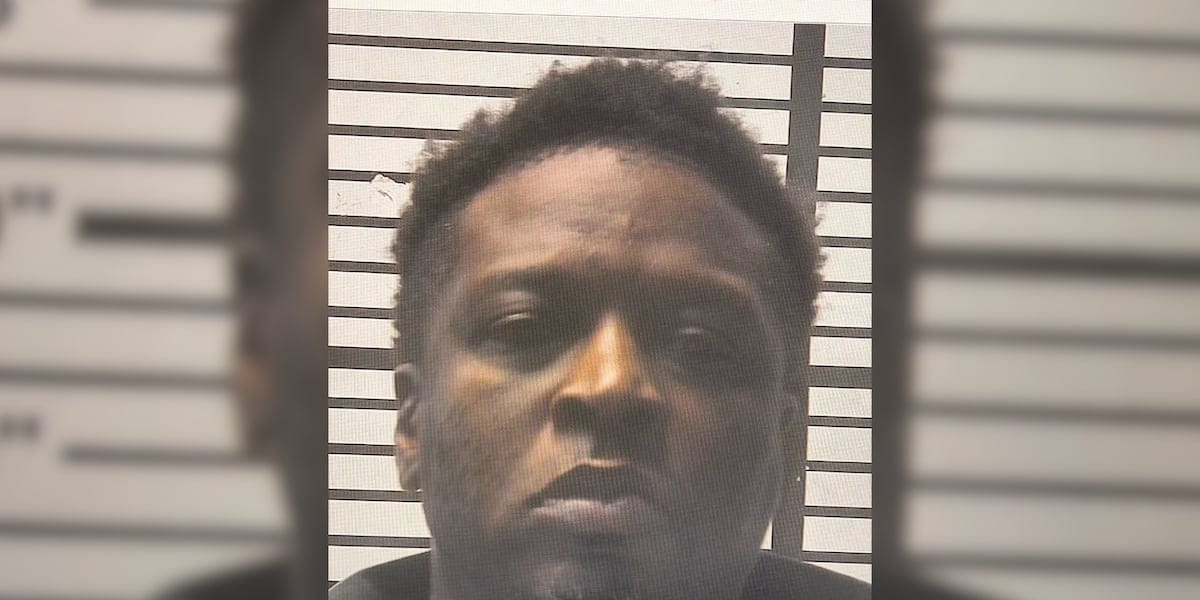
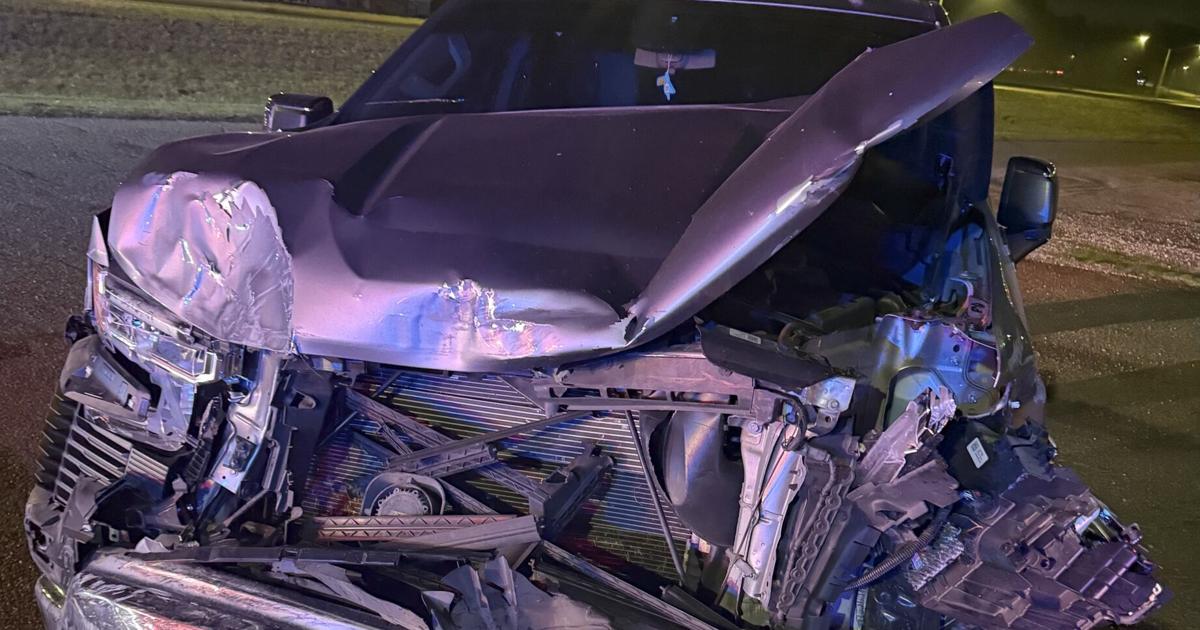
You wake up in the morning and you think you live in a civilized society, but then you read about a man dragging a Jones County Sheriff’s Office deputy nearly 40 feet across the pavement of a convenience store parking lot like he was nothing more than a discarded piece of trash. Why do we act surprised when the thin veneer of order peels back to reveal the rotting wood beneath? This wasn’t just a traffic stop that went south, it was a manifestation of the absolute lawlessness that has begun to seep into every corner of the rural South. We are talking about Eastbuchie, a place where Mak’s convenience store became the stage for a high-speed drama that stretched across three separate counties. Three. Imagine the resources wasted, the lives put at risk, and the pure, unadulterated fear of every minivan driver just trying to get home while a drug suspect treats the public highway like a personal escape route. It is a joke. A sick, twisted joke played on the taxpayers who fund the very roads these criminals use to flee the consequences of their own choices.
The deputy was dragged 40 feet. Forty feet of skin against asphalt because someone decided that a drug charge was worse than potentially murdering a public servant in cold blood. Does that sound like a functioning society to you? It sounds like a war zone. When we talk about the Pine Belt, we aren’t just talking about trees and quiet towns; we are talking about a corridor of chaos where the law is often viewed as a minor inconvenience to be outrun. The suspect didn’t just resist; he weaponized his vehicle. He turned a ton of steel into a tool of execution. He didn’t care. Not one bit. And why should he? We live in an era where the system is a revolving door and the criminals know the hinges are well-oiled. They know the risks, and they’ve done the math. They figure a chase is a better gamble than a jail cell. Are they wrong? If you can drag a man of the law 40 feet and still expect a fair trial, maybe the gamble isn’t as risky as we want to believe. It is a calculation born of desperation and a complete lack of moral fiber. This is the reality of the modern chase. It is loud, it is violent, and it is entirely predictable.
The Multi-County Chaos and the Failure of Deterrence
Let’s look at the logistics of this madness because it isn’t just one county’s problem. Jones, Covington, and then into Collins. The suspect led deputies on a tour of Mississippi’s finest rural infrastructure, likely at speeds that would make a NASCAR driver sweat, all while the clock was ticking toward a disaster that luckily didn’t happen this time. But what about next time? How many more miles of asphalt must be stained with the blood of bystanders or officers before we admit that our current method of deterrence is failing? We have high-speed chases through three counties and we think that putting a man in handcuffs at the end of it is a victory. It isn’t a victory; it is a miracle that no one died. The suspect is now facing a litany of charges, but will they stick? Or will we see him back at another convenience store in six months, ready to do it all over again because the thrill of the escape is the only thing he has left to live for? The justice system is a lumbering beast, slow to react and often blind to the reality of the streets. It treats these incidents as isolated anomalies rather than part of a growing trend of violent non-compliance. We are losing the deterrent factor. The siren used to mean stop. Now, the siren means ‘floor it.’ Is that the world we want to live in? Is that the safety we were promised? The reality is that the Pine Belt has become a playground for the reckless.
The suspect was a drug suspect. Of course he was. We can’t have a high-speed chase these days without the specter of the drug trade looming in the background like a dark cloud over the horizon. It’s the same old story told with different actors. The drugs fuel the desperation, the desperation fuels the flight, and the flight fuels the violence. We are chasing our own tails in a circle that never ends. We spend millions on enforcement, millions on incarceration, and yet the convenience store parking lots are still the staging grounds for attempted murder. Why? Because the root of the problem is ignored while we focus on the spectacular nature of the chase. We love the drama. We love the high-speed footage. We treat it like entertainment until it’s our deputy being dragged 40 feet. Then we cry for justice. But justice is a fickle thing in a system that is spread too thin to actually hold anyone accountable for more than a few years. We are witnessing the slow-motion collapse of rural order. It’s not a sudden explosion; it’s a grinding, dragging sound—the sound of a deputy’s boots on the pavement at Mak’s in Eastbuchie.
The Future of the Fugitive in the American South
Predicting what happens next isn’t hard if you’ve been paying attention to the trajectory of crime in the deep South over the last decade. This suspect will be processed, his litany of charges will be read, and he will become another statistic in a database that no one reads. The deputy will hopefully recover, though the trauma of being dragged by a car isn’t something that just washes off with a shower and a few days of light duty. But the cycle will continue. Another man, another car, another three counties. Maybe next time it will be four counties. Maybe next time the car will flip into a school bus. We are playing a game of Russian Roulette with public safety and we are acting like we don’t know there’s a bullet in the chamber. What is the solution? Is it harsher penalties? Is it a change in pursuit policy? Is it an end to the drug war that creates these desperate fugitives in the first place? Nobody wants to answer those questions because the answers are expensive and uncomfortable. It is easier to just report the arrest and move on to the next headline. But the Cynical Investigator sees the pattern. The pattern is one of escalating defiance. The suspect didn’t just flee; he attacked. That is a shift. That is an evolution of the criminal element that should terrify anyone who values the rule of law. We are moving toward a period where the badge is no longer a shield, but a target. And if we don’t recognize that now, we are going to be doing a lot more reporting on deputies being dragged through the dirt.
The suspect was finally caught near Collins. A quiet town, usually. But for a moment, it was the finish line of a race that shouldn’t have been run. The Jones County Sheriff’s Office showed restraint, likely more than the suspect deserved, to bring him in alive after such a blatant attempt on one of their own. But at what cost? The psychological toll on the force, the risk to the public, the sheer cost of the pursuit—all of it adds up to a debt that the suspect can never pay back. He has no equity. He has no future. He only has the next hit and the next escape. This is the human debris left behind by a society that has lost its way. We talk about ‘Pine Belt Strong,’ but how strong can we be when the very roads we travel are being used as weapons against us? It is time to stop looking at these chases as ‘news’ and start looking at them as symptoms of a terminal illness in the American heartland. If you aren’t angry, you aren’t paying attention. If you aren’t cynical, you are delusional. The man arrested in Collins is just one face of a much larger monster that is currently tearing through the fabric of our communities. And he isn’t the only one with his foot on the gas. This is the manifesto of a broken system. This is the reality of the high-speed chase across the Pine Belt. It is a story of dragging, driving, and a desperate lack of consequences. We are all just passengers in this car now, and the guy behind the wheel doesn’t care if we crash.