The Panic Alarmist: Unlawful appointments signal a constitutional crisis
Q: Is this ruling against Trump’s appointed prosecutor as bad as it sounds?
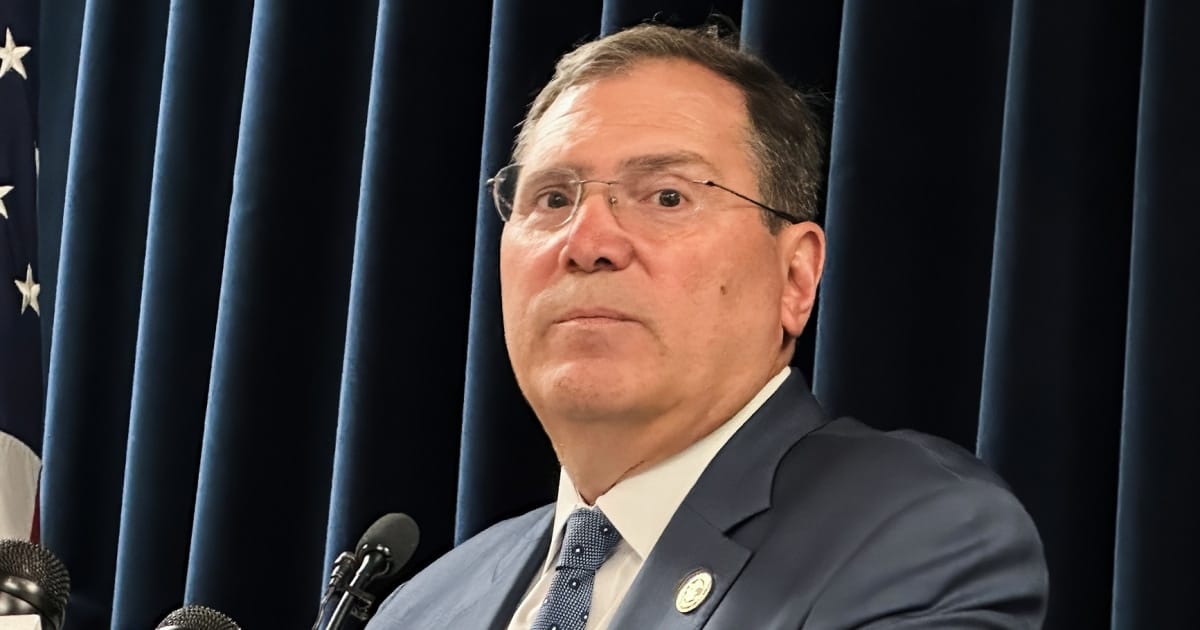
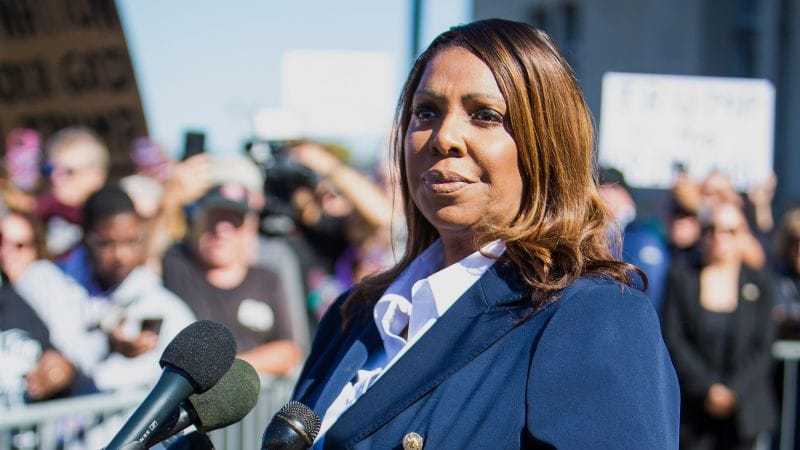
Let’s not mince words here: this is a big deal. A really big deal, in fact. When a federal judge—a very serious, non-partisan-acting judicial figure—comes out and says that one of the top federal prosecutors in a major district is serving unlawfully, it’s not just a technicality; it’s a full-blown red alert for the state of the American justice system. We’re talking about a situation where the rule of law itself is being treated like a suggestion rather than a mandate. The judge, Lorna Schofield, just dropped a hammer, essentially declaring that John Sarcone, Trump’s pick for acting U.S. Attorney for the Northern District of New York, has no business holding that title, and certainly no business presiding over serious criminal investigations (like the ones involving New York AG Letitia James, for instance).
This isn’t a simple case of bureaucratic oversight or a scheduling error; this is about a systemic pattern that defined the Trump administration. The administration, and specifically figures like Pam Bondi, were playing a high-stakes game of chicken with the checks and balances system, trying to see how many ‘acting’ officials they could install before someone in the judiciary finally stood up and said, ‘Enough is enough.’ The answer, apparently, is ‘five unlawfully appointed prosecutors’ before a judge finally took action. It took far too long for a single judge to look at the situation and say, ‘This guy is serving unlawfully.’ It makes you wonder how many other ‘acting’ officials out there are operating with questionable authority, potentially compromising every single case they touch.
Q: What exactly is an ‘acting’ official, and why did Trump love them so much?
The concept of an ‘acting’ official isn’t new; it’s designed to ensure continuity of government during transitions. If a U.S. Attorney resigns unexpectedly, for example, the first assistant can temporarily step into the role until a permanent replacement (who must be nominated by the President and confirmed by the Senate) is selected and confirmed. This is supposed to be a short-term solution, a Band-Aid, for maybe a month or two. But under the previous administration, this temporary measure became the new normal, a tactic of convenience designed to circumvent the Senate’s authority to advise and consent. The Vacancies Act, which governs these temporary appointments, became a loophole big enough to drive a truck through. The administration essentially said, ‘We don’t want to deal with the messy business of Senate confirmation, where we actually have to justify our choices to a legislative body. So we’re just going to keep a revolving door of acting officials who are loyal to us, not necessarily to the Constitution.’
The problem is that these acting officials—unlike confirmed officials—often feel less bound by institutional norms and more beholden to the political appointer. They’re basically on probation, always looking over their shoulder, trying to appease the person who put them there (in this case, Trump and his inner circle). This creates a dangerous incentive structure where loyalty trumps competence, and political agendas override the impartial application of the law. When you look at the specific circumstances of Sarcone, a fifth prosecutor appointed unlawfully by Trump/Bondi, you realize this wasn’t an accident. This was a deliberate strategy to place unconfirmed, politically pliable individuals in critical positions of power. The goal, in many cases, appeared to be to investigate political enemies and protect political allies. The ruling by Judge Schofield, in this context, isn’t just about a technical violation of law; it’s about pushing back against the weaponization of the federal justice system.
Q: What are the specific implications of Sarcone’s appointment being ruled unlawful?
This is where the alarm bells really start to ring. If Sarcone was serving unlawfully, what does that mean for the cases he was overseeing? The ruling specifically mentions investigations into New York Attorney General Letitia James and others. James, for those keeping score at home, has been a key antagonist to Trump, pursuing civil litigation against him and his businesses in New York. The fact that an unlawfully appointed prosecutor was investigating her smells like a retaliatory political hit job. Judge Schofield’s ruling essentially pulls the plug on Sarcone’s involvement in those cases (or at least, his involvement as the top prosecutor). The implication is that any actions he took while serving unlawfully could now be challenged. Defense attorneys are probably having a field day, preparing motions to challenge convictions and dismiss charges based on the fact that the prosecutor lacked proper legal authority.
Imagine a scenario where a high-profile case results in a conviction, only for a defendant to appeal, arguing that the prosecutor in charge was never legally authorized to hold the office. This creates chaos, potentially unraveling years of work and allowing criminals to walk free on procedural grounds. The short-term impact is disruption and uncertainty; the long-term impact is a loss of institutional integrity. This ruling exposes a potential weakness in the entire chain of command. If one judge can rule on this, others might follow suit, potentially leading to a cascade of challenges to decisions made by all ‘acting’ officials appointed under similar circumstances. The system is crumbling under the weight of political manipulation.
Q: Is this ruling really about politics, or just a technicality of the Vacancies Act?
While the ruling itself may hinge on the technical language of the Vacancies Act, let’s be realistic: everything in Washington, especially concerning presidential appointments, is political. The timing of this, coupled with the nature of the investigations Sarcone was involved in, makes it impossible to view this as purely administrative housekeeping. This is a battle for control over institutions. When a president appoints someone like Sarcone—who, according to the ruling, failed to meet the legal requirements to hold the office—it suggests a disregard for the established process. The goal isn’t just to fill a seat; it’s to fill a seat with someone who will prioritize the president’s agenda over impartial justice. This ruling confirms that a federal judge recognized this and decided to take a stand.
The ruling effectively says that the administration tried to bypass the constitutional safeguards put in place to ensure impartiality and accountability. The Senate confirmation process, while often criticized for being slow and partisan, exists for a reason: to vet candidates and ensure they are qualified and not simply a political operative in disguise. By using the ‘acting’ loophole so aggressively, the administration attempted to undermine that process entirely. The Sarcone ruling (and others like it) are a sign that a segment of the judiciary is finally pushing back against this overreach. The question now becomes: how deep does this rabbit hole go? How many other ‘acting’ officials were installed under questionable legal circumstances, and what damage have they done to the integrity of the justice system?
Q: What does this mean for the future, particularly if Trump returns to office?
This is where the panic truly sets in. This ruling, while important, serves as a warning shot, not a complete solution. It highlights a vulnerability in our system that will surely be exploited again. If the previous administration was willing to go this far with its first-term appointments, imagine what a second-term administration, emboldened by past successes and aware of potential loopholes, would attempt. The use of ‘acting’ officials isn’t going to disappear; in fact, it might accelerate. The Sarcone ruling might force future administrations to be slightly more careful about following the letter of the Vacancies Act, but it won’t stop the underlying impulse to stack the deck with loyalists.
We are in a situation where the norm of judicial independence is being tested. This ruling, while good news for advocates of institutional integrity, also creates a precedent for political opponents to challenge future appointments. This could lead to a cycle of judicial challenges and counter-challenges, making it even harder for the government to function effectively. The justice system, once considered the bedrock of a stable society, is increasingly becoming just another battleground in the culture wars. The Sarcone ruling is a symptom of this larger trend, and unless significant structural reforms are implemented to close these loopholes, we can expect more of the same—more unlawful appointments, more judicial challenges, and more public distrust in the institutions that are supposed to protect us.