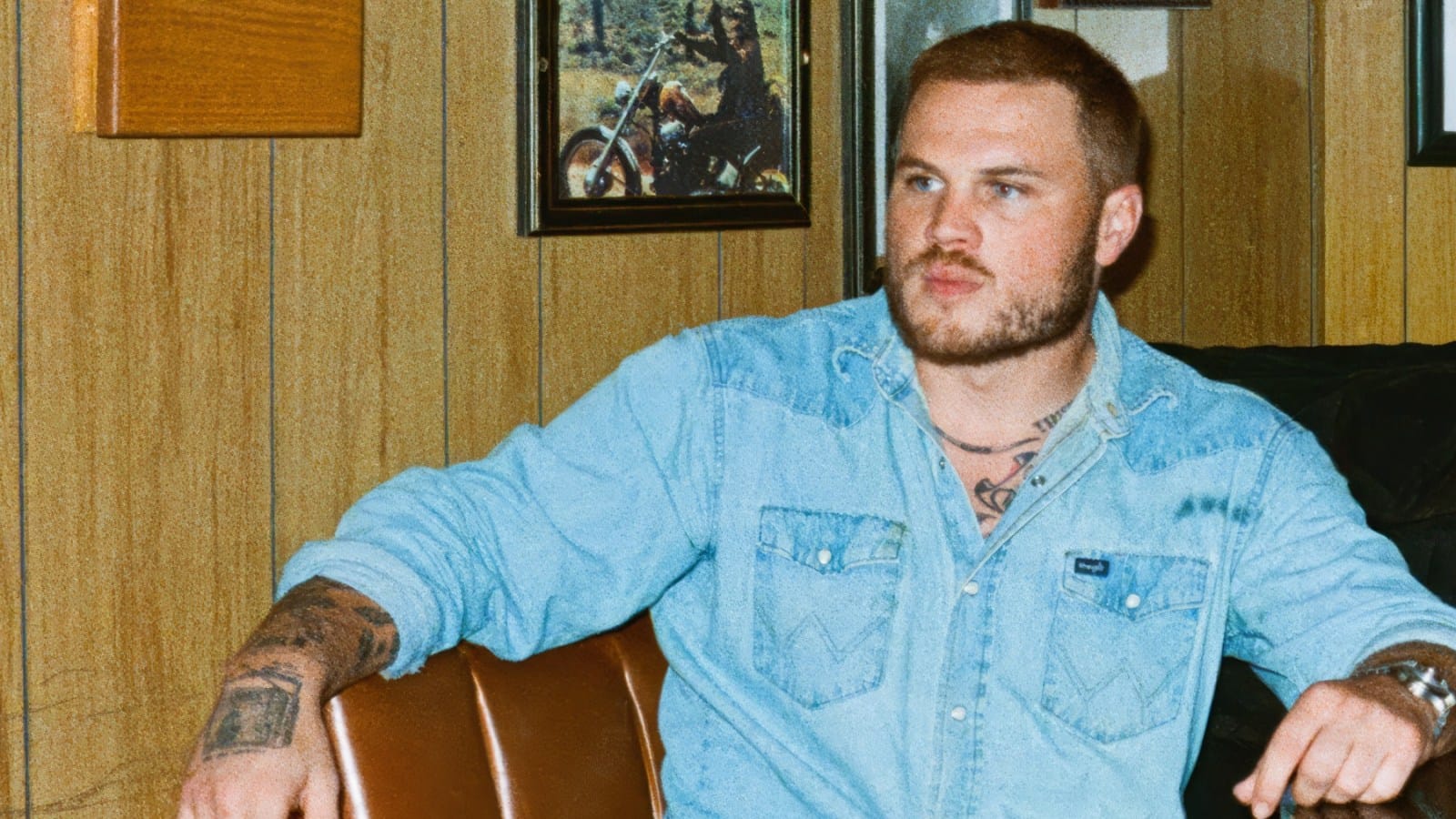
The Era of Weaponized Vulnerability Is Upon Us, And Zach Bryan Is Leading The Charge
Let’s not mince words here. What we witnessed this week with the release of Zach Bryan’s new album, With Heaven on Top, isn’t just a musical event; it’s a cultural alarm bell ringing in the middle of a burning building. We are watching, in real-time, the complete decay of privacy, authenticity, and human decency, all neatly packaged in an acoustic guitar and a cowboy hat. The focus on a particular track, ‘Skin,’ which has been rightly identified as a scathing diss track aimed squarely at previous romantic partners while simultaneously lionizing his current relationship with Samantha, reveals a terrifying new standard for celebrity behavior. This isn’t a break-up song in the traditional sense; it’s a public execution of past relationships in the court of digital opinion, and the jury is the internet. This trend, where personal trauma is leveraged as content, is fundamentally redefining how we view relationships and accountability in the 21st century. It’s a calculated move that proves vulnerability is no longer a human state; it’s a commodity, and Bryan just figured out how to maximize its market value. The long-term implications for society, where every personal misstep becomes fodder for a viral narrative, are catastrophic. We are moving headfirst into a world where a private life is not only secondary but actively detrimental to professional success. It is, quite simply, the end of normal relationships as we know them.
The Shift from Emotional Artistry to Public Shaming
For decades, artists have written songs about heartbreak. It’s part of the human condition. From Hank Williams’ ‘Cold, Cold Heart’ to Fleetwood Mac’s Rumours (a perfect example of inter-band drama turned into legendary art), music has always processed pain. But there’s a critical difference between catharsis and a targeted, public attack. When a band like Fleetwood Mac wrote ‘Dreams’ or ‘Go Your Own Way,’ they were speaking broadly about shared pain, allowing listeners to project their own experiences onto the lyrics. The songs were ambiguous enough to maintain a degree of dignity for all parties involved. This new generation of ‘diss tracks,’ however, leaves nothing to chance. They are specific, they are personal, and they are designed to create a clear winner and loser in the public eye. The ‘Skin’ track in question isn’t subtle; it uses the ‘authenticity’ demanded by today’s audiences as a cudgel to strike down perceived enemies and elevate the artist’s current partner. This is where the panic alarm truly goes off. The currency of ‘vulnerability’ has been co-opted. We’ve gone from artists sharing their feelings to artists weaponizing their relationships for career advancement. The audience is not just listening; they are participating in a trial by social media, where the ex-partner has no right of reply and is instantly condemned. This sets a horrifying precedent for what constitutes acceptable behavior in a public forum.
The New Dystopian Feedback Loop: Authenticity as a Performance
We live in a world where everything is content. From the moment we wake up to the moment we scroll ourselves to sleep, we are consuming and producing information. The pressure on celebrities, particularly those who build their brand on ‘authenticity’ like Bryan, to constantly feed the beast is intense. Fans don’t just want good music anymore; they want the ‘behind-the-scenes’ drama. They want access. They want to feel like they know the person, not just the persona. Bryan’s move, releasing a track like ‘Skin,’ is a brilliant (and terrifying) response to this demand. He’s giving the audience exactly what they think they want: unvarnished truth about his relationships. But here’s the insidious part: it’s not unvarnished truth at all; it’s a highly curated, professionally produced narrative designed to control the public perception of events that are inherently private. The vulnerability is performative. The authenticity is a mask. The true impact of this isn’t on Bryan’s exes, who are surely hurt and exposed, but on the millions of young people who will internalize this behavior as normal. They will learn that if a relationship ends, the best way to get closure is not through private discussion or self-reflection, but through public shaming and leveraging social media to validate one’s own narrative. It’s a race to control the narrative, and the first person to drop a diss track wins. This is a terrifying feedback loop that rewards performative suffering and destroys genuine connection.
The Collapse of Boundaries: From Country Music to Cultural Epidemic
This isn’t just a country music problem, of course. It’s endemic across pop culture. We see it in the highly publicized and often manipulative breakups of influencers on YouTube and TikTok, where a relationship ending becomes the central plot point of a new series of videos. We see it in reality TV, where personal tragedies are exploited for ratings, and participants willingly sacrifice their dignity for fifteen minutes of fame. The difference with Zach Bryan is the scale and the medium. Country music, in particular, has traditionally prized a certain kind of grounded, ‘real-life’ storytelling. By importing the highly toxic and performative feuding style of online culture into this genre, Bryan effectively contaminates the well. He legitimizes a new kind of interaction where personal boundaries are nonexistent. The ‘Skin’ track is a declaration that the personal is now public property, a resource to be mined for profit. And what happens when a resource is depleted? You move on to the next one. The relentless need for content will force artists to continually expose more and more of their lives, creating a market where true privacy becomes an expensive luxury only afforded by the truly anonymous. For everyone else, it’s a constant battle for narrative control. The panic alarm should be deafening by now. The writing is on the wall. We are witnessing the death of genuine celebrity mystique and the rise of the trauma-preneur, where personal tragedy is the most valuable asset. The new album’s title, With Heaven on Top, feels like a dark joke when you consider the content. It’s more like a descent into the lower circles of public life, with a soundtrack provided by the person doing the pushing. The world of meaningful, private relationships, where personal issues are resolved between two people, is gone. It’s just a matter of time before this toxic trend fully infects every aspect of our lives, transforming simple heartbreak into a public spectacle of ‘likes’ and ‘shares.’ We’ve jumped the shark, folks. There’s no coming back from this. It’s over.