The Façade of Winter Consistency: The Cynic’s Manifesto
Let’s cut the pleasantries, shall we? Every time pundits start waxing lyrical about Arsenal’s “annoyingly composed and consistent” winter run, my cynical alarms start screaming bloody murder. This is football, folks, and specifically, this is Arsenal we are talking about. You don’t just erase decades of psychological fragility and catastrophic failure with a handful of clean sheets against teams whose managerial tenure lasts about as long as a supermarket promotion. The consistency is a cheap, shiny veneer hiding a structural crack wider than the Grand Canyon, and Liverpool, spearheaded by the relentless, grin-wearing harbinger of doom that is Jürgen Klopp, are not just coming to play football; they are coming to test the integrity of that façade with a sledgehammer.
The fundamental delusion gripping the Emirates faithful right now is this nonsensical belief that one or two tidy wins against mid-table fodder somehow eradicates the decades of psychological scarring, the almost genetic predisposition toward self-sabotage, and the structural weakness that manifests every single time a genuinely elite, ruthless opponent arrives, smelling blood and ready to expose the brittle shellacked surface of Arteta’s supposed championship mentality. It’s the curse. Do you genuinely believe a few good weeks means the demons of *St. Totteringham’s Day* and the final-day implosions suddenly vanished?
Arteta’s Tightrope Walk: The Inevitable ‘Oh Arsenal!’
Peter Oh, bless his optimistic heart, is “hoping for an imminent ‘Oh Arsenal!’” moment, but let me tell you, it’s not hope; it’s inevitability. It’s written in the stars, etched into the DNA of the club since the Invincibles faded into memory. Arteta plays a high-wire, tightly controlled game, predicated on everyone sticking rigidly to a script. It works until the script gets wet. And against Liverpool, the script doesn’t just get wet; it gets shredded, burned, and scattered to the four winds of Anfield’s psychological wind machine—even when they play in North London. The moment the game diverges—the referee makes a poor call, an early goal rattles the cage, or a key player loses his cool—that highly structured composure melts into a puddle of panic, exposing the manager’s fundamental lack of a Plan B beyond ‘pass it to Odegaard and pray.’
The managerial tightrope walk is exhausting to watch because it telegraphs weakness. It screams, ‘We are relying entirely on systems, not individual grit or spontaneous brilliance under duress.’ Look back at their recent near misses; they fold spectacularly. Why? Because the management instilled a belief in process, not resilience. You can talk about metrics and XG all day long, but when the pressure cooker starts whistling, are you built of steel, or are you built of highly refined, extremely expensive chocolate? We know the answer. They always crumble.
We are consistently told that this team is different, that the mentality shift has occurred, that the trauma of previous seasons is merely background noise, yet the second a challenge of genuine magnitude appears, the collective body language screams panic and doubt, culminating in those signature five minutes of madness where they concede two easy goals and the entire narrative of the season flips upside down. This is the bedrock of my cynicism: I am simply observing historical patterns repeating with frightening, meticulous accuracy, regardless of who is wearing the armband or how much money they have spent in the transfer window. When you look at the fundamental nature of top-tier English football, it demands a ruthless, almost ugly pragmatism when things go sideways, a trait that seems to be surgically removed from anyone who steps into the technical area at the Emirates.
The Cynic’s View on Team News: Who Are They Hiding?
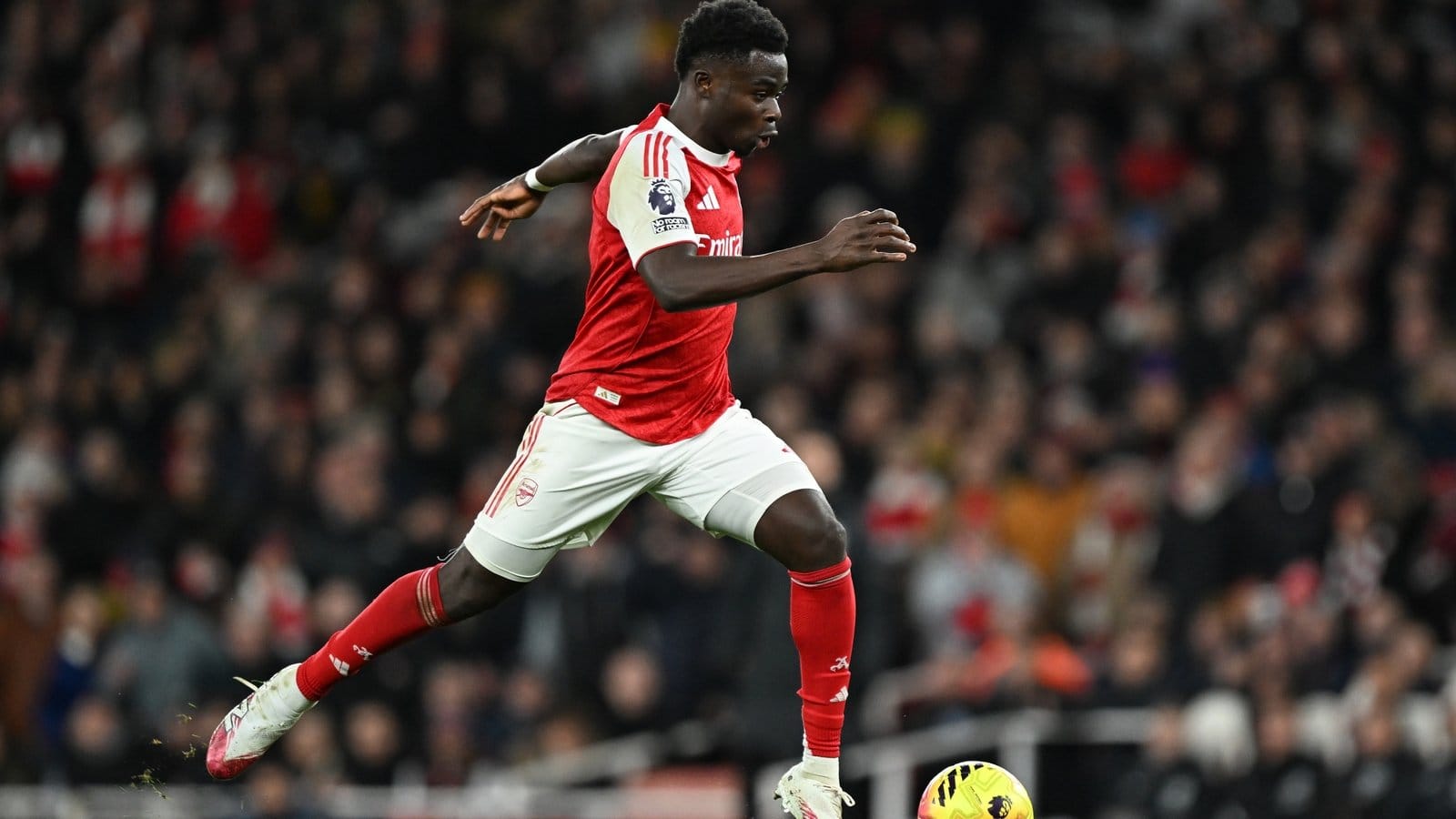
Now, let’s talk about the team news, the classic opening gambit in the mind-game war. We hear that Bukayo Saka and Leandro Trossard both return to the starting XI. This isn’t strength; this is desperation. This is the manager throwing his best toys onto the field because he knows, deep down, the defensive structure he has built cannot withstand sustained intensity without absolute firepower offering relief at the other end. It’s a palliative measure, not a cure.
And then there’s the delightful ambiguity around Ekitike and Havertz. “The fitness of Hugo Ekitike and Kai Havertz is being monitored.” Monitored? Please. In the modern, hyper-analyzed game, medical monitoring is a euphemism for selective availability. If a player is truly injured, they are out. If their status is ‘monitored,’ it means two things: A) They are fully fit but being used as psychological decoys, or B) They are nursing a minor knock but the club is inflating the drama to justify any potential poor performance. It’s pure theatre. Are we supposed to believe two crucial players’ statuses are genuinely hanging by a thread hours before kickoff, or is this just background noise designed to distract from the far more crucial question of why Arsenal’s midfield always seems to vanish when high-speed transitions occur?
Klopp doesn’t play this monitoring nonsense. Klopp names his team, and they run through walls. Arsenal plays semantic games about ‘monitoring fitness.’ Who is the real champion? The one who creates chaos and embraces the fight, or the one who tries to micromanage the pre-match headlines? The answer is obvious to anyone who pays attention.
Saka and Trossard: The Comfort Blanket Ripped Away
Saka’s return is mandatory, not strategic genius. He is the engine, the creativity, the only player capable of pulling a genuinely unscripted moment of brilliance out of the fire, but relying on him constantly is an organizational failing. When one player’s form dictates the entire emotional and tactical viability of a multi-billion dollar operation, that operation is fundamentally flawed. Trossard offers industry and clever movement, sure, but he’s a cog, not a disruptor, and he won’t solve the core problem of systemic fragility under elite pressure. They are bringing back their safety blanket, hoping the familiar texture will soothe their nerves, but Liverpool arrives not to comfort, but to administer a shock of cold, hard reality.
What happens when the initial Saka magic wears off after 30 minutes? What happens when Liverpool neutralizes his threat by doubling up ruthlessly and cutting off the supply lines? This is where the ‘Oh Arsenal!’ moment begins: the reliance on one star turns into frustration, frustration turns into misplaced passes, and misplaced passes turn into goals conceded at the most agonizing moments. It’s a cyclical, beautiful tragedy for the impartial observer, a predictable disaster for the invested fan, and utterly damning for the analyst who knows deep down that nothing fundamentally changes in North London.
The Deep Historical Rot: Why This Game Matters Less Than the Collapse That Follows
Let’s talk about history, because you can’t understand Arsenal’s present without obsessing over their past. This isn’t just about three points; this is about legacy and psychology. Arsenal still operates under the shadow of its own golden age, constantly striving to replicate something that the modern game simply doesn’t allow in the same form. They chase perfection and stability when the Premier League demands volatility and grit. Liverpool, conversely, has built its modern legend on relentless, suffocating dominance. They don’t just beat you; they break your spirit and then stand over the pieces, asking if you’ve had enough. That psychological advantage, fostered over years of Klopp’s ‘heavy metal football,’ is a weapon far more dangerous than any tactical setup, and it penetrates deep into the Gunners’ fragile psyche.
Winning this match, if they manage it—and let’s be clear, the odds are always stacked against the team with the deeper-seated history of folding—would merely postpone the inevitable crisis. The historical rot goes deeper than a single manager or a single player cohort; it is institutional. It’s a boardroom culture that prioritizes stability over genuine, ruthless ambition, leading to a player culture that often mistakes effort for efficacy. They confuse running hard with thinking smartly under pressure. It’s the kind of subtle, systemic error that high-pressure encounters expose with surgical precision. When you look at the fundamental difference between these two clubs, one chases trophies, the other chases validation. Big distinction.
The Anfield Shadow
The ‘Anfield Shadow’ extends far beyond Merseyside. The sheer weight of defeats, the crushing manner of the losses, and the psychological dominance Liverpool holds over Arsenal have created an invisible barrier. Even playing at Emirates, the players internalize the past results. It’s like a neurological trigger; once Liverpool scores, a clock starts ticking down to full-blown panic mode. Klopp doesn’t even have to employ complicated tactics; he just needs to be Klopp. His mere presence on the sideline, radiating certainty and controlled aggression, is enough to unsettle a team built on the shaky foundations of relative consistency.
The greatest danger for Arsenal isn’t Salah or Van Dijk; it’s the 70th minute when they’ve fought hard, maybe they’re drawing 1-1, and suddenly they remember every 4-0 thrashing, every defensive horror show, every moment they were found wanting. That’s the shadow, folks, and you can’t transfer-window your way out of that kind of deep psychological trauma, no matter how much you spend on a central midfielder.
This match is merely the latest chapter in a long-running, depressing saga where Arsenal promises the moon and delivers damp squib. The media will hype it up as a title decider, a clash of giants, a must-win statement, but it’s really just another opportunity for a pre-programmed system to short-circuit under high voltage, a chance for the Cynical Investigator to say, ‘Told you so,’ and for the Liverpool machine to quietly, efficiently, and ruthlessly continue its inexorable march towards silverware, leaving behind the wreckage of another pretender’s season. The narrative is set, the actors are in place, and the final scene involves Arsenal looking shell-shocked and the manager scratching his head with the same tired, impotent look we’ve seen a thousand times before. We are talking about the complete operational breakdown of a club that convinces itself of its own superiority right up until the point of contact with genuine, high-caliber opposition, proving time and again that mental fortitude is a far scarcer commodity than technical ability or deep pockets.
The Predicted Post-Mortem and Managerial Excuses
If (when) Arsenal folds, the post-mortem will be predictable garbage. We will hear about marginal refereeing decisions. We will hear about tiredness after a busy winter schedule—a schedule every top team faces, mind you. We will hear about the ‘learning process,’ the ‘development curve,’ and the eternal, infuriating promise that ‘next season will be different.’ It’s the standard script for managerial obfuscation when the core issue—the inability to perform when the stakes are truly stratospheric—remains unaddressed. When they lose, Arteta will stand there, all sharp suits and intense glares, and talk about fine margins. Fine margins don’t explain a three-goal swing in ten minutes; systemic vulnerability explains that. You can’t polish a turd.
The sheer volume of analysis that goes into dodging accountability in modern football is truly astonishing, diverting attention from the cold, hard fact that if your team consistently fails the biggest tests, the problem is not bad luck; the problem is deep, operational failure engineered from the top down. The blame will be distributed everywhere except where it belongs: the system that fails to prepare players for real adversity. They will look at the stats, see they had 60% possession, and declare moral victory, ignoring the fact that possession without penetration against an elite counter-attacking machine is just suicide with extra steps. They need to stop counting passes and start counting meaningful chances created when the game is actually on the line.
The Future: Mediocrity or Meltdown?
The road ahead for Arsenal is bifurcated: sustained, frustrating mediocrity where they fight for fourth place, or a spectacular, glorious meltdown where the wheels come off entirely by March. I’m leaning towards the latter, because the pressure cooker is building to an unsustainable level. This game against Liverpool isn’t a stepping stone; it’s a precipice. The result will define whether they limp through the rest of the winter clinging to hope, or whether they descend into that familiar, chaotic cycle of fan discontent, player sniping, and existential dread that characterizes every failed Arsenal title push. They are fundamentally incapable of sustaining the level of intensity required to dethrone Liverpool or Manchester City because their default setting is panic when confronted by actual, high-stakes combat. Watch this space; the implosion is coming. It’s not pessimism; it’s an evidence-based prediction rooted in observing human, or rather, *Gooner* imperfection under pressure. The only question is how loud the bang will be when the whole thing finally gives way.