The Anatomy of a Systemic Failure: How Kentucky’s Program Hit Rock Bottom
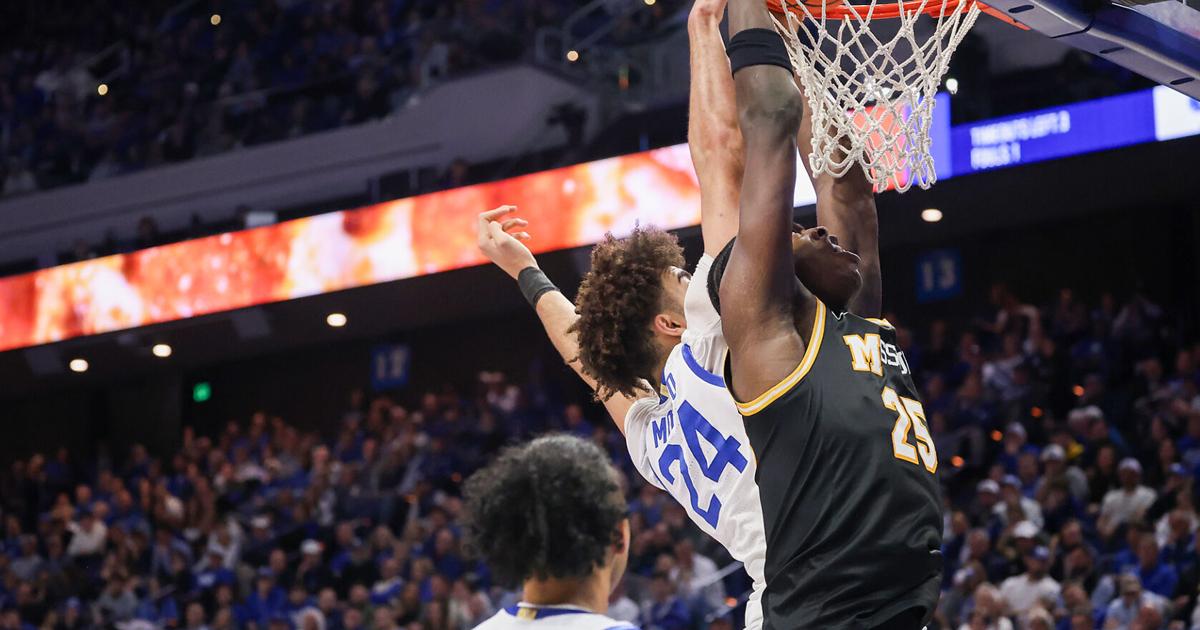
There are losses, and then there are data points. What happened at Rupp Arena when Mizzou, a team that had never once in the history of this rivalry managed to win on that hallowed ground, marched in and left with a 73-68 victory wasn’t just a loss; it was a screaming, undeniable data point validating every suspicion that has hung over the Kentucky Wildcats program for the better part of a decade.
We’re talking about a level of embarrassment that transcends a bad night of shooting or a couple of missed calls by officials, instead burrowing deep into the structural integrity of a program that has long prided itself on being college basketball royalty, the kind of program where a defeat by an unranked opponent at home should be a statistical anomaly, not a predictable symptom of a deeper malaise. The fact that Kentucky squandered a late lead, as noted in the initial reports, isn’t an isolated incident either; it’s the season-long problem, the recurring nightmare where a team with all the talent in the world crumbles under the slightest pressure, ultimately revealing a total lack of leadership and a deep-seated fragility when it matters most.
The Illusion of Grandeur: Deconstructing the One-and-Done Failure
To understand why a loss to Mizzou at Rupp Arena is so devastating, you have to understand the historical context and the mythology surrounding the Kentucky Wildcats. This isn’t just another basketball team; it’s a legacy built by Adolph Rupp, cemented by countless championships, and sustained by an almost religious devotion from its fan base, who expect greatness, not just competence. The program has always recruited top talent, but somewhere along the line, the focus shifted from building a cohesive team—a program with a consistent identity—to simply collecting the most high-ceiling one-and-done freshmen available, a strategy that prioritizes individual NBA draft preparation over the fundamental principles of team basketball.
This approach has led to a fundamental identity crisis where the team lacks the toughness, cohesion, and veteran leadership necessary to win against an opponent who actually plays together, which is exactly what Mizzou did. When Kentucky’s late lead evaporated, it wasn’t a coaching error in that specific moment that caused the collapse; it was the inevitable culmination of a philosophy where the players, though individually gifted, lack the necessary experience and a shared basketball ethos to execute under pressure. The team fell apart, losing focus and turning the ball over when it mattered most, which is precisely what happens when you don’t have a reliable, experienced leader on the floor to calm things down and command respect. The final five minutes of the game were a microcosm of Kentucky’s systemic failure, a complete lack of poise and execution that allowed Mizzou to dictate the pace and secure a victory that will haunt the Wildcats’ faithful for years to come.
The Coaching Conundrum: A Program Drifting into Mediocrity
The logical deconstruction of this loss leads directly to the question of coaching accountability. A program that consistently underperforms relative to its talent level, and one that repeatedly collapses in high-pressure situations, demonstrates a failure in leadership that goes far beyond the players themselves. It is the coach’s responsibility to instill that toughness, to teach the fundamental value of protecting a lead, and to recruit players who prioritize winning over their individual draft stock. When Mizzou’s Mark Mitchell and Jayden Stone were making critical plays and Kentucky’s players looked flustered, it highlighted a profound disconnect between the coaching staff’s expectations and the team’s ability to execute under pressure.
This isn’t just about this season. We are seeing a pattern of decline over a prolonged period where the blue blood status is becoming increasingly mythological and decreasingly factual. The loss to Mizzou isn’t just a bump in the road; it’s evidence that the program’s foundation has eroded significantly, leaving a hollow shell of what was once the most feared team in college basketball. The fan base’s patience, once limitless, is wearing thin, and the pressure on the coaching staff to produce results is now at an all-time high. The problem isn’t just that Kentucky lost; it’s that Kentucky looked exactly like the kind of team that *deserves* to lose to Mizzou in its home arena, which is perhaps the most damning indictment of all.
Future Predictions: The Long-Term Fallout
The implications of this loss extend far beyond the current season’s record. A loss of this magnitude impacts recruiting efforts, fan morale, and the very perception of the program nationally. Why would a top-tier recruit choose to join a program that, despite its history, consistently fails to live up to its potential and collapses under pressure? The narrative shifts from “Kentucky is where you go to prepare for the NBA” to “Kentucky is where you go to get exposed when the going gets tough,” a dangerous narrative shift for a program that relies entirely on a pipeline of elite talent.
Furthermore, this loss to Mizzou is a direct challenge to the idea that Kentucky remains a powerhouse in the SEC. The conference has become significantly more competitive, with other programs investing heavily in their basketball programs and closing the talent gap, and Kentucky’s failure to adapt to this new reality is evident in these high-stakes, high-pressure games. This loss isn’t just a wake-up call; it’s a death knell for a particular era of Kentucky basketball. The program must fundamentally reassess its strategy, priorities, and leadership, or risk drifting permanently into the realm of mediocrity, where losses to teams like Mizzou at home become not historical anomalies, but just another Tuesday night.