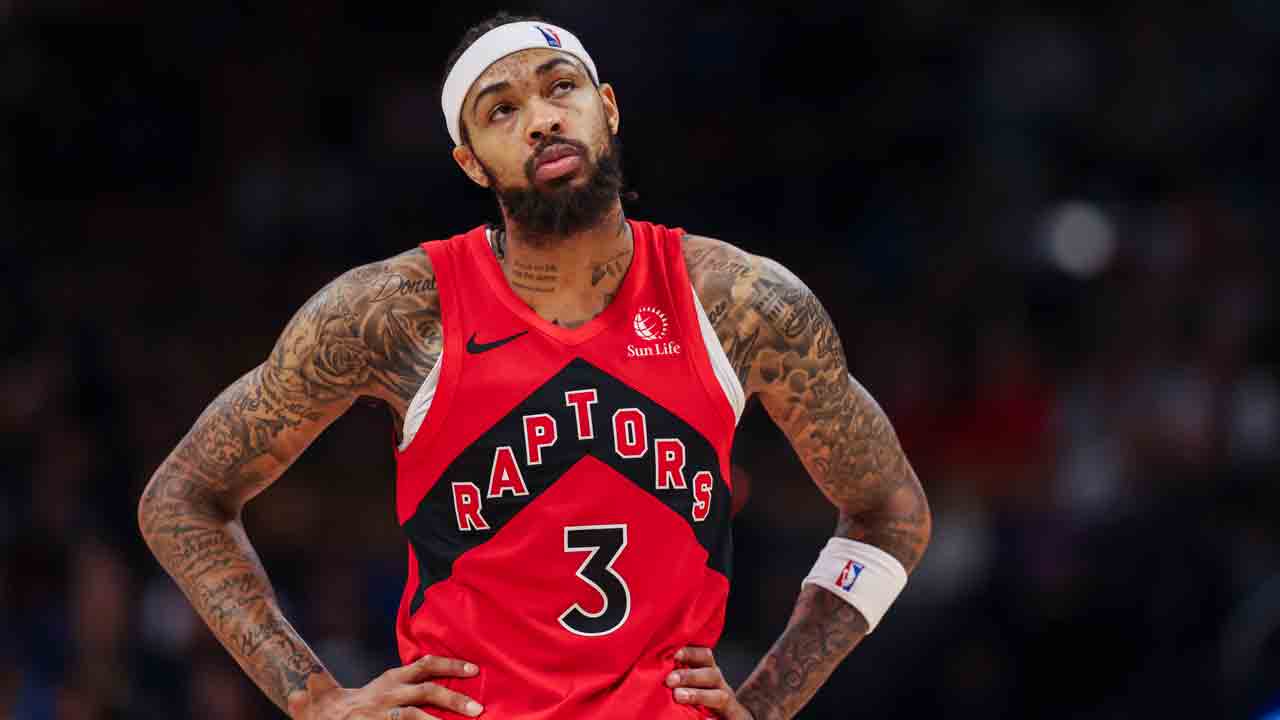
The Frailty of the Modern Basketball Messiah: Ingram’s Thumb and the Algorithmic Collapse
Look at this, another injury report that sounds like a hardware failure rather than an athletic setback. Brandon Ingram, day-to-day with a thumb sprain. A sprain! Back in the day, a sprain meant maybe icing it for an afternoon and showing up for the next shift, or perhaps just playing through the mild agony that builds character. Now? Now it’s an immediate evacuation to the locker room, triggering full-scale media hysteria and the inevitable ‘day-to-day’ purgatory that means absolutely nothing except that the team PR machine has booted up.
This whole incident—Ingram heading out against Charlotte—it’s a perfect microcosm of everything wrong with modern professional sports, especially basketball. We’ve traded resilience for data points, and the players are suffering for it, or at least, their availability is. (You have to wonder how many of these minor tweaks are just soft tissue signaling, amplified by the constant monitoring from those ridiculous wearables they strap on.)
The Digital Leash and the Death of Toughness
When I see a thumb sprain sideline a professional athlete, my blood pressure rises faster than crypto valuations in a bull run. It highlights the fundamental shift: we worship the ‘superhuman’ athlete, yet these so-called gods are encased in layers of protective, preventative, and predictive technology that seems utterly useless when a simple, random collision happens. The metrics demand perfect form, perfect recovery, and zero risk, turning athletes into high-value biological servers that are too expensive to run at full capacity for too long. They are managed like inventory, not competitors.
Think about the historical context here, which the current generation conveniently forgets. Guys played through broken noses, taped-up ankles that should have been set in plaster, and chronic pain that would send today’s softest players straight to the operating table for a preventative tune-up before the All-Star break. (It’s almost comical watching them nurse a stubbed toe for two weeks.) The NBA, bless its heart, has engineered a product where perfection is the expectation, and imperfection—meaning, reality—is an existential threat to the bottom line. The league is terrified of its golden assets being scratched, which ironically makes them more likely to break down completely when they finally encounter real friction.
Why is this happening? Because the analytics push demanded peak efficiency. Peak efficiency means minimizing wasted energy, which translates to minimizing ‘risky’ movements. When players are constantly being told by some algorithm what their optimum exertion level is, their natural threshold for pushing through minor pain becomes severely underdeveloped. Ingram sprains his thumb, and suddenly, that highly tuned machine flags a red alert, even if the actual physical damage is negligible. It’s the computer panicking, not necessarily the body screaming.
The Toronto Calculus: Managing the Assets
The Raptors situation complicates this further. They aren’t exactly setting the world on fire right now (let’s be honest, they’re in that awkward purgatory phase), so losing Ingram, even temporarily, shifts the entire offensive load. When a key piece is suddenly yanked out because of a digit injury, the entire system built around maximizing his usage—the specific play calls, the defensive switches—gets thrown into chaos. This isn’t just about the score of one game; it’s about the psychological hit to the rotation and the immediate recalculation by every scout watching film across the continent.
We are talking about a thumb sprain. A thumb! This isn’t a torn ACL; this is something that, for 99% of the population, means you might have trouble opening a stubborn jar of pickles the next day. For an NBA player, it means the end of their current stretch of utility. This absurdity demands a reckoning regarding what we value in athletic performance. Is it the highlight reel or the sustained ability to withstand the grind? (The answer, dictated by billion-dollar contracts, is obviously the highlight reel, managed in slow motion.)
(It reminds me of the old days of early digital cameras—beautiful pictures, but you couldn’t drop the thing or it would die. We’ve built highly advanced, fragile digital athletes.)
The Inevitable Speculation: What Happens Next?
“Day-to-day” is the ultimate weasel word in sports reporting. It means the team has absolutely no idea, or they know exactly, but they won’t commit because admitting a multi-week absence too early messes with playoff positioning projections and betting lines. Given it’s a thumb sprain, the immediate prognosis is often dictated by swelling management, not ligament stability. If this is a severe Grade II sprain, Ingram could be looking at missing significant time, especially because ball handling and grip strength are non-negotiable for wing players.
If he’s out for a significant chunk, watch how the Raptors try to plug the gap. They won’t find another Ingram, obviously, but they will rely more heavily on players who might not have the requisite shot creation skills to sustain an elite offense. This forces other players to attempt hero ball—something their carefully calibrated training regimen likely discourages. You’re asking players to suddenly override their data-driven comfort zones and revert to instinctual, high-variance play. That’s a recipe for ugly basketball, which, frankly, is more honest than the sterile product we usually get.
(And let’s not forget the psychological toll. Every time Ingram touches the ball upon return, there will be that microsecond of hesitation, that involuntary check to ensure the thumb is behaving. That tiny hesitation is where championships are lost. The technology healed the body, but the anxiety lingers.)
This whole cycle—the investment in hyper-specialized players, the reliance on real-time feedback, the immediate shutdown for minor issues—it’s all unsustainable theater. We are consuming the sport at a rate that demands perfect uptime, and the human body simply isn’t engineered for that kind of continuous, high-load operation without some rust and scrapes along the way. The thumb sprain is the canary in the coal mine, folks. It signals that the pursuit of algorithmic perfection is creating a brittle league structure.
It’s a tough break for Ingram, yes, but it’s a symptom of our collective, technology-induced impatience with anything less than flawless performance on demand. We demand gladiators, but we treat them like Fabergé eggs. This is the paradox of modern sports marketing, and it’s getting painful to watch. (Seriously, a thumb? Give me a break.) I expect more such ‘minor’ incidents to pile up as the season grinds on, proving that no amount of sensors can truly insulate an athlete from the sheer randomness of physics colliding at high speed. The game needs less screen time for the trainers and more actual grit shown on the court when things get uncomfortable. That’s just how it used to work, and frankly, that’s how it should work now. We’ve over-engineered the fragility right into the sport.