The Greenland Gambit: Why Rand Paul and Rubio Are Obstacles to American Might
Let’s cut right through the noise, because the mainstream media is absolutely fumbling this story, treating it like some quirky real estate joke when it’s nothing less than a full-blown geopolitical showdown. The big question isn’t whether we should buy Greenland—it’s why the establishment is so desperate to stop us from securing a strategic foothold that’s vital for national security, and why figures like Rand Paul are doing the bidding of globalists who would rather let China walk away with the keys to the Arctic. It’s time to stop thinking like a timid realtor and start thinking like a superpower. The ‘purchase’ idea, as initially floated, was just a test balloon for something far more significant, a signal to the world that America is back in the game and not afraid to take decisive action in its own backyard. But of course, the second a real, bold move is proposed, the establishment throws up roadblocks, demanding endless meetings and diplomatic delays. We’re watching the populist impulse to act decisively clash with the globalist compulsion to talk endlessly, and unfortunately, the latter has a lot of operatives working against the American interest.
Q: Why is Greenland Suddenly the Center of Attention?
The establishment wants you to believe this is just about some fantasy real estate deal. They want you to think it’s a whim, a distraction from domestic issues. But that’s a lie. The real issue is strategic dominance and rare earth minerals. Greenland is not just a big chunk of ice; it is the single most important piece of real estate in the Arctic. It controls the Northwest Passage, which is becoming increasingly navigable as global temperatures rise (regardless of your opinion on climate change, the melting ice is a fact, and it changes everything). Control over that passage means control over global shipping routes, and more importantly, it means control over military projection in the far north. Russia and China know this. They are already establishing bases, building icebreakers, and making moves to claim influence in the region while we stand around arguing about whether we can afford the purchase price. The rare earth minerals in Greenland are another critical factor; they are essential for modern technology, from smartphones to military hardware, and right now, China has a near-monopoly on them. Securing Greenland isn’t just an option; it’s a necessity if we want to break China’s grip on the global supply chain and ensure our own technological future. We are talking about critical infrastructure here, and we’re letting globalist politicians like Rand Paul argue against protecting it based on flimsy principles of non-interventionism that only seem to apply when America is taking action, never when our rivals are.
Q: Rand Paul Says He Will Stop Any Military Takeover. What’s His Game?
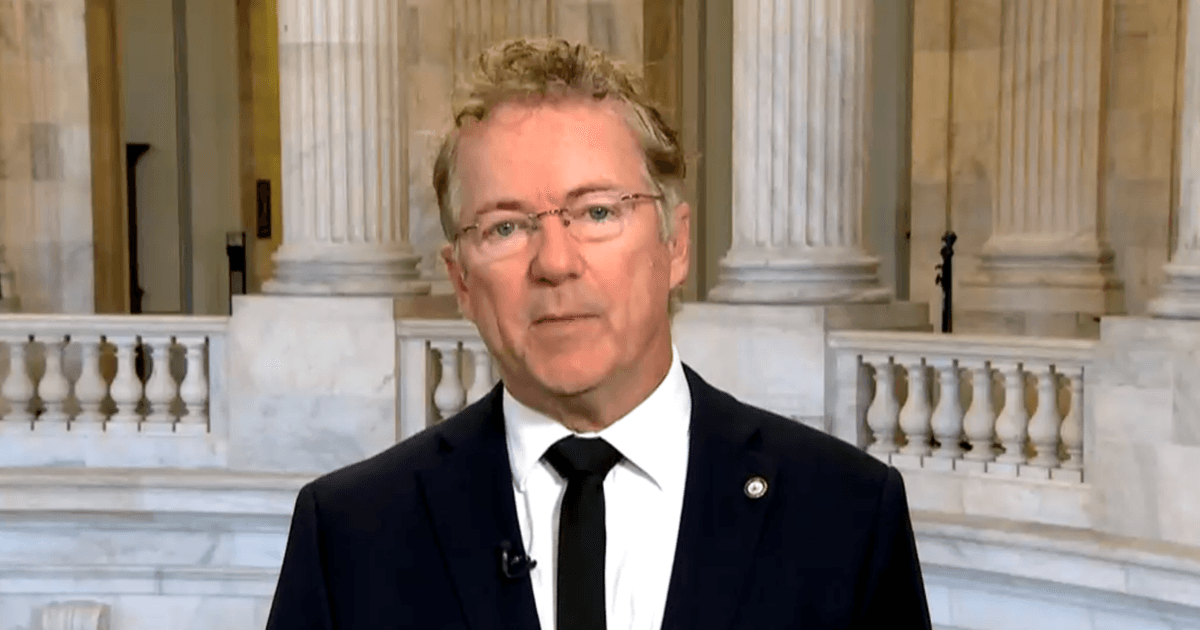
This is where it gets interesting, because Rand Paul is essentially pulling out the old isolationist playbook at the exact moment when it’s most dangerous. Paul says he will “do everything in my power to stop any kind of military takeover in Greenland.” Let’s be clear: this isn’t about protecting the Greenlanders; it’s about protecting the global order that Paul and his allies in the old guard are comfortable with. He’s trying to make this about “military aggression” and “intervention,” but he misses the point entirely. The real aggression isn’t coming from America; it’s coming from Beijing and Moscow, which are quietly moving into the vacuum we are leaving open. Paul’s position, while superficially appealing to non-interventionists, effectively ties America’s hands behind its back, leaving us vulnerable. He’s creating a political fight over a hypothetical military action that may not even be the primary strategy, but simply a negotiating tactic. The administration needs leverage against Denmark, a country that (let’s be honest) relies entirely on our protection. Paul’s rhetoric undermines that leverage before negotiations even begin. It’s almost as if he prefers a world where America shrinks and retreats, allowing other powers to fill the void. This isn’t principled foreign policy; it’s self-sabotage, pure and simple, and it’s exactly the kind of move that makes a populist base suspicious of the entire establishment’s motives. He’s playing a dangerous game for a few headlines, potentially sacrificing long-term national security for short-term political posturing. The establishment always tries to frame strength as weakness and inaction as wisdom, well, peace, but we know better.
Q: What About the ‘Old Pact’ and the Legal Basis for Action?
The establishment media (and Rand Paul) wants you to believe that any U.S. action would be a violation of international law. But they conveniently forget history. The United States and Denmark have a long-standing defense agreement (specifically relating to Thule Air Base) that effectively places Greenland under U.S. protection against external threats. During World War II, when Denmark was occupied by Nazi Germany, the United States effectively took control of Greenland for its own defense purposes. A pact from 1951 (and subsequent agreements) formalized this relationship. The core argument here isn’t about invasion; it’s about asserting pre-existing rights and responsibilities. If Denmark (which benefits immensely from this relationship) refuses to negotiate in good faith, arguing that Greenland is purely an internal matter, the U.S. has a strong historical and strategic basis to argue that its security interests supersede Denmark’s. The ‘old pact’ effectively gives the U.S. leverage—some might say a ‘free hand’—that makes Rand Paul’s objections look like a deliberate misreading of history to serve a political agenda. The U.S. isn’t trying to steal Greenland from Denmark; it’s trying to protect it from falling into the hands of hostile foreign powers (like China), which Denmark, in its current state, cannot prevent on its own. It’s a classic case of the protector needing to act decisively when the protected party is incapable or unwilling to see the bigger picture. We’re talking about a cold, hard calculation of strategic reality, not a simple property dispute.
Q: Marco Rubio Wants to Meet with Denmark. Is That Just Kicking the Can?
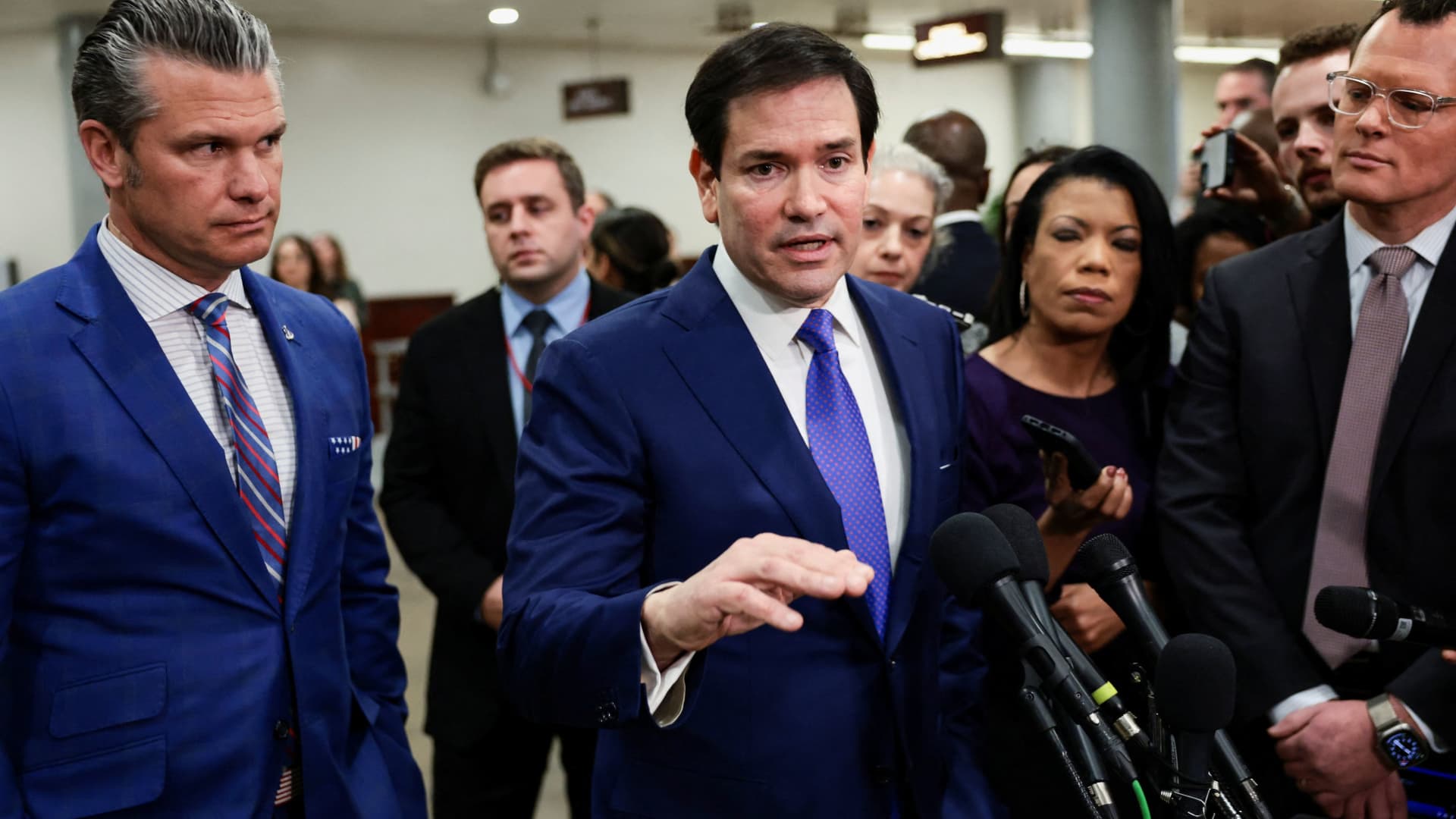
Ah, the classic establishment response: “Let’s have a meeting.” Marco Rubio, a key figure in the Senate Foreign Relations Committee, says he will meet with Denmark next week to discuss Greenland. This is exactly what the establishment does when confronted with a decisive action; they schedule meetings to delay, deliberate, and ultimately dilute the original plan. It’s not necessarily malicious; it’s just how the deep state operates. They prefer process over progress. They prefer a long negotiation where everyone gets to voice their concerns over a swift move that actually achieves a goal. While diplomacy is necessary, in this specific situation, Rubio’s meeting serves to signal to Denmark that the U.S. administration is divided, which empowers Denmark to dig in its heels. They can say, “Wait, Rubio wants to meet, maybe we can stall this out and get better terms or stop it altogether.” This undermines the strong stance that the White House needs to take to get what it wants. The administration needs to project unity and resolve, but instead, we get Rand Paul publicly fighting against military action and Rubio publicly signaling a return to business-as-usual diplomacy. It’s a perfect example of how the D.C. consensus machine (often regardless of party) works to slow down populist-driven foreign policy initiatives, effectively preventing real change. This isn’t just about Greenland; it’s about who controls foreign policy in America—the populist executive or the entrenched bureaucracy and congressional consensus builders who prefer to kick the can down the road indefinitely while our rivals gain ground.
Q: The Endgame: Who Will Win? The Populists or the Globalists?
The core issue here is whether America will act decisively to protect its strategic interests or if we will continue to adhere to outdated international norms that benefit our rivals. Rand Paul and Marco Rubio represent different facets of the old guard that are attempting to prevent a decisive strategic realignment. Paul represents the isolationist wing that believes in retreat; Rubio represents the interventionist wing that believes in endless, ineffective negotiations. Neither path leads to the strong, secure America that populism demands. The ultimate goal should be clear: either secure Greenland through purchase (with leverage) or assert control over strategic areas through existing agreements. The current political fight, however, signals internal division that our rivals will exploit. We need to stop letting figures like Paul dictate foreign policy based on fear and a naive belief that other nations will play fair. This isn’t about intervening in a far-off conflict; it’s about securing our own backyard against genuine threats. The fight over Greenland isn’t just about ice and minerals; it’s about whether America will finally take back control of its destiny or continue to be bound by the chains of globalist ideology. The real question is whether the establishment, in its frantic effort to stop a populist agenda, will accidentally give away the store to China and Russia in the process. We need to stop allowing weak-kneed politicians to define our national security strategy with talking points instead of decisive action.