The Sudden Collapse of Nick Reiner’s Legal Defense
Let’s not mince words. In the high-stakes world of murder defense, a lawyer’s withdrawal isn’t just a procedural hiccup; it’s a neon sign flashing ‘guilt.’ When high-powered attorney Alan Jackson suddenly stepped down from representing Nick Reiner, the man accused of killing his own parents, Rob and Michele Singer Reiner, it wasn’t just shocking news; it was a devastating strategic blow for the defense, signaling to everyone watching—the prosecution, the judge, and the public—that something truly dark lies beneath the surface of this case.
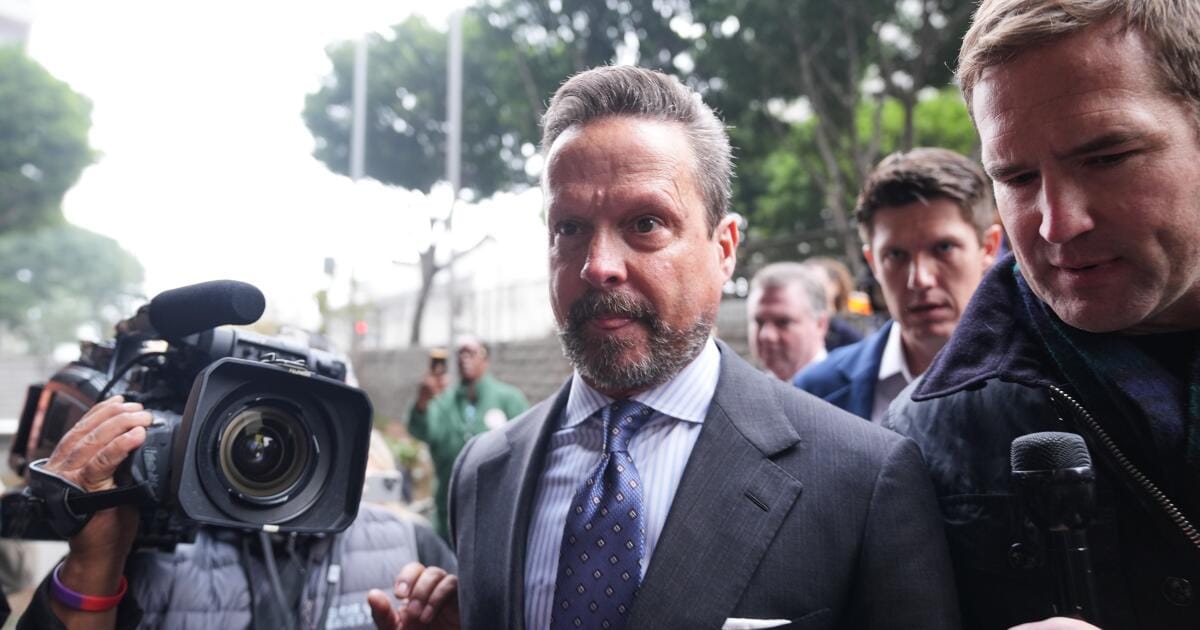
It’s important to understand who Alan Jackson is. He’s not some small-time public defender. He’s a former prosecutor, a big-shot lawyer known for handling complex, high-profile cases with a certain amount of swagger and strategic brilliance. He’s the kind of lawyer you hire when you believe you have a chance at victory, or at least a chance to create enough reasonable doubt to keep your client out of prison. For Jackson to abandon the case moments before Reiner’s scheduled arraignment, with the court date looming and the media circus in full swing, suggests a complete and utter breakdown in the lawyer-client relationship, a discovery of evidence too damning to overcome, or perhaps a sudden realization that the client is simply too toxic to touch.
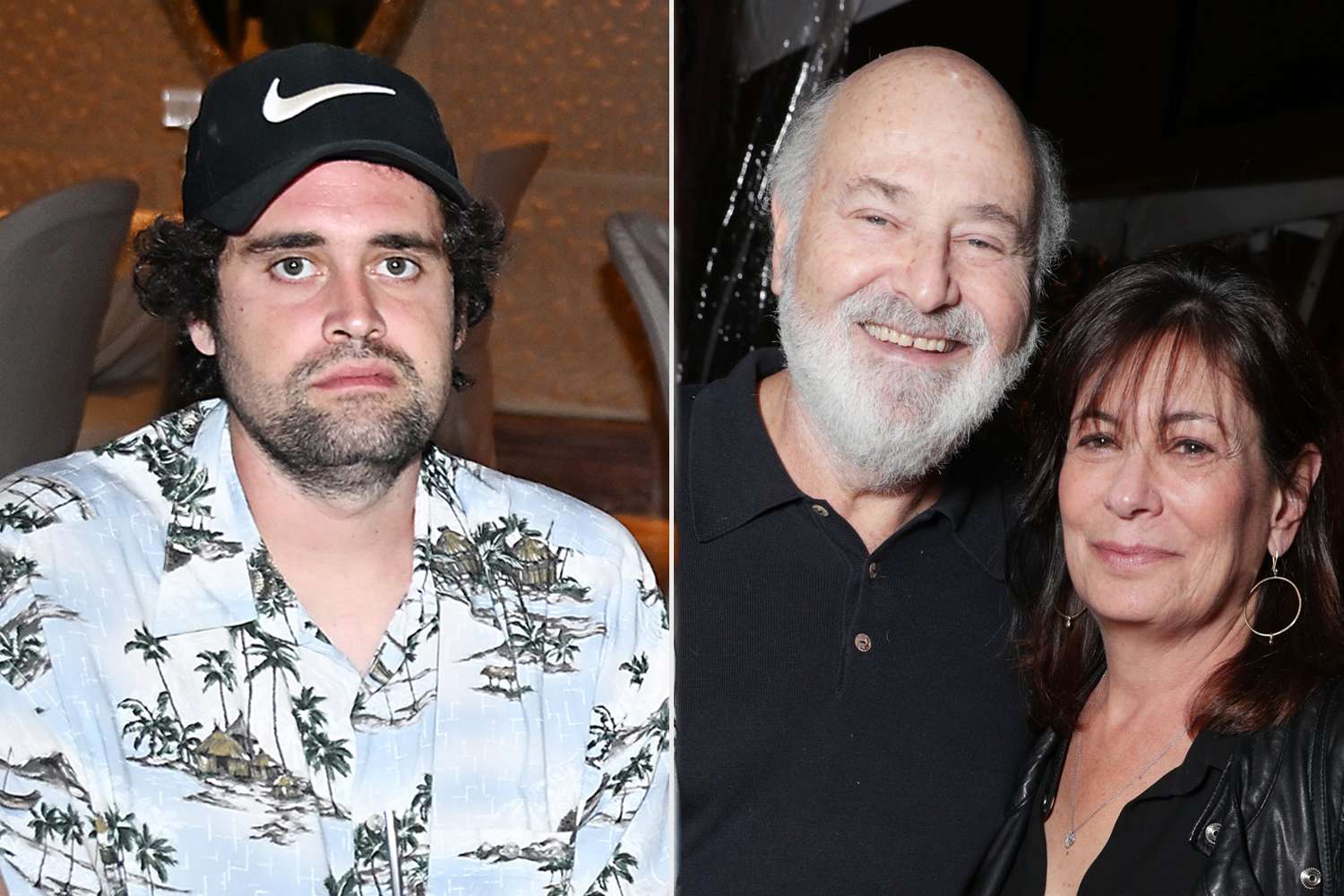
When you look at the sequence of events, a chilling picture emerges: Reiner, accused of patricide and matricide—killing both his 78-year-old father and 70-year-old mother—initially secures one of the best defense minds in the business. Jackson, presumably, reviewed the initial evidence, spoke with Reiner, and determined there was a viable defense strategy, perhaps centered on mental health issues or a plea bargain based on some mitigating circumstances, which is often the go-to strategy in cases involving extreme violence within a family, or maybe he simply believed in Reiner’s innocence (a rare commodity for defense attorneys, but a powerful one when it happens).
But then, something changed. Suddenly, Jackson is gone, and Reiner is left scrambling for a public defender. This isn’t a simple ‘disagreement over fees,’ which is the usual euphemistic excuse when lawyers abandon high-profile clients; this move screams of something deeper. Did Jackson uncover something truly incriminating during his preliminary investigations? Did Reiner confess something to Jackson that crossed an ethical line, perhaps a detail so horrific that Jackson couldn’t ethically continue to represent him while maintaining a ‘not guilty’ plea?
What Does This Lawyer Swap Actually Mean for Reiner’s Future?
The implications here are staggering, and they are almost universally negative for Nick Reiner. The public perception shifts from ‘he’s innocent until proven guilty, let’s see what a high-powered defense team can do’ to ‘he must be guilty if even his superstar lawyer wouldn’t touch this case.’ The optics alone are terrible for the defendant. This creates an immediate narrative for the prosecution: The defense knows they have no case. They tried to find a way out, and they failed. They’re now left with the legal equivalent of a skeleton crew, facing a well-funded, motivated prosecution team.
A public defender, while often dedicated and highly skilled, rarely has the resources available to a lawyer like Jackson. Jackson’s firm would have access to top-tier private investigators, expert witnesses in forensics and psychology, and the ability to conduct extensive background checks on potential jurors. A public defender, in contrast, often juggles a massive caseload with limited budgets and staff. This isn’t just a downgrade; it’s a critical disadvantage in a case that demands thorough investigation and complex maneuvering. The entire dynamic of the trial changes, moving from a battle of equals to a rout.
Jackson’s withdrawal also raises serious questions about Reiner’s mental state and reliability as a client. High-profile lawyers often require clients to follow specific directions, keep their stories straight, and maintain a certain level of composure during proceedings. If Reiner proved difficult, erratic, or unwilling to cooperate with Jackson’s instructions—perhaps by insisting on a defense strategy Jackson knew would fail—the attorney-client relationship would quickly deteriorate. This isn’t just about winning or losing; it’s about Jackson protecting his reputation, ensuring he isn’t associated with a public relations disaster that could damage his brand.
The move also suggests a potential conflict of interest that arose. Perhaps Reiner wanted to pursue a defense based on a ‘diminished capacity’ plea, claiming mental health issues, but Jackson realized the evidence—like a pre-meditated plan—contradicted that defense. In such cases, lawyers must withdraw to avoid ethical violations. The timing is particularly noteworthy; withdrawing just before the arraignment, when a plea must be entered, suggests a last-minute disagreement on the plea strategy itself. Was Reiner demanding a ‘not guilty’ plea when Jackson knew a ‘guilty’ plea with a mental health angle was the only chance for leniency?
The Motive and The Legacy: What Really Happened to the Reiner Parents?
This case, like so many involving patricide, often hinges on motive and history. While the immediate reporting focuses on the legal maneuvering, the deeper story likely involves years of familial discord, financial pressure, or perhaps a significant inheritance dispute. The Reiner name itself carries weight; Rob Reiner, an older gentleman, and Michele Singer Reiner, his wife, were part of a generation with specific expectations and assets. Nick Reiner’s position as their son places him squarely in line for an inheritance, which, in high-stakes murder cases, is often the most significant and chilling motive of all.
If Reiner was motivated by inheritance, the prosecution’s job becomes much easier. The defense would then need to counter with a compelling narrative that shifts blame, perhaps arguing that Reiner was driven to violence by emotional abuse or manipulation from his parents, or by severe mental health instability. The shift to a public defender, however, severely limits the ability to explore these nuances effectively. A public defender simply doesn’t have the time to craft the complex psychological profile required to make such a defense credible to a jury.
We’ve seen this play out before. When famous or wealthy individuals fall into disgrace, the money and legal resources dry up almost instantly. The high-powered lawyers are in it for the win and the spotlight; when they smell a losing battle, they cut and run to protect their image. This isn’t loyalty; it’s pragmatism. Jackson’s decision, therefore, isn’t just bad news for Reiner; it’s a cold-blooded assessment that the case is a non-starter. Reiner is likely to face a swift and decisive defeat unless something truly unexpected emerges from the woodwork.
The implication here is that Nick Reiner’s defense has completely collapsed. The prosecution, seeing this lawyer swap, will feel invigorated. They’ll know they have the advantage in resources, strategy, and public opinion. The likelihood of a favorable outcome for Reiner, already slim in a high-profile case involving patricide, just plummeted. The public defender is now left to pick up the pieces of what appears to be a sinking ship, trying to salvage something from a wreck where the initial captain has already abandoned the vessel.
The Future Outlook: From Arraignment to Trial
The arraignment, now handled by the public defender, will likely see a standard ‘not guilty’ plea. The defense’s immediate strategy will be to buy time, request continuances, and attempt to review the massive amounts of discovery evidence provided by the prosecution. However, the prosecution will likely push for a speedy trial, knowing that the defense’s resources are now limited and the initial shock of the lawyer swap is still fresh in the public consciousness.
This situation also raises potential ethical issues for the public defender’s office. They are now tasked with defending a client in a case where a previous, highly skilled defense attorney essentially signaled guilt by withdrawal. This puts immense pressure on the new attorney to perform miracles with minimal resources. The public defender’s office will face scrutiny from both the media and the legal community; if they fail to mount a competent defense, they will be criticized for not doing enough, but if they put up a vigorous fight, they risk accusations of wasting state resources on an open-and-shut case. The pressure on the new attorney will be immense, and they will likely have to navigate a complex legal and ethical minefield, all because Jackson decided to walk away when the going got tough.
In the end, this entire saga feels like a Hollywood drama—and a particularly dark one at that. The son of a well-known family, accused of a heinous crime, loses his superstar lawyer at the last possible second, forcing him into the arms of an underfunded public defender. The narrative writes itself, and it doesn’t end well for Nick Reiner. This isn’t just news; it’s a cautionary tale about how fast things can fall apart when the truth starts to surface, and how even the best lawyers recognize a losing battle when they see one. The trial, when it finally arrives, will be less a search for justice and more a formality confirming what everyone already suspects: The high-profile lawyer abandoned the ship for a reason, and that reason is probably guilt.