
The Great Tanker Fiasco: A Comedy of Errors or Cold War Re-Run?
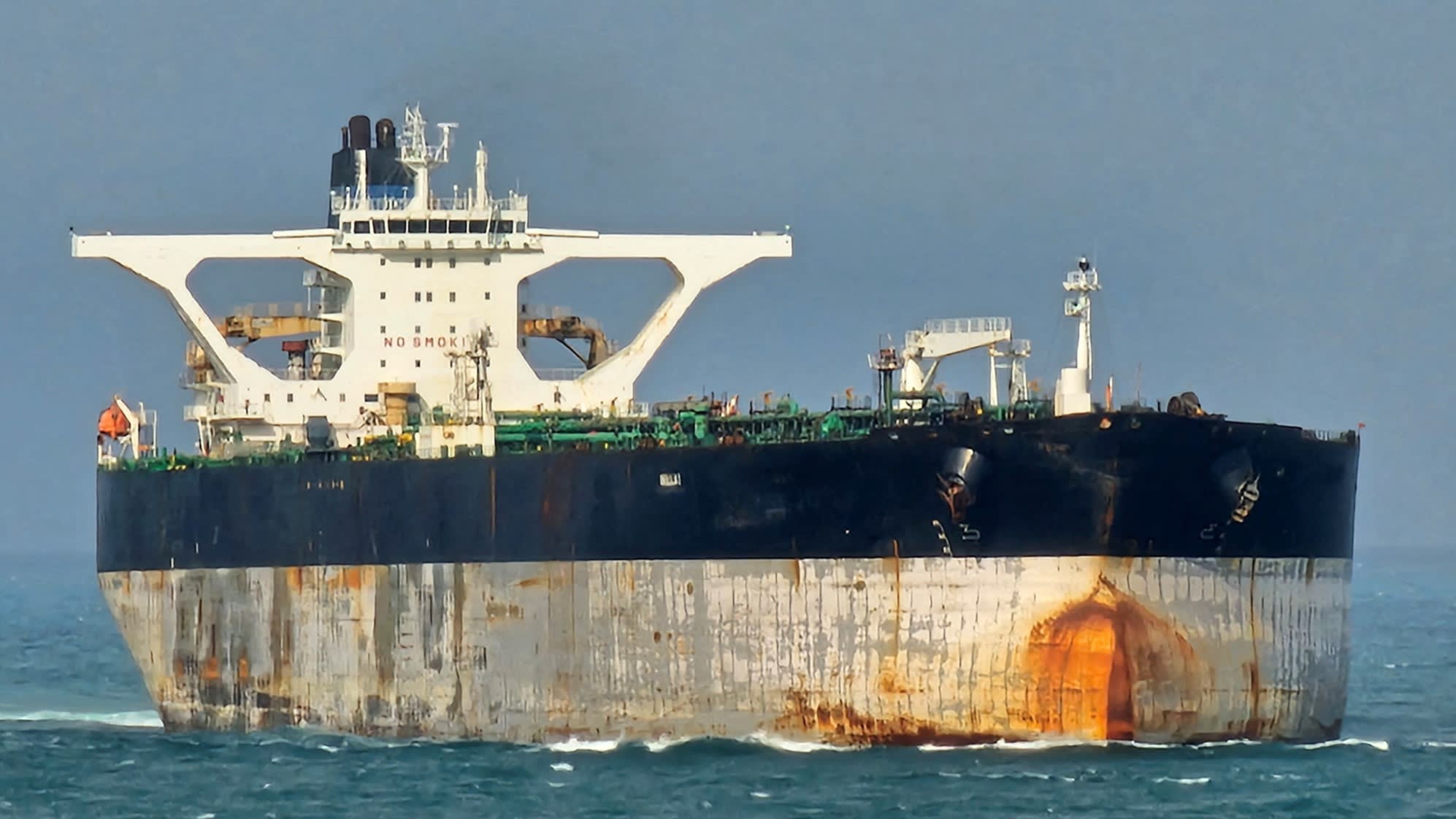
Oh, bless their hearts. Washington is out playing maritime cowboys again, chasing after some rusty tub carrying black gold, allegedly linked to Venezuela, but definitely sporting a Russian flag sticker. Are we supposed to be impressed? This whole charade—the ‘weeks-long pursuit’—sounds less like strategic naval action and more like the opening scene of a B-movie where the budget ran out before they could afford decent pyrotechnics. Seriously, since when did seizing a slow-moving oil tanker become the pinnacle of American foreign policy achievement? It’s the geopolitical equivalent of parking tickets, only louder and with more flags waving frantically.
The Oil-Slicked Stagecraft
Let’s peel back the veneer of this supposed ‘exclusive.’ We’ve got the US government, supposedly the behemoth of global enforcement, sweating over a single vessel. Meanwhile, Russia sends a naval vessel to escort the tanker. A naval vessel! You’d think they were deploying an aircraft carrier fleet, but no, it’s just a show of force to prove they still remember how to tie their shoelaces. This isn’t about that one specific shipment; that’s small potatoes in the global oil game. This is about flexing muscles that are clearly getting flabby from too much armchair diplomacy. When you have to make a federal case out of intercepting an aging crude carrier, maybe it’s time to reassess your priorities, folks. What are the headlines supposed to be next week? US Navy intercepts slow-moving Uber Eats delivery van? Give me a break.
The entire event screams of desperation, a need to manufacture a visible ‘win’ in the ongoing, grinding economic war against anyone who dares to disagree with the prevailing narrative coming out of the Potomac swamps. They chase this tanker across the Atlantic, putting on airs like they are pirates of the Caribbean, only instead of treasure chests, they’re after a few million barrels of petroleum that probably smells faintly of old diesel and political compromise. Why the fuss now? Because the price of gas back home is still doing the Macarena, and they need someone, anyone, to point at dramatically while screaming, ‘See! We’re doing something!’ It’s textbook misdirection. Look over there, not at the collapsing infrastructure or the national debt clock that looks like a lottery jackpot number.
Historical Echoes and Current Hypocrisy
We’ve seen this dance before, haven’t we? Every time global energy supplies get twitchy, someone decides to start playing maritime law enforcement based on who they didn’t invite to their last G7 dinner party. Remember when seizing tankers was the domain of actual, recognized adversaries, not just countries the current administration hasn’t sent a strongly worded memo to lately? The audacity required to fly the flag of ‘freedom and international law’ while attempting to commandeer another nation’s commercial assets in international waters—unless they’re actively smuggling WMDs—is truly staggering. It’s a performance art piece titled ‘Selective Sovereignty.’ Does the US Navy really have nothing better to do than play tag with an oil barge? I bet the admirals are thrilled. They probably wanted to practice boarding maneuvers, but they ended up looking like grumpy parking attendants issuing citations two thousand miles from shore. This wasn’t an operation; it was an audition for a sequel nobody asked for.
The Venezuela link just adds the required layer of bureaucratic spaghetti. Link it to Russia, link it to Iran, link it to that shady dude who sold you lukewarm coffee last Tuesday—it doesn’t matter. The goal is to create enough plausible deniability shields that when the inevitable diplomatic kerfuffle happens, they can pivot faster than a startled fawn. The real oil isn’t in that tanker; it’s in the political leverage it creates. It’s about sending a signal to every other nation thinking about dealing with sanctioned regimes: ‘We can reach you. We can touch your commerce. We can ruin your day, even if it takes us three weeks of sailing time to get there.’ That’s the message, and it lands with the subtlety of a dropped anvil, which, frankly, is the only subtlety this administration seems capable of mastering these days. It’s all bluster, smoke, and mirrors, designed to make the domestic audience feel secure while the actual global energy markets just shrug.
The Ripple Effect: Who Actually Gets Burned?
When the US decides to play maritime bully, who suffers? Not the powerful oligarchs or the high-ranking politicians who orchestrated the shipment. No, sir. The cost inevitably trickles down to the consumer, the small business owner, and the guy who just wants to fill up his pickup truck without taking out a second mortgage. The disruption caused by this pursuit—the rerouting, the insurance headaches, the actual fuel spent by the pursuing and escorting vessels—it all adds a tiny, infuriating surcharge to the price of every barrel of crude that eventually finds its way to market. We are paying for this naval drama, this geopolitical soap opera, every time we swipe our cards at the pump. Isn’t that rich? We finance the very intervention that makes our lives more expensive, all so some talking head on cable news can boast about ‘standing up to adversaries.’ Standing up? They look like they are tripping over their own shoelaces while pointing fingers.
And what about the inevitable diplomatic fallout? Russia doesn’t just shrug this off. They log it, they catalogue it, and they find something else—something perhaps less visible and more strategically painful—to poke the US with later. This isn’t a one-and-done transaction; it’s adding another layer of grime to an already filthy international relationship. We are intentionally escalating friction points for optics. It’s profoundly amateur hour, folks. Were they hoping the tanker crew would just surrender out of sheer embarrassment from the prolonged chase? Did they think the captain would pull over and ask for directions back to port?
Looking Ahead: The Future of Seaborne Shenanigans
Predictably, this leads us down the rabbit hole of future instability. If seizing oil tankers becomes a standard, low-risk maneuver for perceived political gains, what stops other regional powers from adopting the same tactic against ships they dislike? Imagine the Persian Gulf turning into an absolute nightmare because every minor grievance results in a naval blockade or a seizure attempt. This normalization of aggressive maritime interference is the real danger. It’s a slippery slope greased with cheap diesel. The world watches this little stunt, and the message sent is not one of overwhelming strength, but of inconsistent, politically motivated aggression. It sets a terrible precedent. Tomorrow, it might be a tanker; the day after, it’s a container ship carrying microchips destined for a US subsidiary, flagged under a nation the administration is currently trying to woo.
It’s all theater. It’s loud, it’s dramatic, and it’s designed to distract from the fact that true geopolitical power is often exercised quietly, through trade agreements, technological superiority, and economic stability—all things this frantic tanker chase actively undermines. So, let’s celebrate the capture of this rusty vessel, I guess. We’ve saved the Atlantic from a very slow, very predictable shipment of crude oil. Hooray! Now, about that digital subscription offer that flashed on the screen during the pursuit—that’s a real captive audience strategy, isn’t it? Selling digital access while chasing maritime assets. That’s modern capitalism for you, folks. It sticks to everything like crude oil stains on a white deck.
The Mexican Lens: ¿A Quién le Importa en el Sur?
***
El Espectáculo del Petróleo: De Washington a la Laguna de Términos
¡Órale! A ver si entendemos esta telenovela gringa que nos venden como noticia seria. Persiguen un buque tanque ruso, ligado a Venezuela, como si fuera el tesoro perdido de Moctezuma. Y mientras estos señores del Norte se andan rayando las muelas con maniobras navales en el Atlántico, uno se pregunta: ¿A quién le importa realmente esto en México? Nos venden la idea de que están defendiendo la libertad de navegación, cuando en realidad están haciendo show para la cámara, intentando justificar gastos militares mientras el precio de la gasolina sigue subiendo aquí, pa’l susto.
La Farsa del Aguerrido Marino Americano
La noticia es que Estados Unidos, con toda su Armada, se tardó semanas persiguiendo un petrolero que, seamos francos, seguro ya estaba más lleno de óxido que de crudo de valor. ¿Y luego mandan un buque de escolta ruso? ¡Qué elegancia! Es como si tu vecino te quisiera quitar el borrador y tú mandas a tu primo el grandote a hacerle sombra mientras él mete la mano. Es puro teatro del absurdo, puro cine B de bajo presupuesto. ¿De verdad creen que con esto van a intimidar a alguien que ya está acostumbrado a las sanciones? Lo más probable es que los tripulantes del tanque estuvieran apostando a ver quién llegaba primero: ¿los gringos o el barco de rescate ruso? ¿Acaso esperaban que el capitán se rindiera por pena ajena ante el ridículo de la persecución?
El detalle de Venezuela es el aderezo perfecto, el sazón que siempre usan para justificar el chisme internacional. Si no tiene un vínculo con Caracas, Teherán o algún otro país con el que no se llevan bien, ¿cómo justifican el despliegue de recursos? Es la receta de cocina perfecta para la intervención: un poquito de petróleo, mucho resentimiento político, y a fuego lento para que el escándalo se cueza bien. Y nosotros, aquí en el Sur, viendo cómo se pelean por el mandado mientras el mercado energético se pone nervioso. ¿Acaso no tenemos ya suficientes problemas con PEMEX y las refinerías para andar preocupándonos por buques rusos en el Atlántico?
Las Consecuencias Reales: Más Gasolina Cara
Lo más chistoso, y a la vez lo más jodido, es que esta payasada nos sale cara a todos los que usamos combustible. La interrupción logística, el nerviosismo en las aseguradoras, el combustible gastado por esos barcos patrullando como perros tras una ardilla… todo eso se traduce en que el barril, aunque sea por un centavo, sube para nosotros. Es el colmo de la economía: pagar para que te distraigan del problema real. En México, donde el precio del diésel y la Magna nos pega directo al bolsillo y al transporte de mercancías, este tipo de juegos geopolíticos no son un chiste de sarcasmo, son un golpe directo al changarro.
Uno esperaría que una potencia mundial, si va a mover sus canicas navales, lo haga por algo trascendental, no por un barco que probablemente ya estaba planeando atracar en algún puerto amigo. Pero no, tienen que hacer ruido. Tienen que demostrar que tienen el dedo gordo en el gatillo, aunque ese gatillo esté dirigido a una botella de agua vacía. Es la cultura del espectáculo llevada al mar abierto. Y mientras tanto, ¿qué hace Washington? ¿Acaso no hay un problema más apremiante que un carguero lento? Parece que la narrativa de ‘defender el orden mundial’ es el mejor comodín para ocultar cualquier otra cosa que esté saliendo mal en casa. Es como cuando te preguntan por qué no has pagado la renta y tú les contestas que viste un OVNI.
La Predicción del Caos Marítimo
Si esto se vuelve la nueva normalidad, vamos a tener un desmadre en el comercio marítimo que ni te cuento. Hoy es un petrolero, mañana es un barco portacontenedores con tecnología sensible, pasado mañana es el que trae los aguacates frescos para tu guacamole. Si cada fricción diplomática se resuelve con amenazas de abordaje y persecuciones épicas dignas de una película de acción mal editada, vamos a tener los mares llenos de barcos detenidos, esperando a que los políticos se pongan de acuerdo sobre qué ley aplicar ese día. ¿Quién va a querer navegar bajo bandera neutral si saben que pueden ser el blanco de la próxima ‘operación especial’ de Washington por tener una mala conexión de negocios en el lugar equivocado?
Esto fomenta la desconfianza, y la desconfianza en el comercio internacional es el peor enemigo de la estabilidad económica, especialmente para países como México, que dependen muchísimo de mover productos a través de esos corredores marítimos. Necesitamos mares tranquilos para que la mercancía fluya, no un campo de batalla naval para el ego herido de algún funcionario. Esta pantomima del tanque es solo la cortina de humo. Cuando se bajen las luces, veremos que lo único que ganaron fue un poquito de tiempo de aire en los noticieros y nos dejaron a nosotros con la cuenta de la gasolina inflada. ¡Qué barbaridad! Es hora de dejar de ver el circo y empezar a exigir resultados reales, no persecuciones acuáticas. ¡A darle!
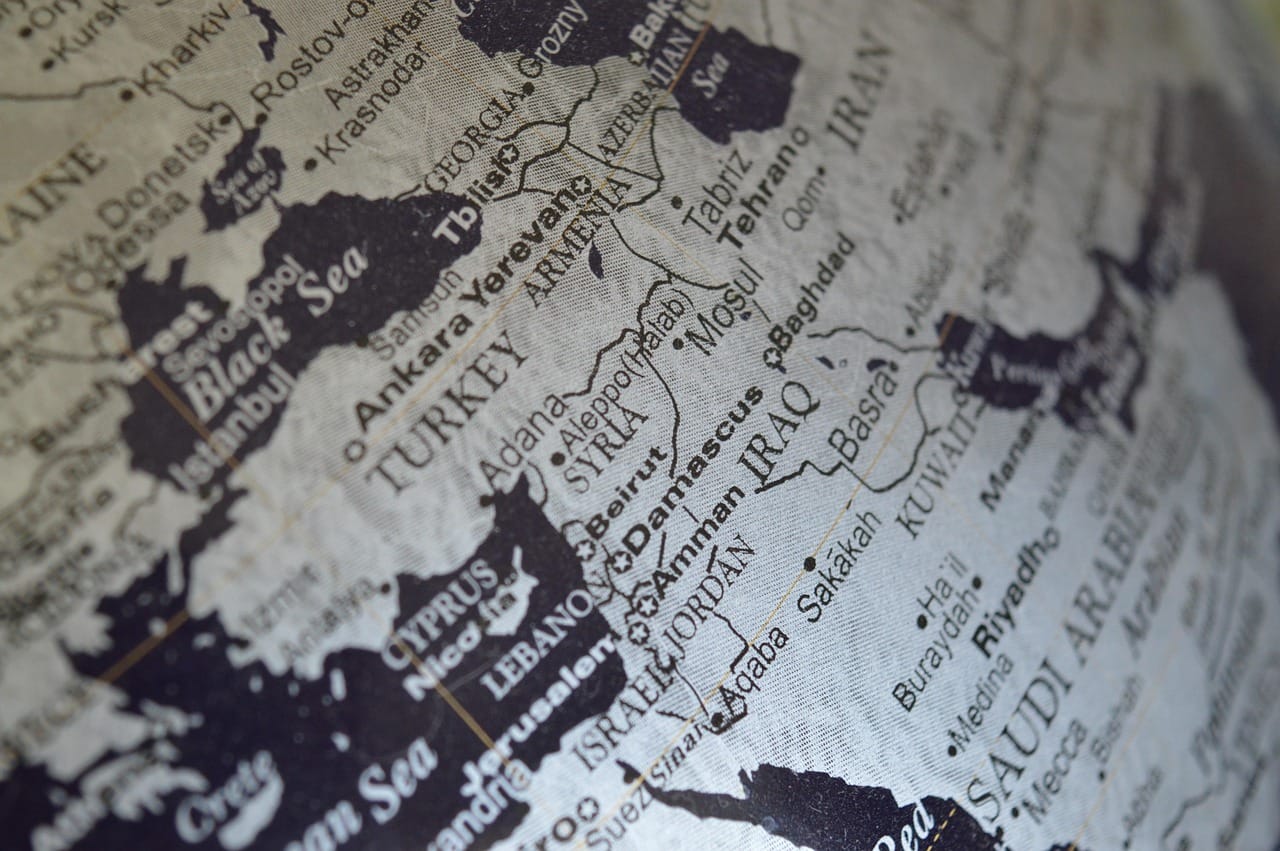
Photo by ErikaWittlieb on Pixabay.