The Unvarnished Cost of the Blue Line: A Cold Analysis of Uxbridge’s Latest Casualty
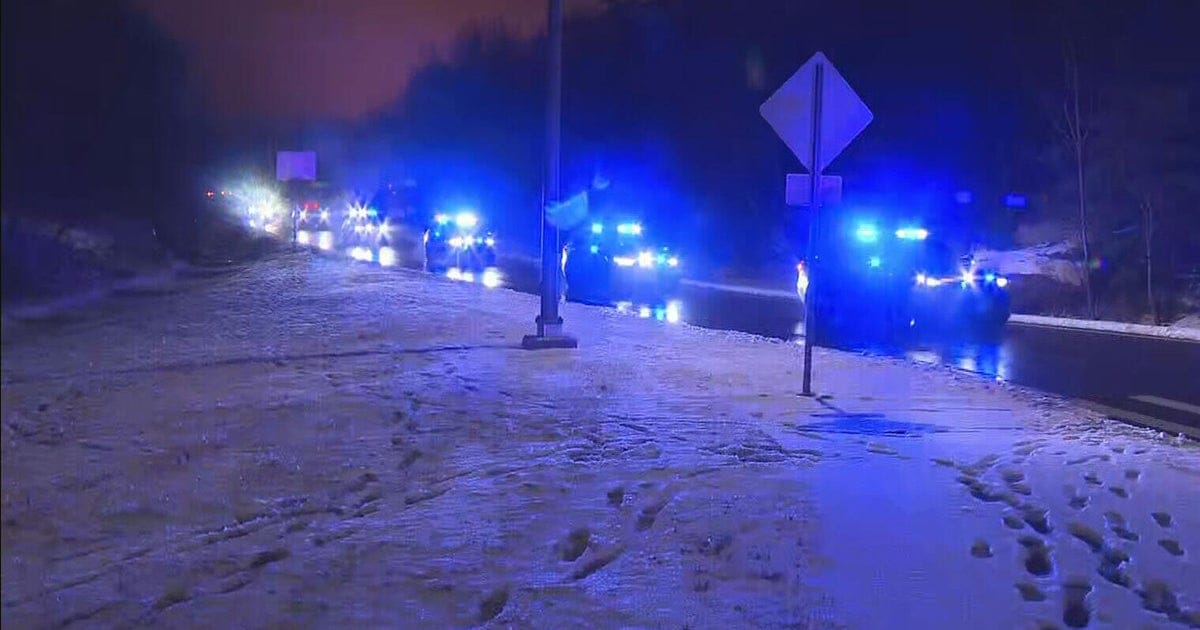
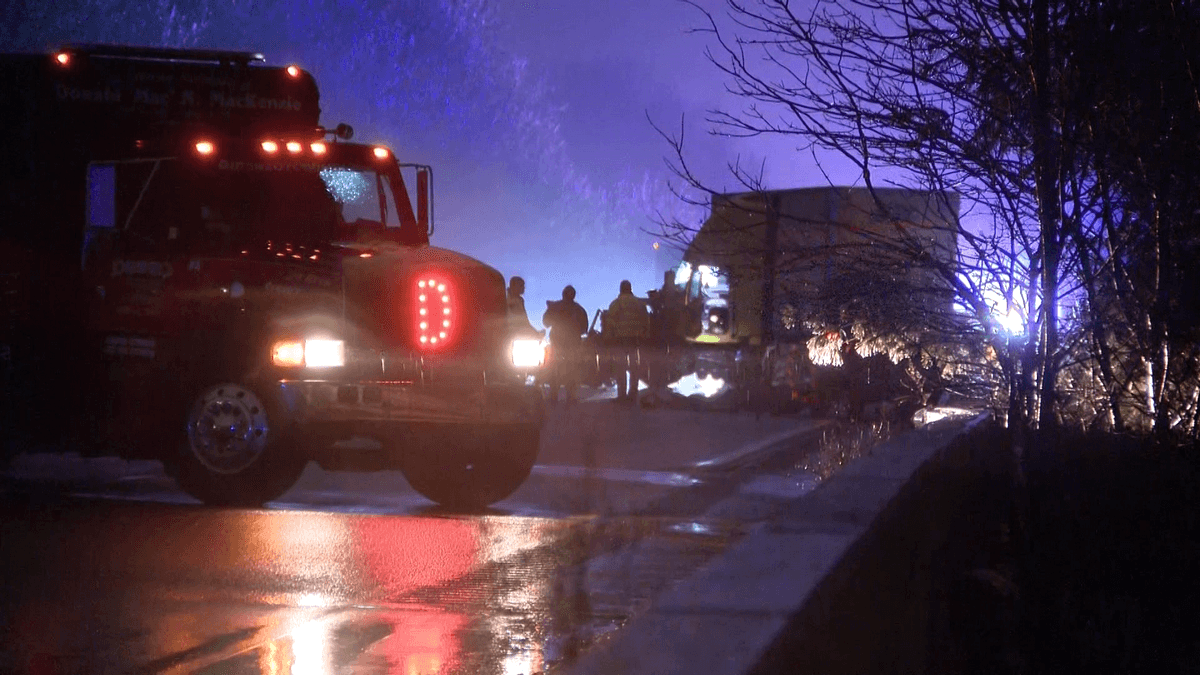
The sudden, brutal cessation of a human life, particularly one ostensibly dedicated to public service, serves as a stark, inconvenient reminder that the intricate machinery of societal order frequently grinds individuals into dust with an almost mechanical indifference, revealing fissures in infrastructure, training, and strategic foresight that typically remain comfortably obscured beneath layers of bureaucratic platitudes and performative grief. The recent tragedy involving an Uxbridge police officer on Route 146 (while assisting a motorist, no less, a scenario fraught with inherent, often underestimated peril) is not merely a local headline; it’s a cold, hard data point in a much larger, grim ledger that too many prefer to ignore, sweeping uncomfortable truths under the rug of sentimentality.
This isn’t about teary-eyed eulogies or the facile ‘hero’ trope, though those sentiments, naturally, have their place in the immediate aftermath for those directly affected; no, this is about dissecting the event with the surgical precision of a strategist, peeling back the layers to understand what this single, devastating incident truly signifies for the broader landscape of law enforcement, public safety, and the unspoken societal contract. It’s a bitter pill to swallow, but someone has to do it, because dodging these realities is how we end up in the same tragic loop, time and again. We need to get real.
Every uniform draped over a flag is a chilling signal, not just of individual loss, but of systemic cracks, a warning light flashing on the dashboard of public administration. This particular incident, an officer aiding a stranded citizen on a busy highway, highlights a critical, perennial vulnerability: the routine unpredictability of roadside interactions. It’s a high-stakes lottery every time, and the odds, frankly, aren’t always in favor of the badge. This demands more than just a moment of silence; it demands a strategic reckoning, a deep dive into the ‘why’ behind the ‘what,’ because failing to do so is a dereliction of collective duty. The clock is always ticking.
The Immediate Fallout: More Than Just a Life Lost, A System Strained
When an officer goes down, the ripples spread far beyond the immediate family and department; it’s like a stone dropped in a pond, creating concentric circles of impact that affect budgets, morale, public perception, and even the very fabric of community trust, often eroding the delicate balance between protection and apprehension. The immediate operational cost alone is staggering: a thorough investigation, which is no small feat (involving state police, accident reconstruction teams, and often forensic specialists, each commanding significant resources and expertise), drains manpower and time from other critical duties, essentially creating a temporary vacuum in daily policing capacity that criminal elements are always eager to exploit. It’s a logistical headache, to put it mildly.
There’s the psychological toll on fellow officers, naturally, who now must grapple with the stark reality of their own mortality, a weight that too often goes unaddressed until it boils over in stress-related incidents or, worse, mental health crises; it’s a constant tightrope walk between stoicism and vulnerability. It’s an unavoidable, brutal reality check, a grim reminder that every shift could be their last, affecting everything from response times to community engagement, because fear, even when suppressed, has a way of manifesting. Then, of course, you have the vehicle itself. A police cruiser involved in a serious crash isn’t just a bent fender; it’s a specialized, expensive piece of equipment, often custom-fitted with communication gear, computers, and protective elements, now likely a total loss or requiring extensive, costly repairs that eat into already strained municipal budgets. And what about the legal ramifications? Depending on the specifics of the incident (was negligence involved, either on the officer’s part or another party, a question often buried under bureaucratic obfuscation?), the municipality could face protracted legal battles, insurance hikes, and public relations nightmares, all of which chip away at already strained municipal coffers, draining resources that could otherwise fund preventative measures or community programs. It’s a domino effect, a chain reaction of expenses and liabilities that few outside the policy wonks truly appreciate, even fewer understand, yet everyone pays for in the end. This isn’t just about a tragic individual; it’s about the financial and systemic overhead that inevitably lands on the taxpayers’ laps. It’s the cold, hard truth.
Unpacking the Systemic Vulnerabilities: Route 146 and Beyond
Let’s not kid ourselves; incidents like this are rarely freak accidents, one-off unfortunate events that defy all logic. They are often, if you read between the lines, the culmination of a confluence of factors, a systemic failure point disguised as an unfortunate happenstance, revealing underlying flaws in design, training, and resource allocation. Route 146, a state highway, isn’t unique in its capacity for danger; many such arteries, especially those with high speed limits, blind curves, insufficient lighting, and limited shoulders, become death traps when ordinary citizens or, critically, first responders, must operate on them, particularly in inclement weather or during peak traffic hours. Was the officer’s patrol vehicle adequately visible (beyond just standard emergency lights, perhaps requiring enhanced reflective markings or auxiliary warning systems)? Were proper safety protocols for roadside assistance rigidly followed (flares, cones, positioning of the cruiser to create a ‘safe’ zone, the precise angle of the wheels as a last resort barrier)? These aren’t minor details; they are the bedrock of officer safety, and sometimes, frankly, they get overlooked in the rush to ‘assist’ someone, or due to a lack of proper equipment or updated training. We are talking about human error and systemic oversight, after all, a blend that proves lethal far too often. It’s a complex stew.
One must consider the quality and frequency of defensive driving training specifically tailored for emergency response scenarios. Is it sufficient, or are we still teaching techniques from a bygone era? Is it regularly updated to reflect new vehicle technologies (e.g., advanced driver-assistance systems that could mitigate collision risks) or changing traffic patterns (the increase in distracted driving, the prevalence of larger, faster vehicles)? Or are we operating on outdated curricula, hoping for the best and relying on sheer luck? What about the design of police vehicles themselves? While robust in construction, are they truly optimized for stationary roadside tasks in high-speed traffic environments, or are they primarily built for pursuit and patrol, leaving a significant safety gap in other critical operational contexts? This isn’t to blame the officer (God forbid, that’s not the point, which seems to get lost on many); but to critically examine the *tools* and *environments* we place them in, understanding that every piece of equipment and every policy decision carries inherent risk. The cold calculus of risk versus reward for these situations needs constant recalibration, a never-ending process of assessment and adaptation, otherwise we’re just rolling the dice. It’s plain common sense.
Furthermore, the very nature of ‘assisting a motorist’ has changed dramatically. It’s no longer just a flat tire on the shoulder; it can involve complex situations with distracted drivers (eyes glued to their phones, a modern plague on our roadways), impaired individuals (from alcohol, drugs, or even severe fatigue), or even, in our increasingly volatile world, individuals with malicious intent, turning a routine stop into a deadly ambush. Are officers truly equipped, beyond basic training, to assess and mitigate the myriad, evolving risks associated with such seemingly benign interactions? Do they have the technology, the real-time intelligence, the psychological training to handle situations that can escalate from zero to sixty in a blink? It’s a messy world out there, and the stakes are constantly rising, demanding a new level of strategic preparedness that frankly, many departments aren’t equipped to provide without significant investment and rethinking. It’s a tough nut to crack.
A Glimpse into the Past: History’s Repetitive Narratives and Unlearned Lessons
Officer fatalities in the line of duty are, sadly, as old as organized policing itself. From the beat cop shot in a back alley during the Prohibition era (a time of rampant lawlessness, where the lines between criminal and civilian blurred, making every encounter a potential life-or-death gamble, demanding raw courage over sophisticated tactics) to the modern officer involved in a high-speed chase, the risks have merely mutated, not disappeared. What’s truly galling, from a strategic perspective, is how often the ‘lessons learned’ from past tragedies seem to evaporate into thin air, only to be relearned at immense human cost, a cycle of reactive measures rather than proactive prevention. We’ve seen countless initiatives over the decades: improved ballistic vests, better vehicle designs (from reinforced bumpers to crumple zones), enhanced communication systems (from crackling radios to encrypted digital networks), and more rigorous training protocols. Yet, traffic-related incidents remain a persistent, stubborn killer of law enforcement personnel, often overshadowing other, more sensational causes of death like firearms, which tend to capture more media attention, obscuring the silent, insidious threat of the open road. It’s a cruel irony.
Is this a failure of implementation, where well-intentioned policies never quite make it to the frontline? A lack of funding for necessary upgrades, leaving departments perpetually behind the curve? Or perhaps a deeper, more philosophical issue—an acceptance that some level of ‘acceptable loss’ is inherent in the profession, a grim cost of doing business? The strategic mind recoils at such fatalism, seeing it as a capitulation to preventable tragedy. Every death should trigger a full-spectrum review, not just of the immediate circumstances, but of the wider systemic apparatus that allowed it to happen, analyzing everything from road engineering to officer fatigue. Are we truly learning from history, extracting actionable intelligence from every past incident, or are we just dusting off the same old playbooks after every fresh tragedy, engaging in a form of performative mourning? It feels like Groundhog Day sometimes, a repeating loop of grief and forgotten lessons. It’s enough to make you scream.
Historically, the immediate aftermath of such incidents often sees a surge in public sympathy, a brief moment of unity where the sacrifices of law enforcement are acknowledged, and political promises of ‘never again’ echo through the halls of power. But this window of opportunity for meaningful, systemic change often closes quickly, replaced by political posturing, budget squabbles, or, worse, a return to business as usual, allowing the underlying problems to fester. This cyclical pattern is a significant impediment to genuine progress, keeping us trapped in an endless loop of preventable tragedies, a silent testament to our collective inertia. It’s a real head-scratcher how we keep missing these obvious cues.
The ‘Hero’ Narrative: A Strategic Blind Spot?
The immediate instinct, understandable as it is, is to lionize the fallen officer, to brand them a ‘hero,’ a martyr to public service, someone whose sacrifice is beyond reproach or critical examination. While noble in sentiment, this narrative, from a cold strategic vantage point, can be a double-edged sword. By focusing exclusively on individual heroism, on the bravery of one person in the face of impossible odds, we inadvertently deflect attention from the systemic failures, the policy gaps, and the environmental factors that contribute to such tragedies, obscuring the very mechanisms that could prevent future losses. It’s like admiring the bravery of a soldier on a poorly designed battlefield rather than questioning the general’s strategy, praising the outcome of a flawed system rather than fixing the system itself. This isn’t about diminishing the individual’s sacrifice; it’s about demanding better from the system that placed them in harm’s way, for their sake and for the sake of those who follow. That’s the pragmatic truth, folks, and it’s time we faced it head-on.
When we say, ‘They died doing what they loved,’ or ‘They made the ultimate sacrifice,’ while emotionally resonant and comforting in the moment, these phrases can subtly excuse the institutions from performing the critical self-assessment needed to prevent future occurrences, creating a culture where ‘heroism’ becomes a substitute for systemic accountability. The true ‘heroism’ should be in the collective will to meticulously examine every detail, to invest in robust preventative measures, and to continuously adapt to evolving threats, rather than merely celebrating the consequence of a system’s vulnerability. That’s the pragmatic truth, folks, and frankly, it’s a hard pill to swallow for many. This isn’t a popularity contest.
What’s more, the constant pressure to maintain a certain image of invincibility or unwavering dedication can sometimes discourage officers from reporting safety concerns or questioning potentially risky protocols, fearing it might be perceived as weakness or a lack of commitment, a crack in the ‘blue wall’ of stoicism. This cultural element, while intangible, can have tangible, lethal consequences, creating an environment where critical feedback is stifled, and warning signs are ignored until it’s too late. It’s a vicious cycle, trapping those meant to protect within a system that often fails to protect them. It’s a dog-eat-dog world, and sometimes the dog is the system itself.
Future Predictions and Policy Re-calibration: A Path Forward?
Looking ahead, the Uxbridge incident (and others like it) *should* compel a rigorous re-evaluation of policies and technological implementations, moving beyond mere incremental changes to a more radical, data-driven overhaul. Could advanced warning systems for roadside incidents be deployed more widely, leveraging IoT sensors and predictive analytics to identify dangerous stretches of highway and alert both drivers and first responders in real-time? (Think smart highways with dynamic signage that instantly warns of an incident ahead, or even AI-powered drones that can assess accident scenes remotely before human intervention.) What about autonomous roadside assistance vehicles or even drones that could assess situations before human officers are put at risk, creating a safer initial perimeter? These aren’t futuristic pipe dreams; they are within the realm of current technological capability, needing only the political will and the strategic investment to implement them at scale. The future is now, if we choose it, if we’re brave enough to embrace it. We have the tools; do we have the spine?
We must also look critically at infrastructure design. Can we redesign dangerous stretches of road to include safer pull-off areas for emergencies, wider shoulders, better lighting, or even dedicated emergency lanes? Are we optimizing traffic flow to reduce the likelihood of high-speed collisions in specific zones, perhaps through variable speed limits or intelligent traffic management systems that adapt to real-time conditions? These are massive undertakings, granted, requiring multi-agency collaboration, significant capital expenditure, and a long-term strategic vision, but what is the cost of inaction? More lives? More grief? More headlines that fade into obscurity while the underlying problems fester, becoming endemic? These are rhetorical questions, perhaps, but the answers, or lack thereof, define our commitment to genuine safety and our willingness to learn from past mistakes. It’s time to put up or shut up, and invest in a future where these tragedies become truly rare, not just accepted. No more excuses.
Furthermore, the psychological support structures for law enforcement need significant bolstering. The cumulative trauma of the job, exacerbated by incidents like this, leads to higher rates of PTSD, depression, and suicide among officers, eroding the very foundation of their operational effectiveness. This isn’t a soft issue; it’s a critical strategic concern. A healthy, mentally robust police force is a more effective police force, less prone to errors, more resilient to stress, and more capable of sound judgment under pressure, leading to better community interactions and reduced instances of misconduct. Investing in mental health isn’t charity; it’s an operational necessity, a strategic imperative that pays dividends in both human lives and public trust. It’s plain common sense, actually, a no-brainer if you think about it with a clear head.
The Unseen Toll: Beyond the Headlines, The Shifting Societal Contract
Beyond the immediate human and financial costs, there’s an unseen toll that permeates the community and the institution of policing itself, subtly altering the delicate societal contract that binds citizens and their protectors. Every time an officer dies in the line of duty, it subtly, incrementally alters the public’s perception of risk, authority, and safety. Does it strengthen resolve and foster unity, or does it sow seeds of doubt about the efficacy and safety of public service, leading to increased calls for accountability and even skepticism? Does it push more young people towards law enforcement careers, drawn by a sense of duty and sacrifice, or does it deter them, highlighting the extreme dangers and the often-thankless nature of the job, creating a recruitment crisis? It’s a delicate balance, this societal contract, constantly being renegotiated in the wake of such profound events. It’s a genuine conundrum.
For the police force itself, it’s not just about losing a colleague; it’s about a constant reaffirmation of vulnerability in a profession that often demands an outward show of invincibility, a steely resolve that cannot crack. This internal struggle, this tension between perceived strength and undeniable fragility, can be profoundly corrosive, impacting everything from recruitment and retention to training methodologies and community engagement, sometimes leading to an understandable, yet strategically problematic, insularity. The weight of that badge, literally and figuratively, gets heavier with each loss, each reminder of the razor’s edge they walk. It’s a gnawing reality that eats away at the soul of the force. It’s a thankless job sometimes.
Ultimately, the Uxbridge incident, while tragic for those directly involved and a heartbreaking moment for the community, must serve as a pivot point for a more honest, unsentimental assessment of policing in the 21st century. It’s not enough to mourn; we must analyze, ruthlessly and without sentimentality. It’s not enough to honor; we must adapt, proactively embracing innovation and systemic reform. The cold strategist looks at the wreckage not with sadness, but with a blueprint for preventing the next disaster, understanding that every life lost is a profound failure of foresight and execution. Anything less is a disservice to the fallen and a dereliction of duty to the living, a moral bankruptcy we can ill afford. Let’s get real about it, before another light goes out. This is not rocket science; it’s a matter of strategic will.