Vermont Schools Under Siege: The Real Story Behind the PCB Cover-Up and Merger Mania
Alright, folks, let’s talk about what’s really going down in Vermont, because the official narratives are about as transparent as a politician’s conscience. We’re watching a slow-motion car crash unfold in our schools, a crisis orchestrated by bureaucrats who seem more interested in balance sheets than our children’s breathing lungs or their fundamental right to a quality, local education, and if you think this is just about some dusty old buildings, you’ve got another thing coming, because this is about the soul of our communities and the future of an entire generation being sacrificed on the altar of “efficiency.” Shameful.
A Dangerous Inheritance: The PCB Shadow Emerges
Remember when the whole PCB contamination issue blew up? It wasn’t some minor hiccup, it was a full-blown alarm bell screaming about toxic chemicals lurking in the very classrooms where our kids spend their days, insidious compounds leaching into the air, potentially wrecking havoc on developing bodies and minds for decades, a legacy of industrial negligence that Vermont’s children were left to inherit, totally unbeknownst to them and their trusting parents who sent them off to learn each morning. A real nightmare.
The discovery of these Polychlorinated Biphenyls, these silent, invisible enemies, sparked a multi-million dollar statewide testing program, a reactive measure, mind you, forced upon the powers-that-be by public outcry and undeniable science, not some grand, proactive vision for child safety. It was a messy, expensive undertaking, exposing the uncomfortable truth that for years, children and staff were likely exposed to carcinogens and developmental toxins, a grim reality that no amount of fancy legislative language can sweep under the rug, and the immediate imperative was clear: find it, fix it, protect the innocent. Period.
The state coughed up big bucks, our tax dollars, to identify and begin to remediate these hazards, a necessary evil, no doubt, but a cost that never should have been ours to bear in the first place, originating from a bygone era of industrial disregard. It was a scramble, a frantic effort to play catch-up, and while imperfect, it at least signaled a commitment, however begrudging, to addressing a serious health crisis looming over our educational institutions. Accountability, or something like it, emerged.
The Axe Falls: Legislators Ditch PCB Testing
But hold onto your hats, because here’s where the plot thickens and the betrayal truly stings: a new bill, currently snaking its way through the Vermont legislative labyrinth, aims to bring this multi-million dollar PCB testing program to a screeching halt. Are you kidding me? They want to pull the plug, just like that, on a program designed to safeguard our children from documented environmental hazards, all under the flimsy guise of saving a few bucks or perhaps, more sinisterly, to simply avoid the ongoing embarrassment and financial burden of an inconvenient truth. What gives?
This isn’t just a budget cut, it’s a kick in the teeth to every parent who worried about their child’s health, to every school worker who breathed that air, and to the very principle that we, as a society, protect our most vulnerable. It implies that either the problem is ‘solved’ (it’s not, remediation is ongoing and new issues surface), or that the cost of testing is now deemed too high for the price of healthy kids, which, if you ask me, is a moral failing of epic proportions, an outright abandonment of responsibility by the very people elected to serve and protect our communities. Unbelievable.
What kind of twisted logic dictates that we stop looking for poison simply because finding it is expensive? Are we to believe that the PCBs have magically vanished, evaporating into the crisp Vermont air simply because a legislative committee has decided it’s time to pinch pennies? This move reeks of political cowardice, a desperate attempt to bury inconvenient truths and sweep unresolved health issues under the rug, hoping that out of sight means out of mind for the concerned citizens footing the bill. A cover-up, plain and simple.
Act 73 and the Merger Mania: Selling Off Our Schools
And as if abandoning our children to potential toxins wasn’t enough, let’s talk about the other colossal mess Vermont is grappling with: the relentless, often brutal, push for school district mergers, a central component of the infamous Act 73. This legislation, touted by the usual suspects as a panacea for declining enrollments and escalating costs, has become nothing short of a wrecking ball to the heart of countless small, vibrant Vermont communities, forcing consolidation, stripping local control, and turning beloved neighborhood schools into bureaucratic battlegrounds. It’s a disaster.
The idea, they say, is “efficiency.” Oh, that magic word! They claim that by merging smaller districts, we’ll save money, streamline administration, and somehow, magically, improve educational outcomes. Sounds great on paper, doesn’t it? But scratch beneath the surface, and you find a deeply flawed, heavy-handed approach that ignores the very fabric of rural Vermont life, sacrificing community identity, parental involvement, and the unique educational environments that often thrive in smaller settings, all for a dubious promise of fiscal betterment that frequently fails to materialize as advertised. Baloney.
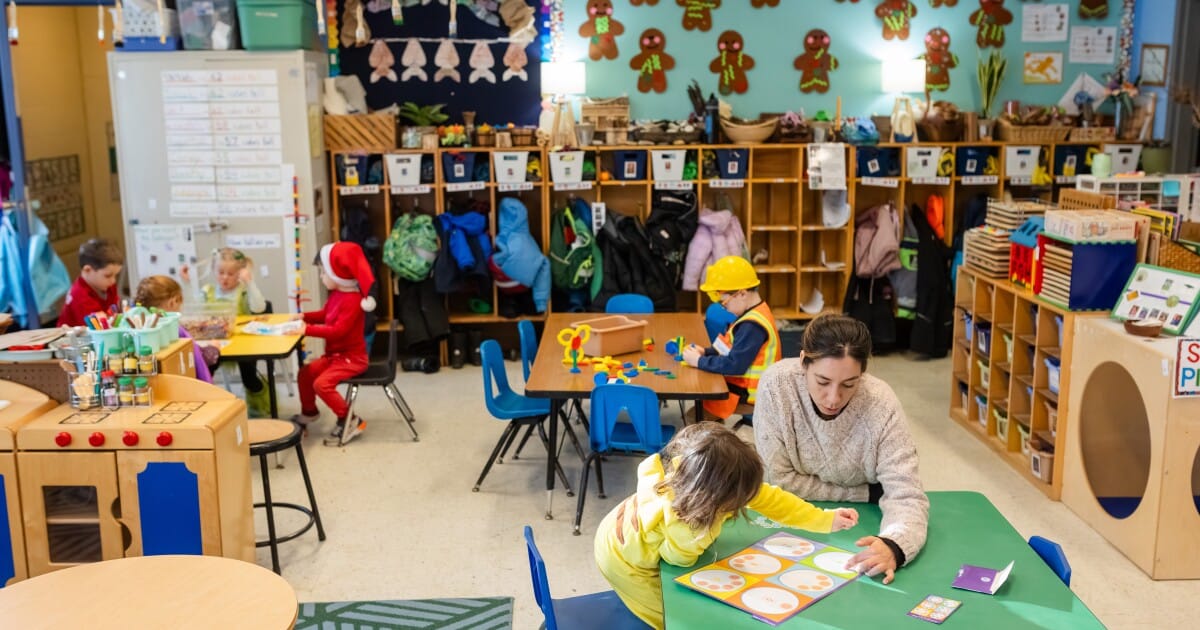
Take the battle raging in places like Peacham, where Principal Lydia Cochrane observes kids playing in a recess yard, a snapshot of normalcy that belies the existential threat hanging over their school. These are not just buildings; they are anchors, community hubs, places where generations have learned, grown, and forged connections, and tearing them down, or merging them into some faceless, centralized entity, rips a hole in the very soul of these towns. It’s heartbreaking to witness.
We’re seeing firsthand the messy, often vicious, fights erupting as local school boards and passionate parent groups desperately try to retain control over their children’s education and their community’s future, standing against the juggernaut of state mandates. This isn’t just about administrative overhead; it’s about decisions being made by distant, disconnected committees, by people who don’t know the names of the kids in these schools, who don’t understand the unique challenges and strengths of each individual town. It’s an insult.
The Human Cost of “Efficiency”
The long-term implications of these forced mergers are frankly terrifying. We’re talking about longer bus rides for younger children, the loss of beloved teachers who can’t or won’t adapt to new, larger systems, the erosion of local curriculum choices, and a general feeling of powerlessness among the very people whose lives are most directly affected. When you strip a community of its local school, you don’t just save a few dollars on a superintendent’s salary; you extinguish a vital spark, a gathering place, a symbol of communal pride and self-determination. It’s a gut punch.
And let’s be honest, the “efficiency” argument often rings hollow when you look at the real-world results. Initial savings are frequently eaten up by integration costs, new administrative complexities, and the inevitable push for new facilities that accompany larger consolidated districts. It’s a shell game, designed to placate taxpayers with promises of fiscal prudence while fundamentally altering the landscape of Vermont education in ways that many suspect are irreversible and detrimental. Pure theatre.
The small, intimate school environment, where teachers know every child by name and parents are deeply engaged, is a precious commodity, especially in an increasingly impersonal world, and this model, so crucial for many children, especially those needing extra support or those who thrive in close-knit settings, is precisely what Act 73 seems intent on dismantling. For what?
The 2026 Legislative Guide: A Blueprint for Disaster?
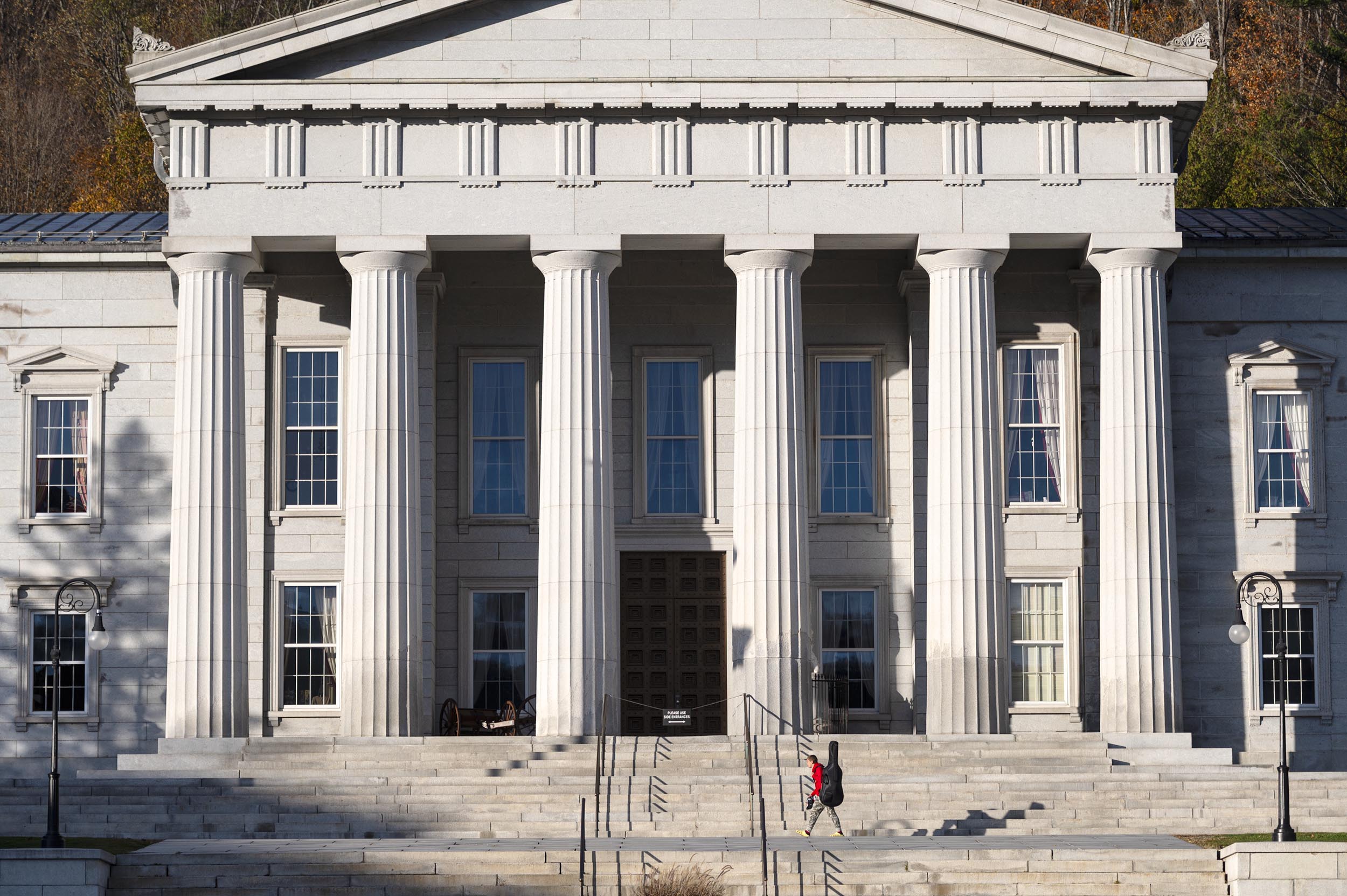
As the 2026 Vermont Legislative Guide makes clear, this year’s legislative session is poised to be a pivotal moment, a genuine fork in the road that will decide the ultimate fate of Vermont’s schools under Act 73 and how the state intends to navigate complex federal mandates. This isn’t just a guide; it’s a roadmap to either redemption or ruin, depending on who’s holding the steering wheel and what priorities they truly champion, a critical juncture where the voices of everyday Vermonters absolutely must be heard above the din of special interests and political posturing. The stakes are monumental.
Are they going to double down on the centralized, top-down approach, ramming through more mergers and further eroding local control, or will they finally listen to the groundswell of opposition from parents, teachers, and small towns pleading for a more nuanced, community-centric vision? The signs aren’t good, with the PCB testing bill serving as a chilling preview of the kind of cost-cutting measures that prioritize budgets over human well-being, painting a bleak picture for the future direction of educational policy in the Green Mountain State. It’s a disgrace.
The legislative agenda is packed with decisions that will shape educational funding, curriculum standards, and the very structure of school governance for years to come, with the constant shadow of federal regulations and funding requirements adding another layer of complexity to an already tangled web. One wrong move, one short-sighted decision, and the ripple effects could be catastrophic, echoing through generations of Vermont students and fundamentally altering the character of this proud, independent state. A precipice.
Will they find innovative solutions that genuinely empower local communities and protect children’s health, or will they continue down the path of bureaucratic overreach, sacrificing everything that makes Vermont unique and special on the altar of manufactured efficiency? The answer, my friends, remains to be seen, but the trend, frankly, is alarming, pointing toward a future where decision-making power is consolidated, and local voices are systematically marginalized, leaving communities feeling increasingly powerless against a distant, unresponsive state apparatus. It’s an uphill battle.
The Future They’re Building: Centralized, Sanitized, Stripped
So, where are we headed? If the current trajectory continues, we’re looking at a future where Vermont’s once-diverse and locally-responsive school system becomes increasingly centralized, homogenized, and utterly stripped of its unique character. Imagine a landscape dominated by fewer, larger schools, managed by distant administrators, operating under uniform mandates that pay little heed to the distinct needs and values of individual towns. Bleak, right?
The irony is rich: in their quest for “efficiency,” these policy-makers risk creating an educational monoculture, a sterile environment where innovation and local flair are stifled, where the very concept of a neighborhood school, a bedrock of community life, becomes a quaint, forgotten relic of the past. It’s a tragedy unfolding.
And let’s not forget the health implications. If PCB testing is effectively abandoned, what message does that send? It tells parents that their concerns about their children’s exposure to hazardous materials are secondary to budgetary constraints, that environmental safety is a luxury, not a fundamental right. It opens the door for future health crises to go undetected, allowing toxins to fester, silently harming kids and staff, all because someone in an office decided it was too expensive to look. Criminal negligence.
This isn’t just about Vermont, folks; this is a microcosm of a larger national struggle, where local control and community values are constantly under attack from distant, powerful forces pushing for consolidation, standardization, and a one-size-fits-all approach that rarely, if ever, actually fits anyone particularly well. We see it everywhere, this erosion of local autonomy, and Vermont is just the latest battleground. A warning to us all.
A Call to Arms: Fight for Our Schools
It’s time for every single parent, every concerned citizen, every educator, every taxpayer in Vermont to wake up and smell the coffee. This isn’t a passive process; it’s an active assault on the foundational principles of local governance, parental rights, and child safety. We cannot afford to sit idly by while our schools are dismantled, our children’s health is jeopardized, and our communities are hollowed out by short-sighted policies driven by questionable motives. Speak up!
Demand answers from your representatives. Challenge the assumptions behind these mergers. Insist that children’s health and safety remain paramount, always. Don’t let them tell you it’s “just economics” or “the way things have to be.” There are always alternatives, always better ways, if the will exists to find them, and if the people are loud enough to demand them. Our collective voice is powerful.
The fight for Vermont’s schools is a fight for its future, for its unique character, for its very soul. It’s a fight for our kids, against a tide of bureaucratic indifference and political expediency. Don’t let them win. Don’t let them sell off our heritage piece by piece. Rise up, organize, and make your voices heard, because if you don’t, these “powers that be” will keep rolling right over you, leaving a trail of broken promises and broken communities in their wake, and that, my friends, is a future none of us should accept. Not on our watch.