The Hype Machine Starts Early: Anisimova’s January Surprise
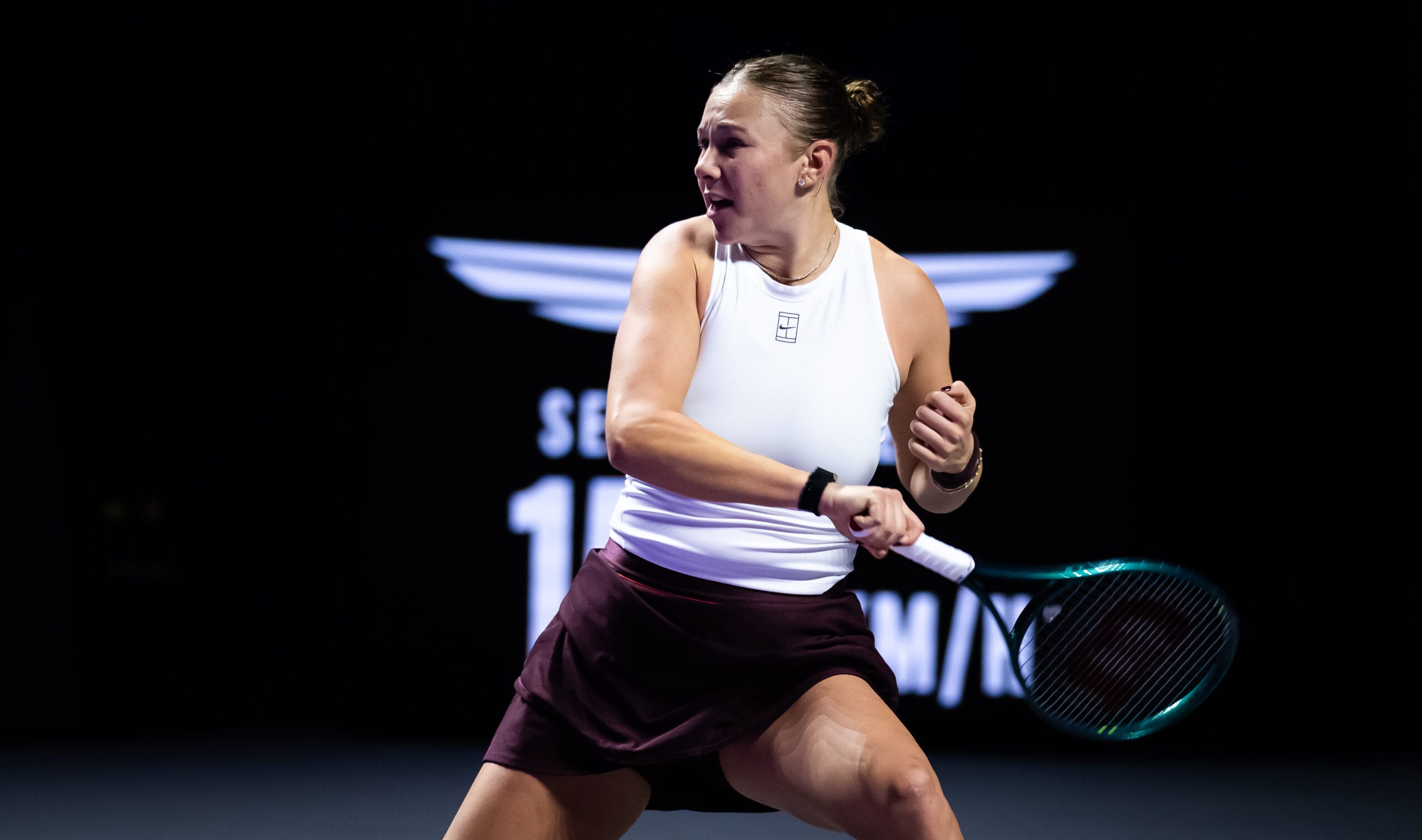
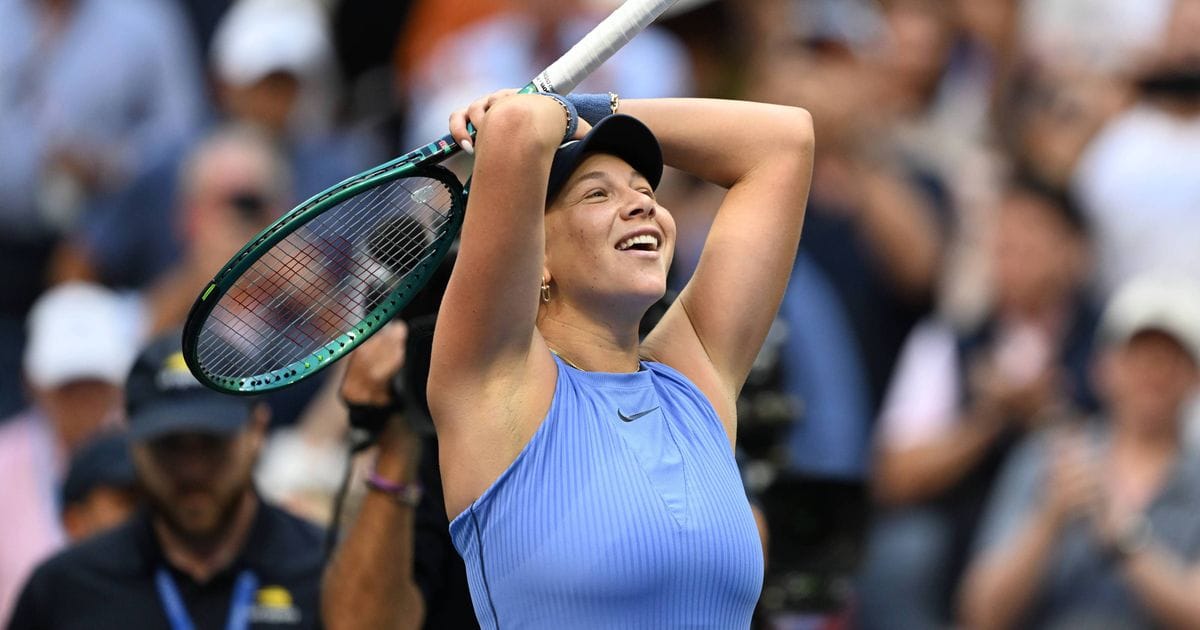
And here we go again. Less than a week into the new season, and the media has already crowned its new American darling. The headlines are screaming about Amanda Anisimova’s rise to World No. 3 and, more importantly, her status as the new American No. 1. It’s the kind of high-octane, feel-good story that generates clicks and gives us all something to talk about besides the endless offseason debates about who trained harder during Christmas. Because let’s be real, in the world of tennis, a ranking rise in January is like finding a five-dollar bill in last year’s coat pocket—it’s a nice little bonus, but it doesn’t mean you’re rich yet, and it certainly doesn’t guarantee you won’t lose it by lunch.
But this isn’t just about a number changing on a website; it’s about the massive, suffocating expectations that get slapped onto any American player who dares to show a flash of brilliance. The pressure to replace the Williams sisters still hangs over every young player in the USA like a thick, muggy summer blanket. Anisimova, with her effortless power and high potential, has been tagged with this expectation for years, and now, by reaching No. 3, she’s officially holding the hot potato. And that hot potato, my friends, often burns a hole right through your hand.
The Brutal Reality of the WTA Rankings Rollercoaster
Because let’s look at the actual landscape here. The WTA tour is a volatile, high-stakes casino where everyone is gambling, and the house almost always wins. One week you’re on top, feeling like you can beat anyone in the world, and the next week you’re packing your bags after a first-round loss to a qualifier you’ve never heard of. This isn’t a knock on Anisimova’s talent—she clearly has all the physical tools to be a top player—but a recognition of the brutal, unforgiving nature of consistency in women’s tennis, where a single bad week can cost you hundreds of ranking points and send you spiraling down the ladder faster than you can say ‘unforced errors.’ The fact that she’s reached No. 3 in early January, fresh off the back of tournaments like Brisbane and Auckland where the field isn’t quite as deep as a Grand Slam, gives a certain weight to the achievement, but also reminds us that the ranking system is heavily weighted by recency bias, creating a sort of optical illusion of dominance that hasn’t truly been tested in the crucible of a major championship yet. And while this initial surge in points is fantastic, maintaining that position requires an entirely different level of mental fortitude and physical stamina that very few players in recent memory have truly mastered.
But let’s talk about the contrast. While everyone is focused on the glitz and glamour of Anisimova hitting the Top 3, another player, Bucsa, quietly broke into the Top 50. This is the real story for most of the players on tour. The Top 50 isn’t where you become a superstar; it’s where you earn your living. It’s the difference between being on the cover of magazines and being able to afford a decent coach and travel expenses for a full year without worrying about going broke. The media ignores these small victories in favor of the shiny headlines, but for a pro athlete, breaking into the Top 50 is often a far more reliable indicator of sustainable progress than a sudden spike to No. 3 that might be gone by the time the clay season starts. And let’s not forget the history of players who have hit the top three only to struggle to stay there; the pressure of being the ‘next big thing’ often proves too much, leading to burnout, injury, or simply a loss of form as opponents figure out your game.
The American Tennis Curse: The Weight of Expectations
And let’s get into the specifics of being ‘American No. 1’ in the post-Serena era. The title feels almost cursed. Think back to Sofia Kenin, who shocked everyone by winning the Australian Open and becoming the American No. 1, only to completely fall off a cliff. Or Sloane Stephens, who won the US Open but has struggled with consistency and injuries ever since. There’s a narrative that American players, perhaps due to the media pressure and the high-flying lifestyle of celebrity, have a harder time maintaining focus and form compared to some of their European or Australian counterparts who often come from more subdued backgrounds and have a different cultural approach to sports. The American spotlight is intense, and it has a way of either propelling you to superstardom or chewing you up and spitting you out.
Because the question isn’t whether Anisimova has the talent; the question is whether she has the mental toughness to handle being the target. When you’re No. 3, everyone else wants to take you down. Every opponent brings their A-game against you, and they study your weaknesses relentlessly. This is where the real work begins, far from the celebratory headlines of January. It’s about grinding through three-set matches when you’re exhausted, staying composed under pressure, and finding new ways to win when your A-game isn’t working, all while carrying the weight of a nation desperate for another Grand Slam champion. And this is where the previous American No. 1s have stumbled; they win one, and then the pressure becomes too much greater than the initial motivation. The expectations are astronomical, and the failure to meet them is treated as a personal flaw rather than the natural fluctuation of a highly competitive sport. This makes Anisimova’s position particularly perilous, because if she stumbles, the same media that built her up will be quick to tear her down in search of the next big story.
Future Projections: The Clay Court Test and Beyond
But let’s speculate wildly, because that’s what we do. Anisimova’s game, built on powerful groundstrokes and an aggressive mindset, historically performs well on fast surfaces. The hard courts of the start of the season and the grass of Wimbledon often suit her best. The real test will come during the long, grueling clay court season, which has been known to expose weaknesses in players who rely purely on power and don’t have the variety or tactical patience required for the slow surfaces. If Anisimova can navigate the clay season effectively, hold onto her ranking points, and make a deep run at Roland Garros, then we can start talking about her as a consistent Top 5 threat. If she stumbles, however, expect her ranking to slide quickly, and for the media to move on to the next shiny object, potentially Coco Gauff or another rising star who will inherit the ‘American No. 1’ title. The WTA rankings are a cruel mistress, and January is often a false prophet. The true measure of a champion isn’t where you start the year; it’s where you finish, and more importantly, your mental health, end up.
But let’s not discount the effect this has on the overall tour dynamic. When a player like Anisimova rises, it forces everyone else to step up their game. It creates a higher standard for everyone in the Top 10, pushing them to train harder, improve their strategy, and constantly adapt. The WTA needs a few consistent, marketable superstars, and Anisimova has the potential to fill that void. The question is whether she can withstand the pressure, injuries, and mental battles that come with being in the top tier. Because while everyone loves a rising star, the real test of a player’s greatness is their ability to stay on top, not just reach it briefly. And if she fails, she’ll just be another footnote in the history of American tennis, another ‘what if’ story in a long line of them. But for now, let’s enjoy the hype and watch closely, because this could either be the beginning of a truly great career or another chapter in the long, drawn-out saga of American players struggling to maintain consistency in the post-Serena era, highly competitive era of the WTA Tour, where being No. 1 in your country doesn’t necessarily mean you’re a world-beater for very long.