The Myth of the ‘Most Successful Coach’ and the Hard Truth of Stagnation
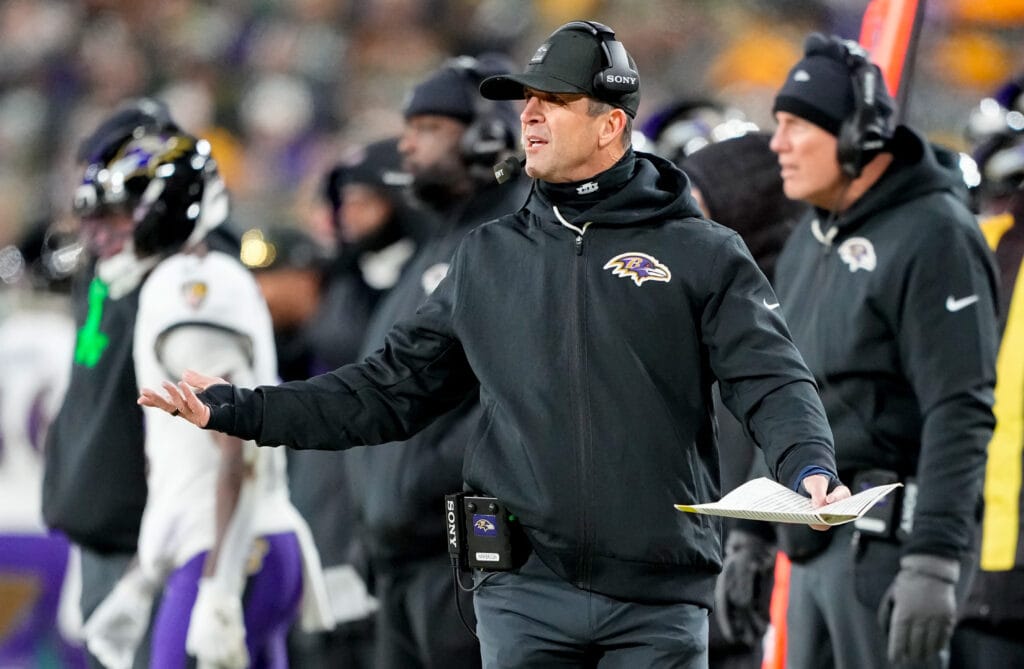
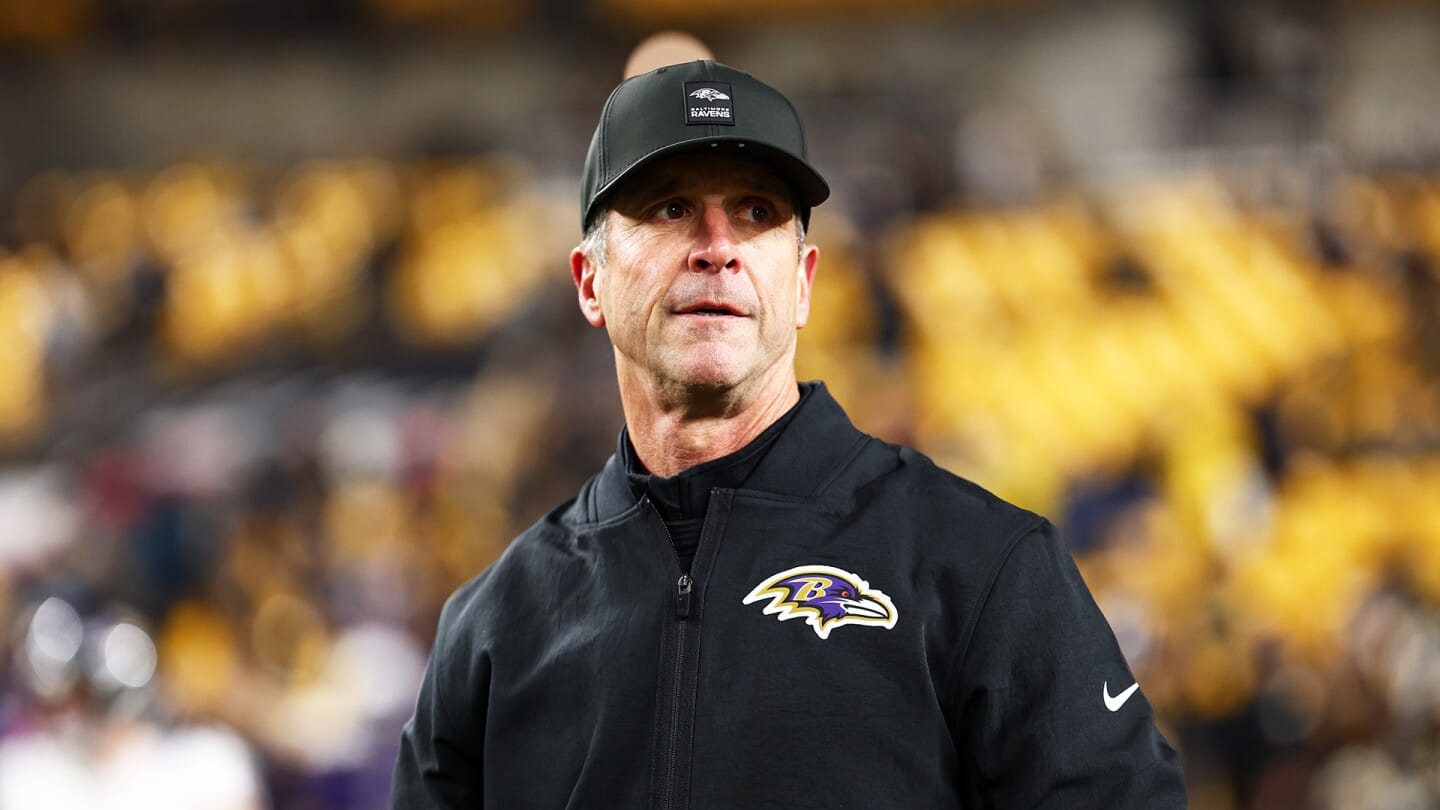
Let’s not get too sentimental here, folks. The news about John Harbaugh’s departure from the Baltimore Ravens—or even just the discussion around it—isn’t a sudden tragedy; it’s the inevitable, slow-motion climax of a decade of institutional malaise. For too long, the narrative surrounding Harbaugh has been wrapped in the warm, fuzzy blanket of a Super Bowl victory from nearly twelve years ago, a win that, in hindsight, feels less like the foundation of a dynasty and more like a glorious anomaly that enabled years of organizational complacency. The talk of him being the ‘most successful coach in franchise history’ is technically true, sure, but in the context of the NFL, it’s a label used to justify mediocrity, allowing a team to coast on past glories while the rest of the league evolved right past them.
The fact that a coach of his supposed caliber is being scrutinized after yet another season falls short of expectations—and a season that didn’t even land them in the playoffs, despite the talent on the roster—isn’t a sign of impatience from the front office; it’s a sign that the front office has finally woken up from a post-Super Bowl slumber that lasted far too long. We have to ask ourselves: was the Super Bowl XLVII win a product of Harbaugh’s genius, or was it a lightning-in-a-bottle run where Joe Flacco played like an MVP for four straight weeks, a phenomenon that has never, ever been repeated? The subsequent decade of near-misses, playoff failures, and an offense that often looked like it was designed in the 1990s suggests the latter. It’s time to stop confusing longevity with greatness, because in the NFL, longevity often just means you’re good enough to keep your job, but not good enough to actually win.
The Stagnation of the Harbaugh Era: From Elite Defense to Offensive Anachronism
When Harbaugh took over, the identity of the Ravens was hard-nosed, physical defense, and a run game that bludgeoned opponents into submission. He cemented that identity during the Super Bowl run, but in the years following, the league changed dramatically, shifting toward dynamic, high-scoring offenses that prioritized passing efficiency and explosive plays. Harbaugh and the Ravens’ leadership, however, seemed perpetually hesitant to embrace this new reality. They clung to a philosophy of controlling the clock and relying on defense, which worked against certain teams but ultimately proved insufficient against the truly elite offenses in the AFC. How many times have we watched the Ravens’ offense sputter in crucial moments, unable to mount a two-minute drill or score when the defense finally gave them a short field? The answer is too many to count.
The acquisition of Lamar Jackson was supposed to be the spark that reignited the franchise, a revolutionary talent who could redefine the offense. Harbaugh’s initial adaptation to Jackson was brilliant, leading to an MVP season and a regular season record that seemed untouchable. But what happened next? The league adapted. Defensive coordinators figured out how to slow down the read-option and force Jackson to pass from the pocket. Instead of counter-adapting by bringing in a true modern offensive coordinator who could build around Jackson’s unique skillset—someone who understood the dynamics of timing routes and spread concepts—the Ravens seemed to regress. They often looked like they were trying to fit a square peg (Jackson) into a round hole (a traditional pocket-passing offense). This disconnect between the quarterback’s talent and the coaching staff’s philosophy created a tension that ultimately hindered the team’s ability to maximize its potential.
The Blame Game and the Scapegoat Fallacy
When a team fails to reach its potential, everyone scrambles to point fingers. Is it the front office’s fault for personnel decisions? Is it the players’ fault for poor execution? Or is it the coach’s fault for lack of preparation and vision? The truth is, it’s usually all three, but the coach bears the ultimate responsibility for the culture and direction of the team. Harbaugh’s supporters will argue that the front office failed to provide adequate offensive weapons, particularly at wide receiver, and that the team’s struggles with injuries were insurmountable. These are valid points, but a great coach finds ways to compensate for deficiencies. A great coach ensures that the team performs at a higher level than the sum of its parts. Harbaugh, unfortunately, often seemed to get results that were exactly in line with, or even slightly below, the talent level. When you have a quarterback with Jackson’s capabilities, simply being ‘in line’ with talent isn’t good enough; you need to be exceeding expectations.
The fact that other teams—like the Falcons and Giants, desperate organizations in need of stability—are already eyeing Harbaugh says more about the current state of NFL coaching than it does about Harbaugh’s recent performance. The league has an unhealthy obsession with recycling coaches, prioritizing experience over innovation. Teams would rather hire a ‘safe’ option with a Super Bowl ring from years ago than take a chance on a rising assistant who might actually bring a fresh perspective. Harbaugh will be highly sought after because he provides stability, a high floor, and a proven ability to get to the playoffs (most years). But what does that stability truly offer? A comfortable seat just below the Super Bowl, perpetually stuck in the second tier of contenders. This is why the Ravens’ move to shake things up is so important, even if it’s painful for nostalgic fans.
Looking Ahead: The Risk vs. Reward for Baltimore
The Ravens now face a pivotal decision. Do they move on from Harbaugh entirely, seeking a new direction, or do they bring him back for one more year with a new offensive coordinator? The latter option feels like a desperate attempt to avoid making the tough choice, a delay tactic that only postpones the inevitable. If they fire him, they face the risk of hiring a coach who might be worse. History is littered with examples of teams that fired a long-tenured, decent coach only to fall into a cycle of coaching changes and failure. Just ask the Cowboys after they fired Tom Landry, or the Broncos after they parted ways with Mike Shanahan. This is the ultimate risk for the Ravens: losing stability for the promise of greatness that may never materialize.
However, the potential reward for making a decisive break and bringing in a new voice cannot be ignored. A new coach, particularly one from a modern offensive philosophy, could unlock the full potential of Lamar Jackson and finally create an offense that is both dynamic and consistent. The front office needs to stop looking backward at the Flacco era and start building for the future, embracing the idea that Jackson’s unique talent requires a unique approach. It requires a coach who views Jackson not as a project to be fixed, but as a weapon to be deployed in new and creative ways. Harbaugh’s legacy, while successful in aggregate, ultimately became a barrier to this evolution. The Ravens needed to break free from the past to have any hope of a different future. Whether they actually go through with it remains to be seen, but the fact that this conversation is happening at all proves that the old ways are no longer working.
Harbaugh’s time in Baltimore was a good run, but good isn’t good enough in the modern NFL. The league demands constant adaptation, and for the last half-decade, the Ravens have fallen short. The end of this era, whether a firing or a mutual parting, is less a moment of sadness and more a moment of realization: sometimes, you have to cut off a limb to save the body. The Ravens have been living off a single Super Bowl win for too long, and it’s time to find a new identity or better definition of success. The rest of the league is not waiting. If the Ravens want to compete with the Chiefs and the Bills, they can’t afford to keep looking in the rearview mirror, pretending that a 2012 mentality can win in 2024. The truth hurts, but it’s time to be embraced. Harbaugh’s departure isn’t a failure; it’s a fresh start. We can only hope the front office sees it that way and doesn’t get cold feet. It’s time to turn the page, whether that’s with Harbaugh or without him. The logical conclusion is that a new voice is necessary for a new era.