The Illusion of Nostalgia: Lorwyn Eclipsed’s Calculated Assault
Q: What’s the real game plan behind ‘Lorwyn Eclipsed’ and this ‘beloved plane’ return? Is it just a nostalgic trip down memory lane?
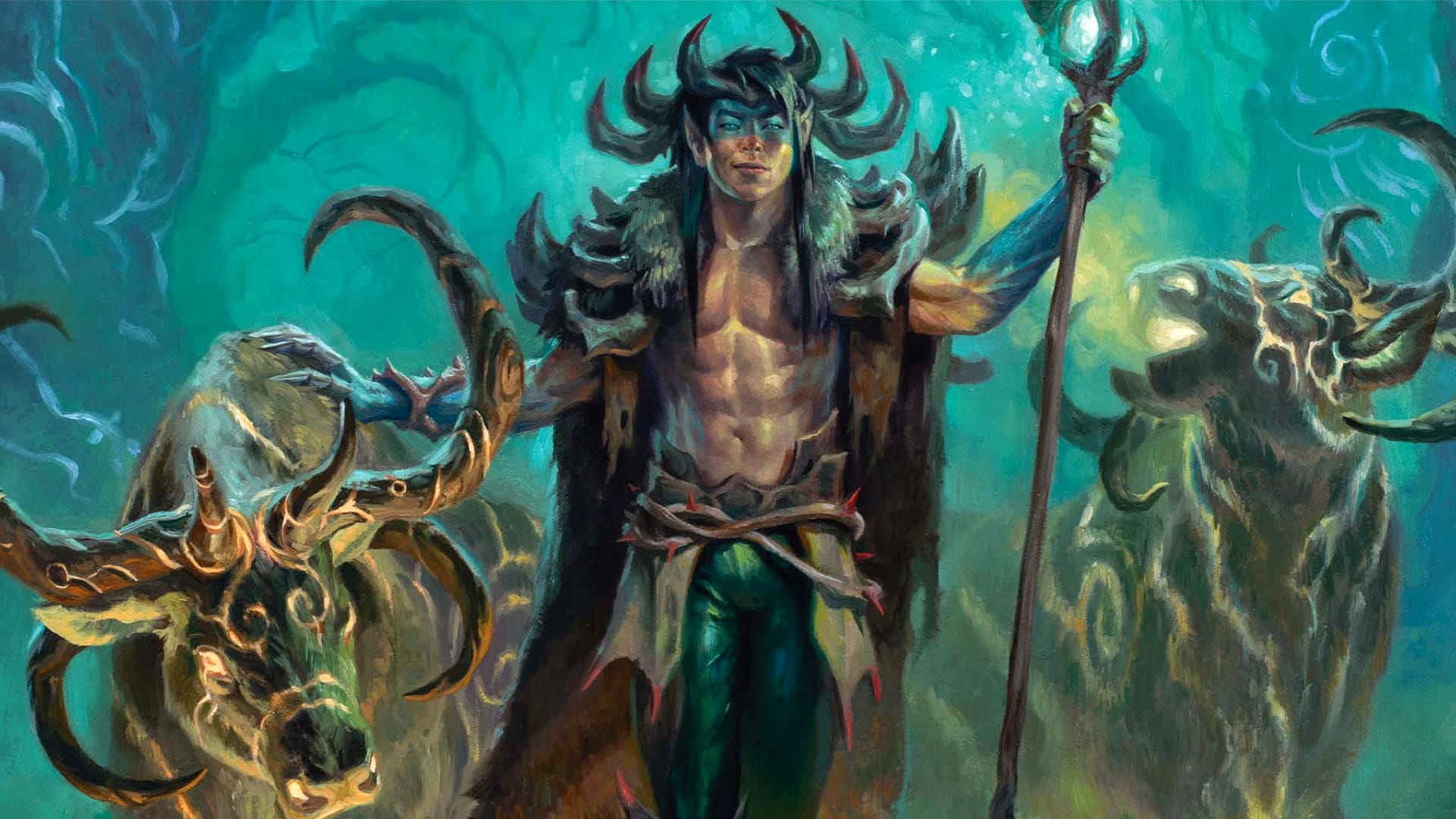
Let’s not be sentimental fools about this, alright? Nostalgia, when wielded by a corporate behemoth like Wizards of the Coast, isn’t some warm, fuzzy blanket; it’s a precision-guided missile aimed squarely at your wallet, and your emotional attachment to a simpler time. Lorwyn Eclipsed, this highly anticipated return to a plane many players profess to ‘love,’ isn’t an act of generosity; it’s a shrewd strategic pivot, a calculated maneuver to shore up a player base potentially growing weary of the relentless ‘Universes Beyond’ onslaught.
Think about it: after years of increasingly disparate crossovers—some welcome, others met with a collective groan—they pull out the ‘return to a classic plane’ card. Brilliant. It’s designed to re-engage the veterans who yearn for Magic’s unique, internal lore, while simultaneously providing a fresh starting point for newer players who might find the current narrative tapestry a bit too tangled. The ‘eclipsed’ part of the title isn’t just flavor text, either; it signifies a disruption, a subversion of what you *think* you remember about Lorwyn. It’s a promise of transformation, of shadows creeping into the whimsical, a deliberate shift that allows them to introduce new mechanics and power levels without outright contradicting established lore. It’s a calculated risk, playing on familiar themes but twisting them just enough to keep the product feeling ‘new’ and ‘essential.’ Plain and simple.
Oko’s Resurgence: A Strategic Weapon in the Meta
Q: So, Oko, the trickster, returns as a transforming double-faced planeswalker. What’s the strategic implication of bringing back such a notoriously disruptive card, and in this new form?
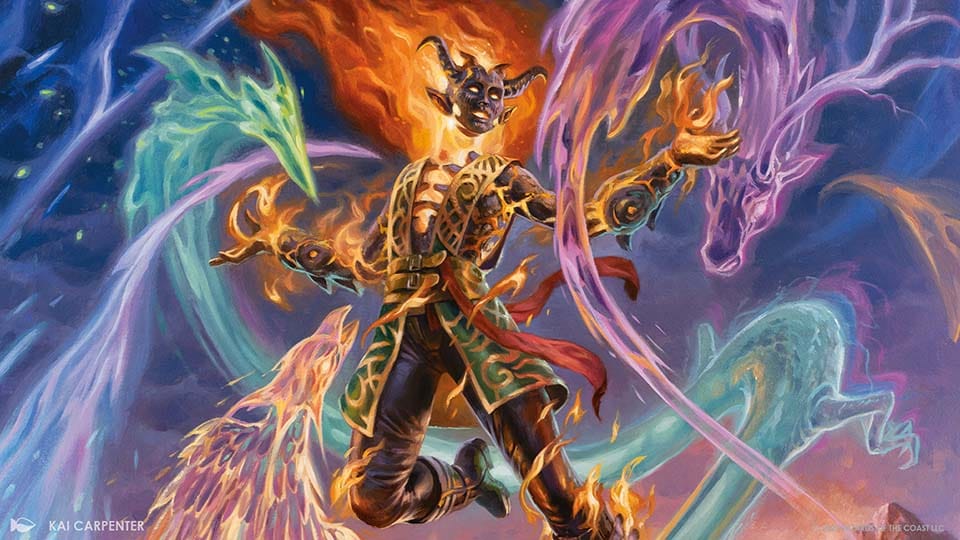
Oko. Ah, Oko. The very name sends shivers down the spines of anyone who remembers the Eldraine era, a period where the meta was warped into an unrecognizable mess by a single, perfectly costed card capable of turning anything into a 3/3 Elk. His return isn’t some whimsical accident or fan service; it’s a cold, hard declaration of intent. Wizards knows exactly what Oko represents: power, disruption, and an almost gleeful disregard for conventional gameplay. Releasing him as a transforming double-faced planeswalker? That’s just adding another layer to the onion, another tactical dimension for players to navigate and, more importantly, for them to sell.
This isn’t about hand-waving away past mistakes; it’s about leveraging a known quantity for maximum impact. A transforming planeswalker means inherent versatility, a strategic puzzle piece that adapts to different board states, offering a wider range of options to a skilled pilot. It increases the card’s perceived value, its strategic depth, and thus, its desirability. This move simultaneously acknowledges Oko’s infamous past by giving him a new, complex iteration, which paradoxically legitimizes his power. It’s a tacit admission that they *can* print broken cards, and by re-introducing one of the most infamous, they are testing the waters, pushing the boundaries of what the player base will tolerate, all while selling packs. The writing’s on the wall: expect the meta to shift, and shift hard. This isn’t just a card; it’s a strategic weapon for the high-level competitive player, a tool to exploit, and a problem for everyone else.
Commander’s Grip: Elementals, Blights, and Mechs as Market Dominators
Q: Lorwyn Eclipsed Commander decks are featuring ‘fearsome Elementals and vile blights,’ alongside ‘powerful mechs.’ Is this merely thematic flavor, or a deliberate push to dominate the Commander format?
Merely thematic flavor? Please. That’s a naive interpretation, bless your heart. Nothing Wizards does in the Commander sphere is ‘merely’ anything. The Commander format is the undeniable gorilla in the room, the engine driving significant portions of their revenue. Pre-constructed Commander decks aren’t just a convenience for players; they are meticulously crafted entry points designed to capture new blood, convert casual players into enfranchised ones, and extract value from existing enthusiasts. The decision to focus on ‘fearsome Elementals and vile blights’ from Lorwyn, now juxtaposed with ‘powerful mechs,’ is a highly targeted strategy.
Elementals and blights resonate with the core Lorwyn aesthetic, tapping into that nostalgia vein we discussed. They provide familiar, tribal synergies that many players enjoy building around. But the introduction of ‘mechs’—a seemingly disparate element—is the strategic twist. It suggests a new mechanical archetype, a fresh strategic angle, potentially bridging different lore elements and offering novel build-around commanders. This isn’t about pretty pictures; it’s about mechanical synergy, power level optimization, and providing diverse play experiences within the Commander ecosystem. They’re giving players powerful, ready-to-play options that are designed to be competitive right out of the box, pushing specific archetypes into the meta, and ensuring that those who buy in get a taste of high-power gameplay. It’s a calculated move to dominate the format, to provide an easy on-ramp to compelling, synergistic strategies, and ensure these decks become immediate contenders. It’s all about leverage, the consistent leveraging of the Commander format’s immense popularity to push new product lines and ideas. No two ways about it.
The Henson Gambit: Branding, Perception, and Market Expansion
Q: The Jim Henson Company bringing ‘Magic: The Gathering’ to life with a puppet-filled musical number… From a cold, strategic viewpoint, what in the world is that all about?
Oh, the puppets. The song and dance. It’s almost adorable, isn’t it? Almost. But make no mistake, this isn’t some whimsical artistic collaboration born of pure creative spirit. This is a cold, hard, calculated marketing gambit designed to broaden Magic’s appeal beyond its established, often perceived as insular, core demographic. The Jim Henson Company partnership is a brilliant stroke, a masterclass in brand re-contextualization, and a clear attempt to soften Magic’s image for a wider audience.
Magic has, for decades, been seen as a complex, often intimidating game, rooted in fantasy tropes that might not appeal to everyone. By associating with the Jim Henson Company, an entity synonymous with family-friendly entertainment, charm, and innovative puppetry, Wizards is attempting to shed some of that perceived elitism. It’s an overture to parents, to younger audiences, to casual entertainment consumers who might view Magic as ‘too much’ before even trying it. The musical number itself is a distraction, a shiny object to draw attention, creating buzz that transcends the typical gaming news cycle. It creates a narrative that Magic is ‘fun,’ ‘approachable,’ even ‘whimsical’—qualities not always associated with a game renowned for its strategic depth and occasional cutthroat competition. It’s a Trojan horse, really; get them hooked on the puppets, then slip them a starter deck. This isn’t about art; it’s about market expansion, pure and simple. They’re pulling the wool over people’s eyes, and doing it with a smile, knowing full well that expanding the player base, even marginally, translates directly to increased revenue. It’s a well-played hand, even if it makes some of the hardcore crowd cringe. The bottom line always wins, doesn’t it?
The Long Game: Fracturing and Redefining Magic’s Future
Q: What are the long-term consequences of these strategic moves – the mix of nostalgia, disruptive power cards, Commander focus, and broad market appeals – for Magic: The Gathering as a brand and game?
The long-term consequences, my friend, are nothing short of a fundamental redefinition of what Magic: The Gathering truly is. These aren’t isolated decisions; they are threads in a grand tapestry woven by corporate strategists aiming for perpetual growth, often at the expense of coherent identity. The constant oscillation between catering to hardcore enfranchised players with powerful, meta-defining cards like Oko, and then pivoting to broad, family-friendly marketing stunts like the Henson collaboration, creates a fractured player base. Veterans feel alienated by what they perceive as dilution, while new players might get whiplash trying to keep up with the ever-shifting goalposts of what Magic is ‘supposed’ to be. It’s a delicate balancing act, and one that is prone to missteps.
The relentless focus on Commander, while undeniably profitable, leads to a skewing of design priorities across all sets. Cards are increasingly evaluated not just for Standard or Modern, but for their Commander potential, creating an environment of constant power creep to keep the format fresh and exciting. This often means individual cards, even in main sets, are pushed to extreme levels to make an impact, leading to a rapid churning of the meta and a feeling of obsolescence for older cards. It’s an unsustainable model in the long run, forcing players to constantly update their collections to remain competitive, or even relevant. The ‘Universes Beyond’ fatigue, combined with the ‘eclipsed’ returns to beloved planes, paints a picture of a brand desperately seeking new avenues of engagement, willing to sacrifice some historical integrity for immediate gains. The ultimate consequence? A brand that becomes everything to everyone, and therefore, risks becoming nothing truly distinct to anyone. The Magic of tomorrow might be incredibly popular, incredibly profitable, but it may also be unrecognizable to those who fell in love with it decades ago. It’s a calculated trade-off, a strategic sacrifice of identity for omnipresence. The future is uncertain, but one thing is clear: the game will continue to evolve, ruthlessly, strategically, and without sentimentality. Adapt, or get left behind.
Strategic Survival: Adapting to the New Magic Order
Q: Given this cold, strategic analysis, what should players do to navigate this evolving landscape?
Simple: ditch the sentimentality. That’s the long and short of it. This isn’t a game of feelings; it’s a game of resources, information, and calculated decisions, both on the board and off. First, understand that every release, every marketing push, every character return, is a strategic play by a corporation. They are not your friends; they are merchants of entertainment and profit. Internalize that, and you’ll see the game through clearer eyes.
For those invested in competitive play, your strategy must be ruthless. Identify the broken cards, the meta-defining pieces like Oko, and exploit them without hesitation. Don’t complain about power creep; adapt to it. Ride the waves of change, master the new archetypes, and don’t get caught clinging to outdated notions of ‘fairness.’ The game rewards adaptation, not nostalgia. If you’re a Commander player, scrutinize those pre-con decks for hidden gems, for powerful synergies that can be leveraged, or simply for the raw value they provide. Don’t just buy; analyze what they’re trying to push, and decide if it aligns with your own strategic goals. For the casual player, the rules are different: play what you enjoy, but recognize the underlying currents. Don’t be swayed by marketing fluff; if the Henson musical isn’t your jam, ignore it. If Universes Beyond isn’t your thing, skip those sets. Your wallet is your vote, and your attention is a valuable commodity. Be selective. Be strategic in what you invest your time and money into. In this new era of Magic, where the brand is constantly being stretched and redefined, the most potent strategy is self-awareness: know what you want from the game, and pursue it with cold, unwavering focus. Anything less is just setting yourself up for disappointment, and frankly, who has time for that?