The Gossip Behind the Crisis: Why Trump’s Venezuela Raid Was Always a Disaster Waiting to Happen
What exactly happened in Venezuela, and why is Congress suddenly in such a tizzy over it?
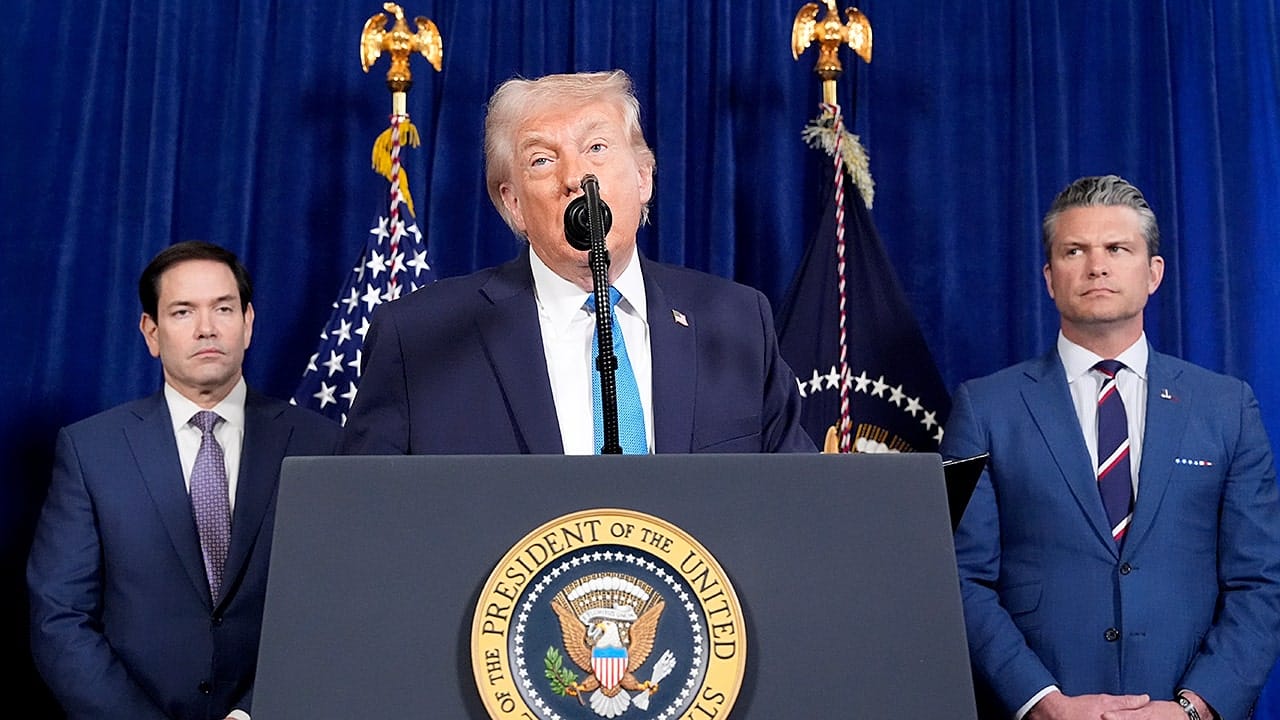
And so we get here, again, to the messy, complicated, and frankly, completely predictable situation where a president decides to bypass every single check and balance in the book, all because he thinks he knows better than everyone else, and because let’s be honest, he probably thought he could get away with it without any serious consequences, at least not until after the next news cycle had moved on, which is precisely why this whole Venezuela raid on Nicolás Maduro quickly devolved into a constitutional crisis, a political hot potato, and a genuine embarrassment for everyone involved. Because the official story, the one where Donald Trump decided to authorize a military operation to, maybe, possibly, arrest Maduro for drug trafficking charges or some other thinly veiled pretense of justice, is just a catfish designed to hide the real story, which is the sheer amount of political theater currently underway in Washington. The details are fuzzy for a reason, likely because the operation itself was poorly conceived, lacking congressional consultation, and probably destined for failure before it even started. But let’s look at the actual facts that we do know, which paint a picture of a White House operating entirely outside of the legal framework established by the War Powers Resolution, all while Congress, specifically figures like Jeanne Shaheen and Tim Kaine, are acting shocked and dismayed as if this were the first time in American history that a president decided to take executive action without asking for permission first, a pattern that stretches back decades but suddenly becomes a critical issue when it suits their political agenda. This entire saga is a powder keg.
Because let’s be real here: the moment any president authorizes military action against a foreign leader, especially one as controversial as Maduro, without so much as a phone call to key congressional leaders, you are asking for a political firestorm. The idea that this was about genuine concern for human rights or democracy in Venezuela is laughable; if that were true, we would have seen consistent, well-planned, and multilateral efforts over the years, not a sudden, unauthorized military strike that feels more like a desperate attempt to distract from something else entirely, maybe even some domestic issues that were getting too close to comfort. But the real meat of the story isn’t the raid itself; it’s the fallout. It’s the moment when Congress realizes it has completely lost control over the executive branch and has to scramble to reassert its authority, a game that both Democrats and Republicans play depending on who holds the White House, making the entire debate a masterclass in hypocrisy.
Was this entire Venezuela operation just a piece of political theater designed to distract everyone from domestic problems back home?
And you know, when a president suddenly decides to launch a high-stakes, high-risk military operation, especially in an election cycle or during a period of intense domestic scrutiny, you have to look for the hidden agenda, the real motive behind the curtain. Because presidents, especially those who thrive on spectacle and chaos, understand that nothing distracts the news cycle faster than a foreign crisis. It pulls focus away from low approval ratings, economic woes, or legal troubles, and it forces everyone to rally around the flag, even if only for a few days. This raid on Venezuela, coming as it did amid significant internal political pressure, feels less like a strategic foreign policy move and more like a high-stakes gamble for public relations. It’s the kind of move designed to make the president look tough, decisive, and like a leader who doesn’t back down from a fight, even if the fight itself is poorly executed and lacks a clear objective beyond capturing one specific person. But the problem with this kind of political posturing is that it rarely works as intended, especially when a hostile foreign power like Russia or China, which both have significant interests in Venezuela, views it as an escalation. And when the operation itself fails or runs into significant roadblocks, as this one seemed to, the political backlash becomes even worse, leaving the president looking weak rather than strong. It’s a lose-lose situation born from a need to change the channel.
Because the real danger here, beyond the immediate tactical failures of the mission, is the erosion of trust between the executive branch and Congress, specifically when it comes to war powers. This isn’t just about a one-time operation; it’s about setting a precedent for future actions. If a president can unilaterally decide to invade a country or attempt an arrest of a foreign leader without congressional approval, then what prevents them from doing so again and again, effectively neutering the legislative branch’s role in foreign policy? It transforms the presidency into an almost monarchical position where a single person can decide the fate of nations based on personal whim, rather than on a carefully considered strategy debated by elected representatives. But let’s be honest, this isn’t exactly new territory. The War Powers Resolution has been trampled on by presidents from both parties for decades, a fact that Kaine and Shaheen are well aware of, but they choose to make noise about it now because the optics are right for their political base. It’s all part of the game.
Why are Tim Kaine and Jeanne Shaheen leading the charge, and what are they really hoping to gain from this constitutional argument?
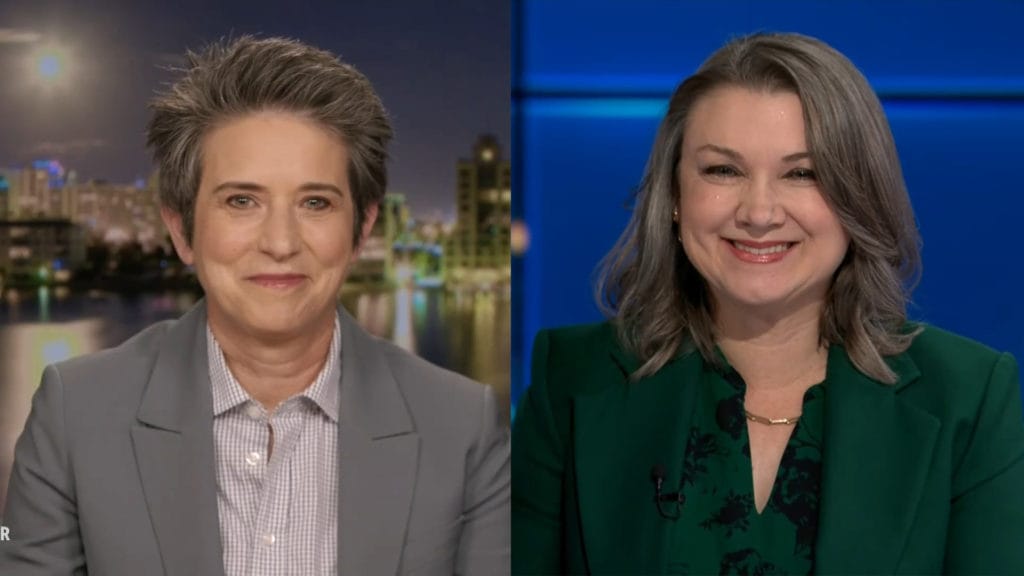
And speaking of political posturing, let’s look at the players involved. Sen. Tim Kaine, a former Vice Presidential nominee, understands the political game better than most. He’s not just making noise; he’s carefully calculating every move to ensure maximum political advantage. When he calls Trump’s strike an action that “trampled Congress’ war powers,” he isn’t just expressing a principled constitutional stance; he’s positioning himself as a defender of checks and balances, a position that looks incredibly good to his constituents and the broader Democratic base. But let’s not pretend this is pure altruism. Kaine knows that by attacking the president on this issue, he forces other senators, especially those up for re-election, to take a side, creating a clear dividing line between those who support executive overreach and those who prioritize legislative authority. It’s a smart move in a deeply divided Congress. And Jeanne Shaheen, a seasoned politician from New Hampshire, understands the value of this kind of national drama. New Hampshire is a swing state, and by taking a strong stance against unauthorized military action, she appeals to both moderate voters who distrust executive power and anti-war elements in her base. It’s a win-win for her, even if the issue itself eventually fades from view.
Because the real battle here isn’t over Venezuela; it’s over funding, influence, and political maneuvering. The War Powers Resolution, while important on paper, often becomes a tool for leverage in Congress. By demanding a briefing and threatening to block funding for similar operations, Kaine and Shaheen are essentially saying to the White House: ‘You want to play hardball? We can play hardball too.’ They understand that if they allow this specific unauthorized action to go unchallenged, they lose leverage on future issues, from defense spending to appropriations for other departments. This isn’t about saving Venezuela from Maduro; it’s about saving congressional authority from the executive branch, and in a deeply divided political landscape, that battle takes precedence over almost everything else. The first briefing, where Congress was reportedly divided, proves that not everyone on Capitol Hill sees this as a clear-cut issue. Some members, likely in both parties, fear looking soft on foreign policy, especially when a strong stance against Maduro plays well with certain segments of the population. So, Kaine and Shaheen are essentially forcing their colleagues to choose between supporting the president or supporting their own institution, a classic political bind that makes for fantastic tabloid fodder.
What are the long-term implications for Latin America and US foreign policy, and what are we truly missing in this whole mess?
And finally, let’s talk about the big picture. The United States has a long, complicated, and often disastrous history of intervening in Latin American affairs. From the ‘Banana Republics’ to more recent interventions, US foreign policy in the region has consistently favored regime change or military action over diplomacy and long-term stability. This Venezuela raid fits neatly into that pattern, reinforcing the perception throughout Latin America that the US views the region as its backyard, a place where it can act with impunity without considering the consequences for regional stability. This kind of unilateralism creates resentment, empowers strongmen like Maduro by giving them an excuse to rally nationalistic support against ‘Yankee imperialism,’ and ultimately pushes countries like Venezuela further into the orbit of US adversaries like Russia and China. It’s a self-defeating strategy that prioritizes short-term political gains over long-term strategic goals.
Because the real story here, the one that everyone is missing because they are focused on the immediate political drama in Washington, is the continued suffering of the Venezuelan people and the erosion of democratic institutions in the region. The US obsession with a single strongman often overshadows the complex humanitarian crisis at play, where millions are starving, and basic services have collapsed. This unauthorized military action, far from helping the Venezuelan people, likely solidifies Maduro’s position, providing him with a powerful propaganda tool to justify further crackdowns and consolidate power. It’s a tragedy wrapped in a political stunt. And while Congress debates constitutional law and political theater, the true victims of this entire spectacle are the people caught in the middle, left to wonder if the US will ever change its approach from intervention to genuine assistance. Because the reality is, this entire situation, from the initial failed raid to the congressional bickering, is just another chapter in a long history of US foreign policy blunders that rarely, if ever, achieve their stated goals, noble objectives.