The Algorithm vs. The Arrogance: Why Booker’s Shot Was a Mandate Against Predictability
Q: Was Devin Booker’s Icy-Vein Winner Just a Statistical Outlier, or Did He Actually Defy the Data Nerds?
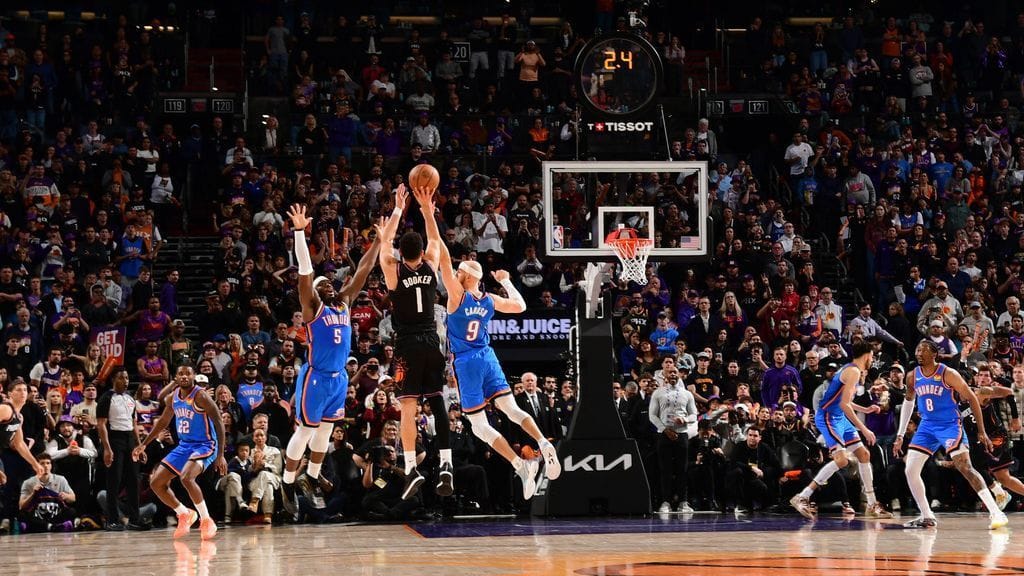
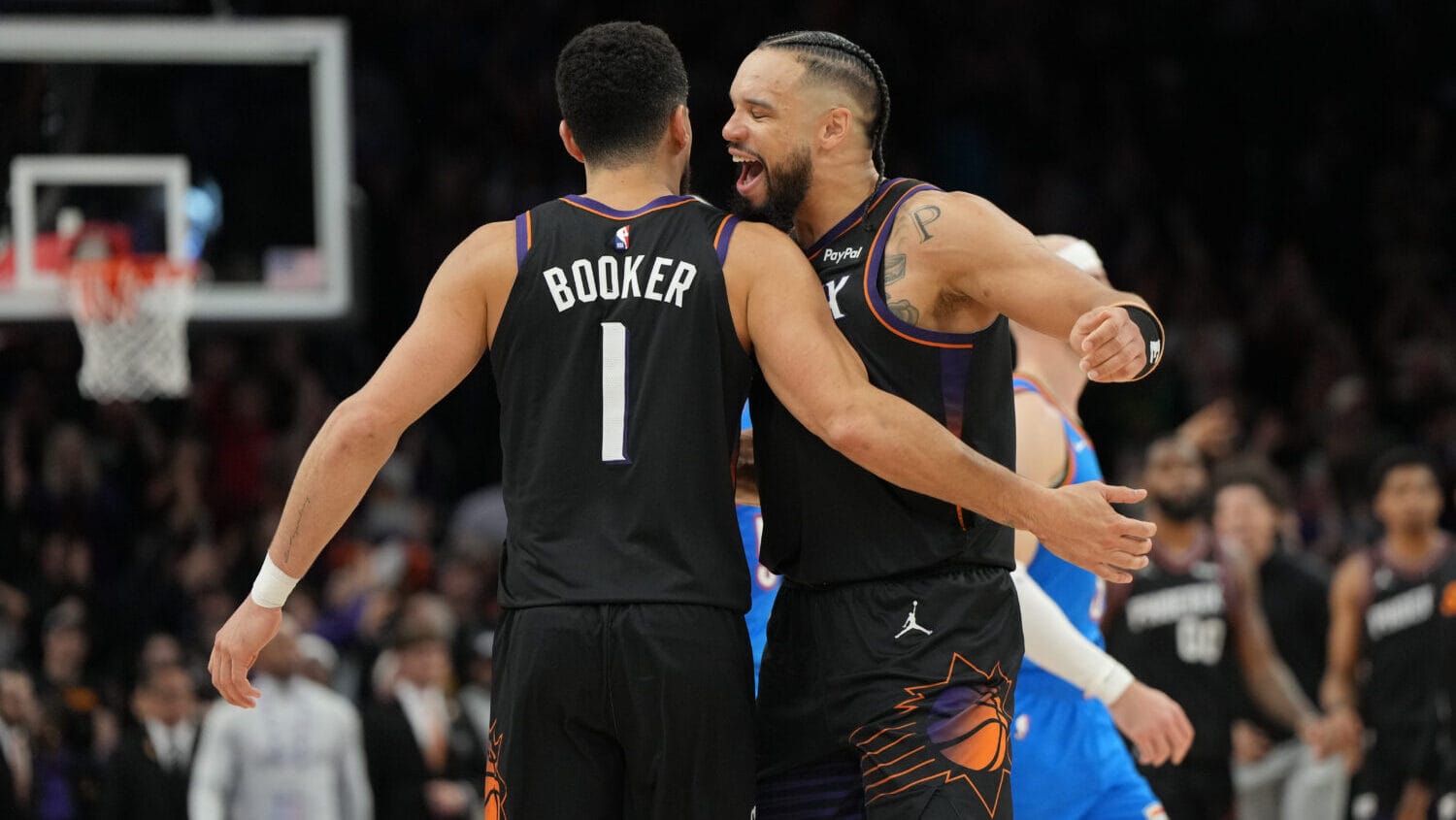
But listen, if you watched that game, if you saw Devin Booker calmly pull up over the outstretched arms of a panicked defense and sink that dagger with less than a second left, cementing the fact that raw, unquantifiable human grit and sheer, arrogant confidence can still smash the carefully calculated expected value models pushed by every spreadsheet jockey in the modern NBA, you know damn well this was more than just some randomized statistical deviation that the nerds will try to smooth out with regression analysis, because moments of pure, unadulterated cold-blooded execution are the last bastion of true sport against the relentless march of automated predictability that is sucking the spontaneity out of the league like a cheap vacuum cleaner cleaning up spilled popcorn. What a shot. And everyone who claims this game is now purely about efficiency and optimizing shots—you know, the guys who push the idea that the mid-range jumper is dead and that everything must be corner-three or layup—got punched right in the mouth, because that game-winner was neither, yet it was absolutely perfect, embodying the kind of visceral, unplanned genius that no algorithm could ever reliably teach or predict, which is precisely why these moments are becoming so rare and so precious in a league increasingly sterilized by the pursuit of the perfect, data-driven roster built on projections that forget that players are, shocker, actual people. But they won. Because what we saw Sunday night wasn’t just a win; it was a defiant middle finger to the entire Silicon Valley influence peddling their ‘optimal play sets’ and ‘load management protocols’ right into the front offices of teams like OKC, who are maybe a little *too* enamored with building the perfect predictive model, forgetting that sometimes you just need a dude who wants the smoke and doesn’t care what the probability chart says about that specific possession. And it is absolutely sickening how the league has normalized this approach, where every move is traceable, every player movement is mapped via tracking chips, and every decision is scrutinized through the cold, emotionless lens of maximizing shareholder profit by minimizing physical risk, reducing the athletes to mere commodities whose performance metrics are constantly fed back into the system to refine the next generation of predictive models that are designed not to make the game better, but safer and thus, crushingly boring. They track everything.
The Death of Clutch and the Rise of the Algorithmically Managed Athlete
Q: How exactly is the current NBA, specifically in 2026, being ruined by the relentless pursuit of data optimization?
And it goes far beyond just shot selection, folks; we are now witnessing the total erosion of the competitive spirit fueled by these ‘wellness’ and ‘load management’ apps, where players are told by a machine when they can exert effort, when they need rest, and when they are deemed a ‘high injury risk’ based on algorithms that pull data from sleep trackers, heart rate monitors, and minute-by-minute motion analysis gathered by cameras that watch every single practice and game, creating an environment where the players are constantly worried about failing the biometric test rather than failing the competition. This is baloney. But if you analyze the data provided by companies like Kinexon and Second Spectrum, who boast about their ability to quantify everything from player fatigue indexes to defensive alignment efficiencies, you start to realize that the ‘coaching’ is increasingly done by the machine, with human coaches serving merely as interpreters of the sacred data, which inevitably leads to predictable, risk-averse play styles that favor sterile efficiency over spontaneous brilliance, exactly the kind of stuff that makes watching regular season NBA feel like staring at a spreadsheet on a Tuesday night instead of a gripping athletic contest. That’s the problem. Because look at the Thunder: they are the poster child for the rebuild through pure statistical accumulation, meticulously collecting draft picks and assets while prioritizing ‘long-term projected value’ over immediate competitive fire, demonstrating a technological philosophy where today’s loss is merely a necessary input for tomorrow’s optimized outcome, neglecting the fact that true championship pedigree is built by winning tough, ugly games like the one the Suns just snatched from them with raw human will, something that cannot be modeled, simulated, or traded for. That is the soul. And the sheer volume of data being processed is terrifying, creating a feedback loop where players are groomed from high school to fit an algorithmic ideal—the ‘perfect wing’ or the ‘optimized center’—meaning fewer unique players and more interchangeable parts, designed to reduce variance and maximize win probability in simulations, turning basketball into an industrialized manufacturing process rather than a dynamic sport decided by unexpected human decisions under immense pressure. It breeds conformity.
The Dystopian Future of 2030: When the Screens Win
Q: What happens next if we continue down this path of algorithmic governance in professional sports?
But the future, my friends, is already here, just distributed unevenly, and if the NBA continues to allow tech behemoths to dictate the terms of competition, we are heading for a truly bleak landscape where human emotion is engineered out of the game, replaced by mandatory rest schedules dictated by biometric monitors that shut down players mid-game if they exceed pre-set thresholds for exertion, ensuring a ‘safer’ product that is ultimately devoid of passion. We’ll lose everything. And imagine this: the league offices, in a few short years, will adopt an AI-driven ‘Competitive Balance Score’ that dynamically adjusts salaries and draft orders in real-time based on calculated market efficiency and projected team success, effectively removing the possibility of a surprise run or a truly dominant dynasty, all in the name of ensuring maximum parity for television ratings, demonstrating that the pursuit of statistical equality is far more important than the glory of genuine, hard-earned dominance achieved through sheer talent and perseverance outside of a predetermined data set. It is a sham. Because ultimately, the Tech Skeptic sees Booker’s shot not as a clutch moment, but as an act of resistance—a brief flash of sunlight through the dreary, digital fog that is enveloping the league, reminding us that no matter how sophisticated the tracking chips, how advanced the biomechanics labs, or how smart the predictive modeling software gets, there will always be a moment when a human being, fueled by instinct and a healthy dose of showmanship, throws the entire optimized system into chaos simply by making a play the machine didn’t account for, thereby preserving the tiny, fragile hope that the chaos of humanity still holds power over the tyranny of clean, predictable data. We must fight back. And the terrifying reality is that most fans are simply accepting this shift, consuming the data points provided by the broadcast — the expected field goal percentage graphics, the real-time defensive ratings, the probability swings — as if these metrics represent the objective reality of the sport, when in fact they are merely layers of technical distraction, designed to sell us on the idea that the game is controllable and predictable, which, if it were true, would mean the game is already dead, turning the NBA into a highly polished, high-definition version of chess played by incredibly tall robots. We are being fed lies. Because while the Suns earned that grittiest win of the season over the Thunder, according to Vinny’s View, the real victory belongs to the concept of the unpredictable human spirit, and if we fail to recognize and celebrate these moments of true, unoptimized flair, we will eventually be left with a product that is flawlessly efficient, medically perfect, financially optimized, and utterly soulless, a high-tech echo of what professional basketball once was before the nerds decided they could quantify magic. We have been warned. We must cherish those spontaneous, ice-in-the-veins moments like Booker’s winner, because they are quickly becoming a dinosaur in this sterile, analytics-driven zoo the NBA has become, demanding we remember that computers track the game, but humans *feel* it, and that feeling is what they are trying to steal with every new piece of tracking software they introduce this season and the next, leading up to a 2026 where grit is a banned word and Booker is probably getting fined for exceeding his ‘Maximum Emotional Output’ threshold during clutch time. It is a disgrace. And so, as we look ahead to the first full week of 2026, let us not focus on the manufactured narratives derived from expected win-loss ratios or the latest injury updates fed to us by proprietary tracking systems, but rather on the defiant players who refuse to be categorized and managed, those few who are willing to reject the perfectly tailored data model in favor of the risky, unexpected, and ultimately legendary play, because that is the only way to save the soul of basketball from the inevitable, boring triumph of the algorithm. Remember this moment.