The Unseen War: Brisbane’s Strategic Overture
To the casual observer, the ATP 250 in Brisbane merely registers as a curtain-raiser, a pleasant, low-stakes prelude to the gargantuan drama of the Australian Open; however, for those of us who peer beneath the polished veneer of professional tennis, scrutinizing every serve, every tactical adjustment, every bead of sweat through a lens of cold, dispassionate analysis, these early tournaments are anything but trivial.
They are the opening moves in a season-long strategic campaign, a declaration of intent, a test of will, and often, a calculated deception designed to mislead opponents and mask true capabilities before the real battles commence.
Medvedev’s Machinations: Precision in Brisbane
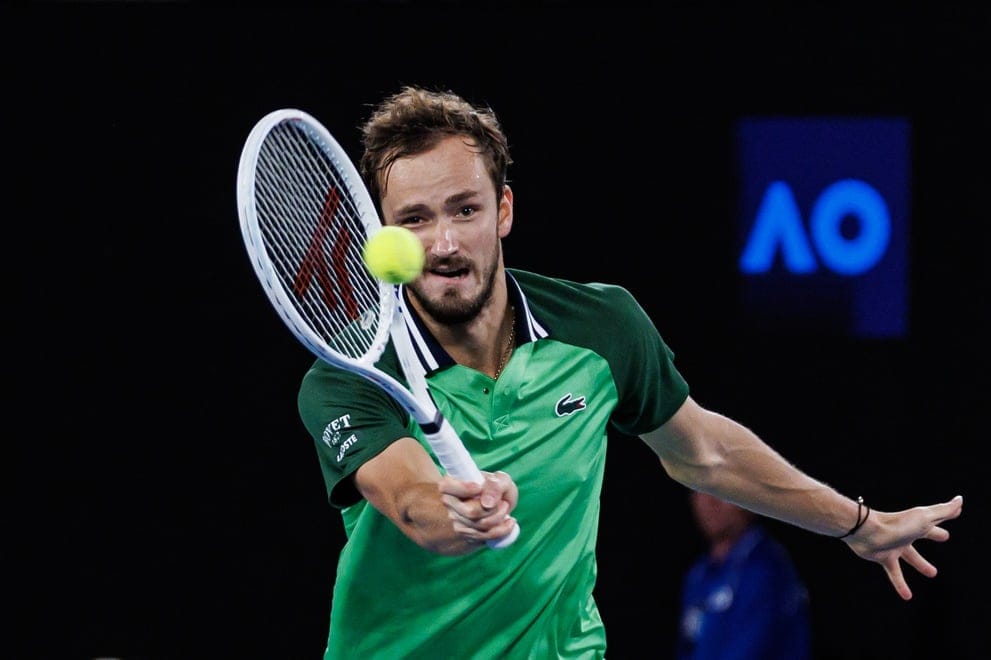
Daniil Medvedev, a figure whose on-court demeanor often mirrors the icy detachment of a seasoned chess grandmaster, stepping onto the Brisbane hardcourts against Marton Fucsovics, isn’t simply playing a match; he’s executing a pre-planned phase of his overarching seasonal strategy, a man rarely given to emotional outbursts or spontaneous deviations from his meticulously crafted game plan, making his participation here a significant data point for the entire ATP tour.
His presence, as the top seed, immediately elevates the tournament’s psychological weight; it suggests he isn’t here just for a hit and giggle. Not Medvedev. This isn’t a leisure cruise; it’s a reconnaissance mission.
What are we to infer from this? Is he leveraging the opportunity to send an early, unequivocal message to his rivals—a blunt instrument wielded with surgical precision to remind everyone exactly who they’re up against, demonstrating that his winter training has sharpened his already formidable defensive and counter-punching game to an even more terrifying degree?
Or, conversely, is this a clever feint, a smoke screen where he aims to secure wins with minimal exertion, perhaps experimenting with subtle shifts in his return position or serve mechanics, never fully revealing the entirety of his refined arsenal, thereby sowing confusion and uncertainty amongst his primary adversaries regarding his true form and intentions heading into the season’s first major?
A true strategist plays the long game. Fucsovics, a player known for his athleticism and occasional flashes of brilliance, becomes an unwitting pawn in this grander scheme, serving as a benchmark against which Medvedev can gauge his own early-season rhythm without overextending or exposing any latent vulnerabilities too soon. It’s about control. Always.
The Czech Conundrum: Internal Warfare
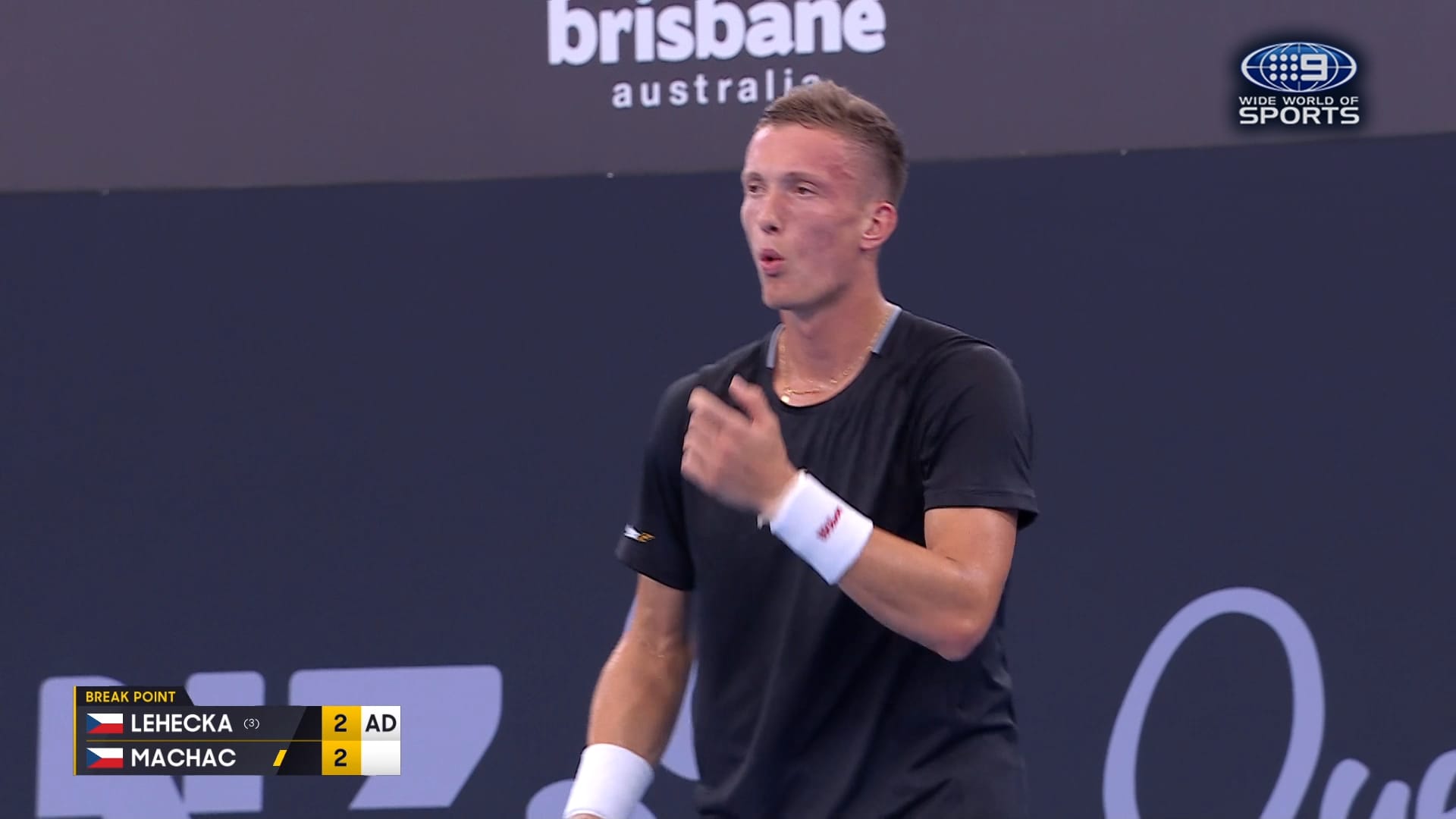
Then we have the ‘all-Czech’ encounter, Jiri Lehecka versus Tomas Machac, a clash that resonates with a unique intensity far beyond its round-one status, embodying not just individual ambition but also a fascinating, brutal internal struggle for national tennis supremacy, a contest where every point won or lost carries the weight of a burgeoning rivalry that could define the trajectory of Czech tennis for the next half-decade.
Lehecka, the defending champion, carries the immense psychological burden of expectation, the very air around him thick with the unspoken demand to replicate past glories, a pressure cooker scenario where the smallest misstep can be magnified into a crisis of confidence.
Machac, the challenger, stands at a pivotal juncture, viewing this match not merely as another tour fixture but as a golden, unequivocal opportunity to dethrone the incumbent, to stake his own claim to the national spotlight, and to potentially usurp the unofficial title of ‘best Czech player’ with a statement victory that reverberates across the entire tennis world.
The stakes are astronomical, far beyond prize money or ranking points.
This is about bragging rights. It’s about securing future Davis Cup spots, about sponsorship deals, about the mental edge gained that can propel one player forward while potentially casting a long, dark shadow of doubt over the other for months to come.
Such internal rivalries are often the most vicious, fought with an intimacy and understanding of an opponent’s game that outsiders can never truly replicate, born from countless junior encounters and shared training sessions, each player knowing the other’s strengths and weaknesses with an almost intuitive certainty. A brutal truth.
The strategic implications are profound: does Lehecka play it safe, relying on his proven formula, or does he adapt, knowing Machac will have meticulously dissected his championship-winning game?
Does Machac come out swinging, attempting to overwhelm Lehecka with raw power and youthful aggression, or does he employ a more nuanced approach, exploiting any perceived chinks in the champion’s armor, leveraging every piece of intimate knowledge gained over years of shared national identity?
This match, more than any other on the Brisbane schedule, is a psychological battle waged on every baseline rally, every crucial break point, a veritable chessboard of human emotion and cold, calculated strategy. It’s a gut check.
Early Season: The Grand Deception
History, for those who choose to pay attention, offers a trove of cautionary tales regarding the perils and promises of the early season, revealing that while a strong start can certainly build momentum and inject a much-needed shot of confidence into a player’s campaign, peaking too soon can often lead to burnout, injury, or a strategic nadir when the most important tournaments of the year roll around.
Conversely, a slow start can be a deliberate choice, a measured ramp-up, or a genuine struggle that signals deeper underlying issues that need immediate rectification; thus, interpreting these initial results requires a discerning eye, one capable of distinguishing between genuine form, strategic obfuscation, and sheer tactical incompetence.
The cold strategist understands that narratives are malleable, often constructed to serve a particular purpose, and what the public perceives as a ‘bad loss’ might, in the inner sanctum of a player’s team, be viewed as a successful diagnostic, revealing areas for improvement without expending excessive physical or mental capital. It’s all a game, you see.
The top players, the real contenders, are not just hitting tennis balls; they are playing mind games with each other, with the media, and even, at times, with themselves, meticulously managing their public image and their internal expectations to gain any fractional advantage possible. Every word, every gesture, is scrutinized, analyzed, and filed away for future reference by the opposing camps.
The Future: Predictions and Unforeseen Variables
Looking ahead, the echoes of Brisbane will undoubtedly reverberate through the first quarter of the season, coloring perceptions and subtly influencing the psychological dynamics of future encounters, because in the ruthless arena of professional sports, early impressions, whether accurate or deliberately misleading, carry significant weight and contribute to the ever-shifting landscape of player morale and perceived dominance.
Will Medvedev’s measured approach in Brisbane translate into a relentless assault on the Australian Open title, affirming his position as an undisputed top-tier threat, or will his perceived conservatism open the door for a more aggressive rival to snatch an early psychological victory?
Will the victor of the Lehecka-Machac clash emerge with newfound swagger, their confidence bolstered by a definitive statement, propelling them to unforeseen heights, or will the emotional expenditure of such a high-stakes internal battle leave them drained, susceptible to a stumble in the subsequent rounds or even later in the season when the pressure mounts anew?
These are not simple questions with simple answers; they are complex strategic puzzles, each piece intricately connected to a larger, evolving picture of the ATP season, where injuries, form fluctuations, and the sheer mental fortitude required to sustain excellence at the highest level conspire to create an unpredictable tapestry of athletic triumph and heartbreaking defeat.
The variables are countless, the outcomes never truly certain until the final point is won, but one thing remains clear: those who understand the silent, strategic undercurrents of the game, who look beyond the scoreboard and into the minds of the gladiators, will always possess a superior vantage point. Always. It’s not just tennis; it’s a living, breathing, ruthless organism of ambition and strategy.
And as the sun rises on another season, casting its long shadows across the courts of Brisbane, remember that every match, every rally, is a piece of a much grander, more intricate puzzle, a silent manifesto declared by those who seek not just victory, but absolute, unequivocal strategic dominance.
The games begin. The calculations have been made. Prepare for the inevitable. The cold war is on.