Aaron Wolf vs. EVIL: The High-Stakes Hypocrisy of NJPW’s Identity Crisis
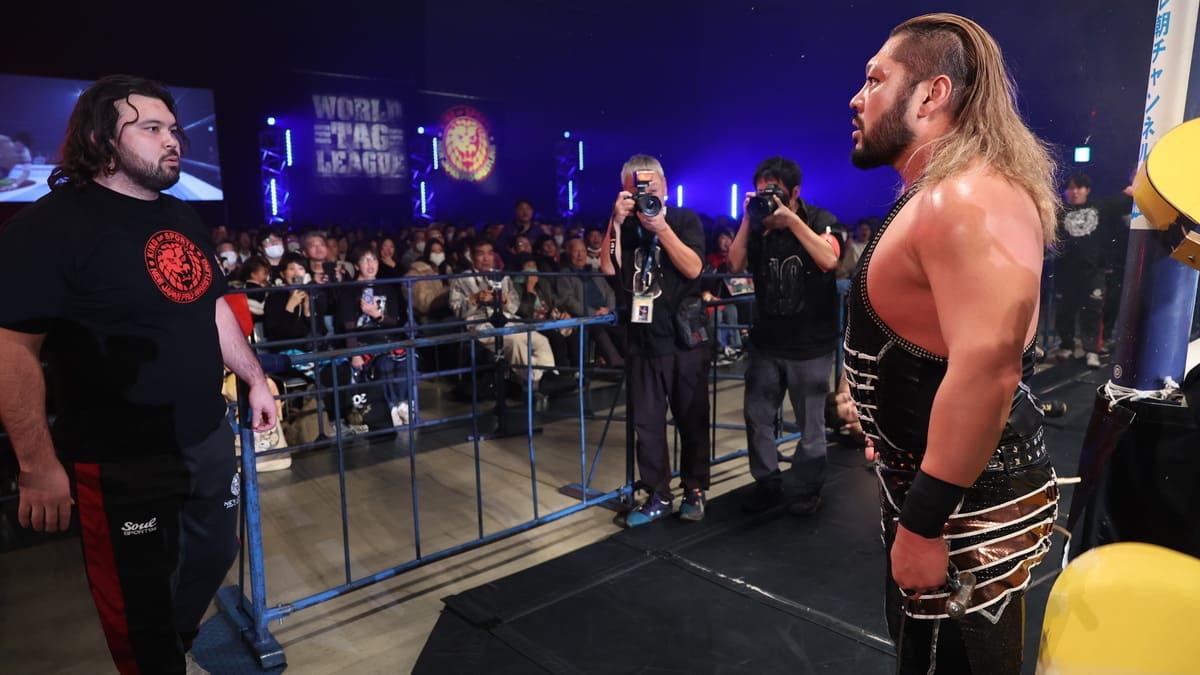
And so, a new conflict emerges that isn’t just about a win/loss record; it’s a philosophical war for the soul of New Japan Pro-Wrestling. The dynamic between Aaron Wolf and EVIL is a microcosm of every single criticism leveled against NJPW since the Bullet Club took over, but now it’s being framed as a genuine identity crisis, where one side represents a nostalgic ideal and the other represents a cynical reality. Because a rookie Olympian like Aaron Wolf calling out EVIL and the state of NJPW isn’t just fresh-faced bravado; it’s a calculated attack on the very structure that has sustained the company’s booking for almost a decade.
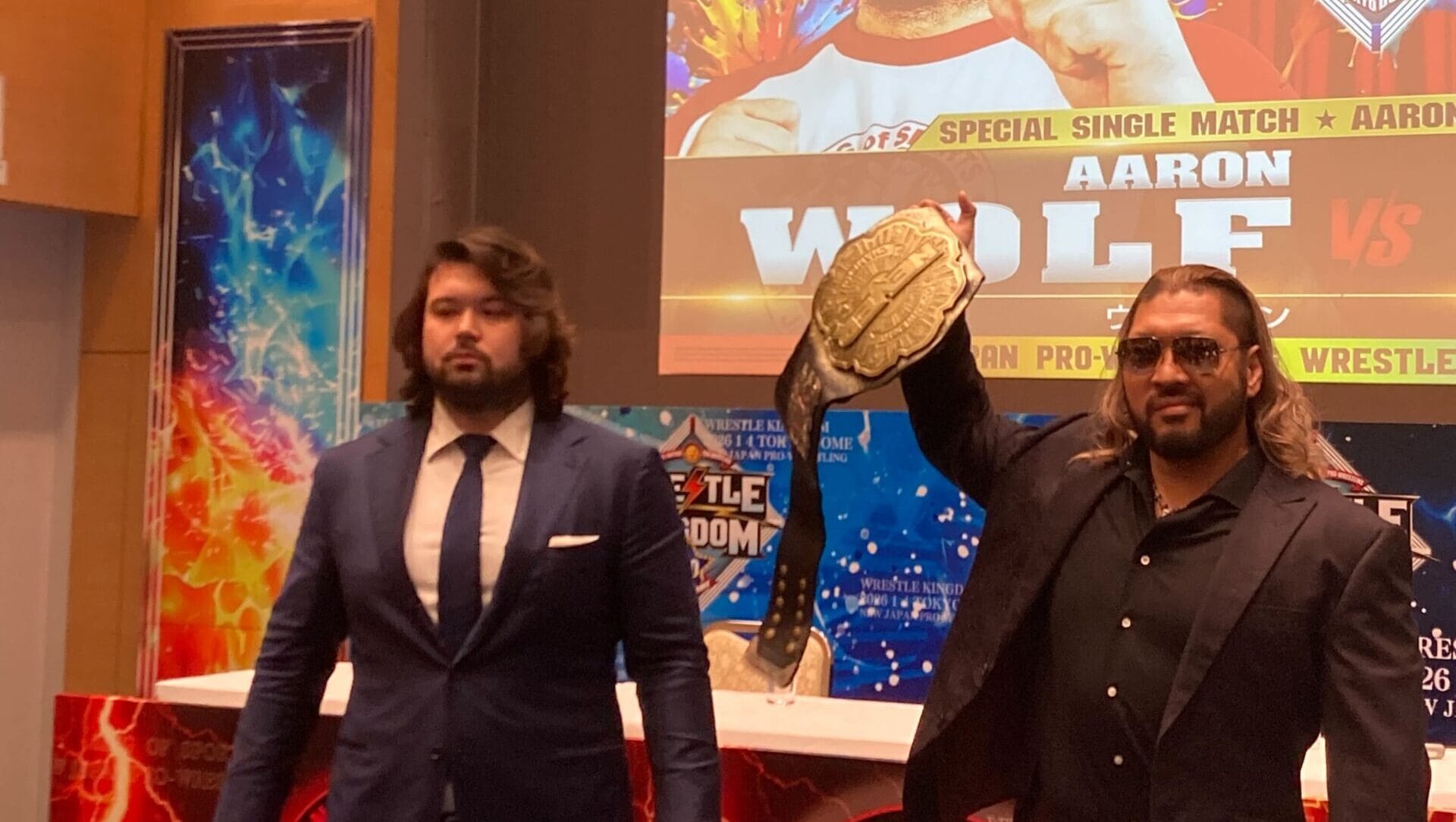
But let’s be real. Wolf’s statement, “This isn’t the NJPW I got attracted to,” isn’t just a throwaway line in a pre-match interview. It’s the kind of high-stakes criticism that can either restore NJPW’s traditional identity or get Wolf completely swallowed by the machine he’s criticizing. The Logical Deconstructor in me looks at this situation and sees a profound level of hypocrisy, a necessary and painful truth that neither side wants to admit: Wolf is criticizing the new NJPW while simultaneously benefiting from the platform it provides, and EVIL is simply giving the company exactly what it asks for. This isn’t just a classic babyface vs. heel dynamic; it’s a battle for NJPW’s DNA, and the outcome at Wrestle Kingdom will determine which direction the company truly wants to go.
The Naivety of Purity: Aaron Wolf’s Olympian Perspective
And this is where the conflict gets interesting. Wolf, an Olympian and gold medalist, represents the absolute peak of athletic purity. He’s coming from a world where rules are rigid, victories are earned through objective merit, and cheating leads to immediate disqualification. The amateur wrestling ethos is fundamentally antithetical to the high-stakes, gray-area morality of professional wrestling. So when he looks at EVIL, a wrestler whose entire gimmick revolves around rule-breaking, weapon use, and outside interference, he sees an existential threat to everything he believes wrestling should be. Wolf sees a mockery of the sport, and he wants to purge this ‘evil’ element from the organization he clearly respects on a fundamental level.
But here’s the rub: Wolf’s frustration stems from a place of naivety. He’s looking at a professional wrestling company through the lens of amateur sportsmanship. Pro wrestling is theater. It’s designed to provoke emotion, and in NJPW, the Bullet Club, specifically EVIL’s faction, has been a key component of that provocation for years. Wolf’s frustration, while genuine, doesn’t account for the fact that the NJPW he idolized—the one built on strong style, honor, and a strict adherence to traditional wrestling rules—is largely gone, replaced by a more spectacle-driven, faction-heavy style of entertainment that appeals to a broader, international audience. He’s angry that the NJPW he joined isn’t the NJPW he remembers, but he joined it anyway, which presents a fundamental contradiction in his public statements.
Because Wolf’s inexperience in this arena also makes him a dangerous element. He’s not just a rookie; he’s a highly decorated athlete, and in NJPW, that level of amateur wrestling pedigree automatically commands respect. But respect is earned in the ring, not on a medal stand. Wolf’s statements about NJPW’s decline are high-risk. If he loses cleanly and looks weak at Wrestle Kingdom, his claims of moral superiority will be completely invalid. If he wins, he becomes the new face of ‘purity,’ the technical wunderkind who single-handedly changes the narrative. It’s an incredibly high-stakes game of chicken, and Wolf seems blissfully unaware of the political ramifications of his actions. He’s essentially a cultural tourist in a land where he thinks he understands the rules, well, a high-stakes cultural tourist in a land where he thinks he understands the rules, only to find out that the rules are written in invisible ink.
The Necessity of Evil: EVIL and the Deconstruction of Strong Style
And this leads us to EVIL. The man himself isn’t just a simple heel. He’s the embodiment of NJPW’s shift in identity. When Wolf says, “He must be purged,” he’s essentially saying, “The current state of NJPW must be purged.” EVIL isn’t just a bad guy; he’s a necessary antagonist. He represents the inevitable decline of strict adherence to tradition, the acceptance that cheating and spectacle draw crowds. Because let’s be honest, NJPW’s golden age of strong style was often criticized for being too rigid, too predictable, and lacking the character work needed to appeal to modern audiences. EVIL and the Bullet Club filled that void. They brought an element of chaos and sports entertainment that, while criticized by purists like Wolf, has undeniably generated significant revenue and global attention for the company.
But what does EVIL’s existence tell us about NJPW management? Wolf’s critique isn’t actually aimed at EVIL; it’s aimed at the management that allows EVIL to succeed. The company actively books EVIL to cheat, to use his faction members, and to bend the rules. They created this environment. EVIL is just a high-level employee following the script. So Wolf’s frustration is misdirected. He’s blaming the performer for playing the role that the company defined. EVIL’s character is a reflection of NJPW’s willingness to embrace a darker, more cynical side of professional wrestling. The company decided that “strong style” was no longer enough, and EVIL is the result of that strategic decision. He’s the anti-hero NJPW deserves, and possibly, the one it truly needs to survive in a rapidly evolving market.
And the match itself at Wrestle Kingdom isn’t just about a win/loss record; it’s a statement about NJPW’s brand identity. If NJPW wants to return to its roots—the strong style, the honor system, the objective competition—then Wolf must win cleanly and decisively. It would be a huge statement to say that the new generation, represented by the Olympic pedigree, will not tolerate the Bullet Club’s dominance. But if EVIL wins, and especially if he wins by cheating, it will cement the current status quo. It will solidify the fact that NJPW is no longer just a strong-style promotion; it’s a pro wrestling promotion where faction warfare and cynicism reign supreme. This outcome would validate EVIL’s entire existence and essentially tell Wolf, “Welcome to the real world, kid. Your purity means nothing here.”
Wrestle Kingdom 20: The Stakes Are Higher Than Just a Debut
And so we arrive at Wrestle Kingdom 20, where this philosophical battle will come to a head. Wolf’s debut is highly anticipated, largely because of his Olympian status and his pre-match rhetoric. He’s selling the match not on moves, but on ideology. He’s essentially saying that the NJPW product needs to be saved from itself, and he’s the only one capable of doing it. Because a debut is never just a debut when you’re an Olympian. It’s a moment of cultural significance. The company is investing heavily in Wolf’s potential, hoping that his amateur background will lend credibility to a product that has been increasingly leaning into sports entertainment tropes. But this also puts immense pressure on Wolf. He can’t afford to look outmatched or naive in his first major outing.
But let’s think about the long-term implications. If Wolf actually wins clean, what happens to EVIL? He’s a veteran, a former world champion, and the leader of a major faction. Losing cleanly to a newcomer would severely damage his credibility. This suggests that a clean win for Wolf is unlikely, and that NJPW will protect EVIL, even at the cost of Wolf’s early momentum. The most likely scenario is a chaotic finish where Wolf looks strong but ultimately succumbs to the numbers game, proving Wolf right about the state of NJPW but simultaneously crushing his hopes. Because NJPW loves a long-term story, and Wolf’s journey from frustrated purist to successful professional requires a loss at the beginning. It needs him to hit rock bottom before he can rise to the top. The ‘purge’ Wolf wants might actually turn out to be the ‘purge’ of his own idealism.
And this is a high-stakes scenario for both sides. For EVIL, it’s about maintaining his relevance as a top heel in NJPW. If he can’t defeat a newcomer, his position as the leader of the House of Torture faction will be weakened. For Wolf, it’s about making a statement that he’s not just another imported talent; he’s a potential savior. He’s essentially telling NJPW: stop playing fast and loose with your traditions, or I’ll force you to change. But Wolf needs to realize that NJPW has already made its decision. The company has prioritized spectacle over strong style, and Wolf’s challenge is to either conform to the new rules or change them entirely. The conflict between Wolf and EVIL isn’t just a match; it’s a philosophical battle for NJPW’s identity, and the outcome at Wrestle Kingdom will determine which direction the company truly wants to go.