
The Perfect Health Performance: A Cynic’s Look at Presidential Wellness
Ah, the perpetual dance of the political strongman and his allegedly flawless physique. Donald J. Trump, a man whose public persona is meticulously curated, frequently assures everyone within earshot that he possesses the vitality of a thoroughbred, despite a diet that would make most cardiologists spontaneously combust and an age that generally invites a more nuanced conversation about one’s physical state. It’s a classic Trumpian spectacle, really, this insistent declaration of ‘perfect health’ even as the world watches him age, like, you know, a human being.
The Aspirin Anomaly: Cracks in the Facade?
Then comes the little bombshell: Trump himself admitting he takes a high daily dose of aspirin. Now, for most of us, an aspirin is a common enough pill, a pain reliever, a blood thinner prescribed for specific cardiovascular concerns. But for a man so vocally invested in his image as an apex specimen of health, it’s a bit of an eyebrow-raiser, isn’t it? A high daily dose of aspirin isn’t typically something you just do for kicks; it suggests a medical rationale, an underlying concern that probably doesn’t quite align with the ‘perfect health’ narrative he pushes with such gusto. It’s a paradox.
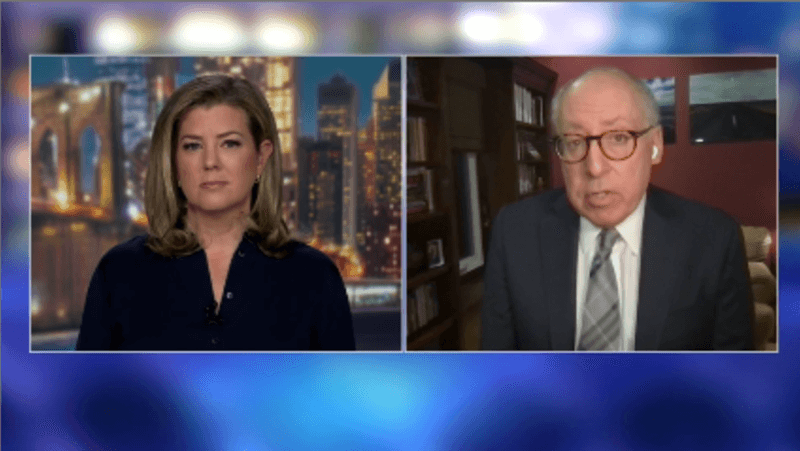
You’ve got to wonder, what gives? Is it a preventative measure against some undisclosed risk, a whisper from a doctor that Trump has conveniently translated into ‘preventing me from becoming even more perfect?’ Or is it a carefully deployed piece of information, designed to seem transparent while actually deflecting from deeper inquiries? The media, of course, jumps on it like hungry sharks on chum, dissecting the implications of such a regimen. CNN’s medical analysts, like Dr. Jonathan Reiner, are brought in to decipher the tea leaves, explaining the medical pros and cons of long-term aspirin use, especially in an older population. They talk about stomach issues, bleeding risks, the whole shebang. It’s a crucial discussion.
The Defiance of the Aging Process: A Political Strategy
Trump’s response to any hint of aging or frailty is always the same: defiance. It’s a bedrock of his political brand, an unwavering refusal to concede weakness, even to the inevitable march of time. Remember when signs of aging emerge? He simply doubles down, proclaims himself healthier, sharper, more energetic than ever before. It’s a power play, a psychological tactic meant to project an image of unassailable strength to his base, who, let’s be honest, aren’t looking for vulnerability in their chosen leader. They want a titan.
This isn’t just about personal vanity; it’s deeply political. In the cutthroat arena of American politics, a candidate’s health, real or perceived, can become a potent weapon or a crippling liability. Historically, presidents and presidential hopefuls have gone to great lengths to either conceal or exaggerate their health status. Think about JFK’s Addison’s disease, meticulously hidden, or FDR’s polio, presented as a character-building struggle. Trump, however, takes it to another level, actively constructing a reality where his health is not just good, but supernaturally good, bordering on invincible.
Truth Social: The Echo Chamber of Self-Certification
And where does he often broadcast these claims? On platforms like Truth Social, his own digital domain, a walled garden where his proclamations can flourish relatively unchallenged by fact-checkers or dissenting voices. It’s the perfect echo chamber for self-certification. On Truth Social, the narrative of ‘perfect health’ isn’t just maintained; it’s amplified, reinforced by an adoring audience eager to believe in the indefatigable nature of their champion. It’s a brilliant, if cynical, use of modern media to control the narrative entirely. The ‘truth’ becomes whatever he says it is.
The danger here isn’t just about misleading the public about one man’s physical condition; it’s about the broader erosion of trust in objective reality itself. When a public figure, particularly one of such immense influence, can repeatedly assert an easily verifiable falsehood about something as fundamental as their health, and largely get away with it, it sets a troubling precedent. It teaches us that image trumps truth, that conviction in delivery matters more than empirical evidence. That’s a tough pill to swallow for anyone who values honest discourse.
The Historical Precedent: Presidential Health Under Wraps
Delving into history, presidential health has always been a sensitive subject. For generations, the public often learned about a president’s serious ailments only after the fact, if at all. Woodrow Wilson’s stroke, Eisenhower’s heart attacks, even Grover Cleveland’s secret cancer surgery on a yacht—these were all either concealed or downplayed to maintain an image of stability and strength. The rationale was often national security; projecting weakness could embolden adversaries. This historical precedent gave politicians a playbook for secrecy.
But the modern era, with its 24/7 news cycle and pervasive social media, complicates this significantly. While the instinct to control the narrative remains, the capacity to do so absolutely diminishes. Every stumble, every slightly slurred word, every public gaffe is instantly scrutinized, analyzed, and amplified across countless platforms. Yet, Trump, with his unique rhetorical style, manages to defy these modern constraints, not by greater transparency, but by sheer force of will and a relentless insistence on his own version of reality. It’s a masterclass in psychological operations.
The Implications of High-Dose Aspirin: A Deeper Dive
Let’s circle back to this ‘high daily dose of aspirin.’ It’s not just some benign vitamin, is it? Aspirin, or acetylsalicylic acid, can be a lifesaver for those at risk of heart attack or stroke by thinning the blood. However, it also carries significant risks, including gastrointestinal bleeding, stomach ulcers, and hemorrhagic stroke. For an individual in their late seventies, these aren’t minor concerns. A medical professional would prescribe such a regimen only after a careful assessment of risks versus benefits, indicating that there *are* indeed underlying cardiovascular risks that warrant such aggressive preventative action.
To then square this reality with the consistent refrain of ‘perfect health’ requires a suspension of disbelief that would make even the most dedicated conspiracy theorist blush. It’s like saying your car is in ‘perfect condition’ while you’re constantly topping up its leaking oil pan. Sure, it might still run, but it’s far from perfect. The question isn’t whether Trump *can* function, but rather what specific health conditions necessitate this ongoing medication, and why he feels compelled to hide the logical implications of taking it. It’s the elephant in the room.
Future Predictions: The Endless Scrutiny
Looking ahead, this whole saga serves as a preview of presidential campaigns to come. The health of candidates, particularly older ones, will continue to be a focal point, perhaps even more intensely so. The public’s right to know versus a candidate’s right to medical privacy will remain a hotly debated topic. Will future candidates feel pressured to release more comprehensive medical records, or will they, like Trump, double down on defiance and strategically release minimal, carefully curated information?
My bet? The latter. The current political climate rewards obfuscation and narrative control far more than transparent vulnerability. We’re likely headed for an era where medical reports become even more carefully stage-managed, designed to present an optimal image rather than a complete picture. The public, starved for genuine information, will continue to feast on scraps, rumors, and the analyses of medical talking heads, forever trying to piece together the true health status of those who seek to lead them. It’s a perpetual cat-and-mouse game, really.
The Cynic’s Final Word: It’s All a Show
So, Donald Trump takes a high daily dose of aspirin. So what? It’s just another thread in the tapestry of his carefully constructed reality, a minor detail that, when examined closely, exposes the inherent contradictions in his public performance. His ‘perfect health’ isn’t a medical diagnosis; it’s a political slogan, a declaration of intent designed to project power and repel dissent. The signs of aging, the medical interventions, the persistent questions—these are just background noise to the man who believes his word alone is sufficient truth.
We, the cynical investigators of the news, can only watch, analyze, and occasionally roll our eyes. Because ultimately, for figures like Trump, everything is a show, and their health is just another act in the grand theatrical production of their political lives. It’s a narrative, a brand, a constant reaffirmation of self. Perfect? Absolutely not. Politically effective? You bet your bottom dollar. This whole charade, it’s just a reminder: believe nothing you hear, and only half of what you see. It’s the only way to stay sane in this circus.

Photo by geralt on Pixabay.