
The ‘Invincible Alliance’: A Desperate Charade Unmasked by an Insider
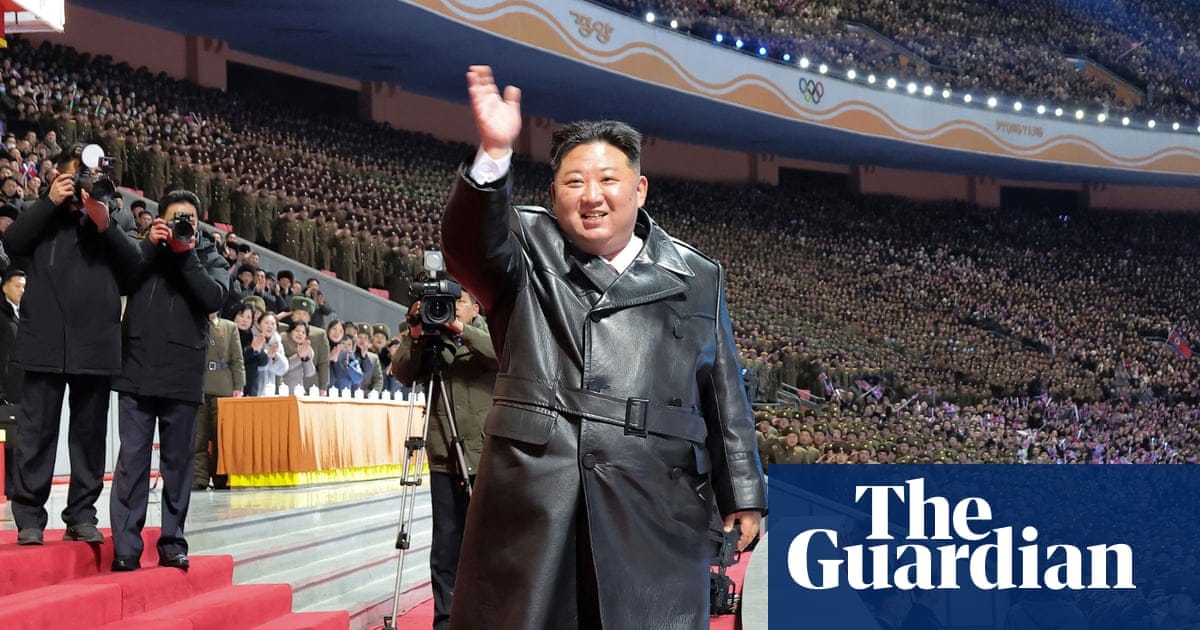
Alright, folks, let’s cut through the noise, shall we? You hear the official lines, the state media trumpeting, the grand pronouncements from Pyongyang. Kim Jong Un, trotting out his daughter, Ju Ae, at New Year’s shindigs, then banging on about an “invincible alliance” with Russia. Invincible? Seriously? What in the blazes are they trying to pull here? It ain’t exactly a secret handshake between world powers, is it? This whole spectacle, from the darling daughter to the chest-thumping rhetoric, reeks less of strength and more of a desperate, last-gasp plea for relevance on a global stage where both regimes are increasingly isolated pariahs.
Look, I’ve been watching these guys for a minute, and when Kim starts talking about “troops fighting abroad” and an “invincible alliance,” you gotta ask yourself: what’s the real story beneath the carefully staged photo ops? You don’t wave your nuclear-armed little girl around and then declare an “invincible alliance” unless you’re feeling the pinch, unless you’re looking for a lifeline, unless you’re trying to project an image that’s miles away from the grim reality on the ground. And believe me, the reality is grim for both of them.
Pyongyang and Moscow: A Marriage of Inconvenience, Not Conviction
Let’s be brutally honest: this isn’t some ideological love affair forged in the fires of shared principles. Nah, this is a transactional relationship, pure and simple. It’s born out of necessity, a convenient arrangement between two international outcasts with a common enemy: the West. Russia needs artillery shells, drones, and maybe even some cannon fodder — don’t kid yourself, that “troops fighting abroad” line is no doubt code for something far more sinister — and North Korea, bless its totalitarian heart, needs hard currency, advanced military tech, and a diplomatic shield at the UN. It’s a quid pro quo that makes Machiavelli look like a rank amateur.
But “invincible”? Come on. History’s littered with alliances that seemed unbreakable until they hit a snag, usually when one party realizes they’re getting the raw end of the deal or finds a better partner. And what about China in all this? Don’t think for a second Beijing isn’t watching this unholy hookup like a hawk, calculating every single geopolitical ripple. They’re probably thinking, “Alright, kids, play nice, but don’t screw up our regional stability.” It’s a delicate dance, a high-stakes poker game where everyone’s got an eye on everyone else’s cards, and trust me, there’s no honor among thieves, especially in geopolitics.
The very phrase “invincible alliance” is a tell, isn’t it? It’s the kind of overcompensation you hear from regimes that are actually deeply insecure, facing internal pressures or external threats they can’t handle alone. It’s a performance for the domestic crowd, a message to the starving masses: “See? We’re not alone! We have powerful friends!” Never mind that these powerful friends are themselves struggling to maintain their own facades of strength. It’s a hall of mirrors, folks, reflecting weakness back and forth.
The Kim Dynasty: A Chilling Succession Play in the Shadow of War
And what about Ju Ae? Why trot out the daughter, of all people, now? It’s not just a cute family photo op, I promise you. This is a meticulously calculated move in the grand, terrifying theater of North Korean succession planning. It’s about normalizing the idea of a female leader in a deeply patriarchal society, albeit one born of the Kim bloodline. It’s about showing continuity, stability, a future — a future where the Kim dynasty continues its iron grip on power, no matter how many people starve or how many ballistic missiles they fire into the sea.
Is she being groomed? Probably. Is it a distraction from the horrors of the regime? Absolutely. But it’s also a signal, a chilling echo of past despots parading their heirs. It tells us that Kim isn’t just thinking about today’s missile launch or tomorrow’s food shortage; he’s thinking generations ahead, ensuring his family’s grotesque legacy endures. And what kind of world will she inherit, a world defined by “invincible alliances” with rogue states and nuclear brinkmanship? A terrifying thought, truly.
This isn’t just about Kim making nice with Putin; this is about a desperate consolidation of power, both domestically and internationally. He’s trying to legitimize his regime, his future, and his daughter’s future by associating with another nuclear power, even one bogged down in a disastrous war. It’s a dangerous gamble, one that could backfire spectacularly if Russia’s fortunes continue to wane.
The Real Cost of This Unholy Partnership
Let’s not gloss over the implications here. North Korea, a serial proliferator and human rights abuser, gets a stamp of legitimacy from a UN Security Council permanent member. Russia, in turn, gets a much-needed shot in the arm for its war machine, enabling it to continue its brutal aggression in Ukraine. This isn’t just abstract geopolitics; this has real-world consequences, folks.
Think about the erosion of the international rules-based order. When two states openly flout sanctions, trade arms, and forge an “invincible alliance” despite global condemnation, what message does that send to other aspiring rogue nations? It tells them that if you’re willing to pay the price, there are always partners in crime. It emboldens them, makes them think they can get away with anything. And who pays the price for that? Usually, it’s the innocent civilians caught in the crossfire, the people struggling for freedom and democracy, the ones who don’t have a voice.
The intelligence community, and believe me, they’re working overtime on this, is trying to piece together the exact nature of these exchanges. Are we talking about just artillery shells, or is there a deeper transfer of missile technology, perhaps even nuclear know-how? The implications of *that* would be catastrophic, a game-changer that could fundamentally destabilize the entire Asian Pacific region and beyond. We’re talking about a potential proliferation domino effect, and nobody wants that. Nobody in their right mind, anyway.
A New Cold War, or Just More Hot Air?
Some talking heads are already calling this a new Cold War axis, a return to bloc politics. And you know what? They might not be wrong. The rhetoric, the alignment of authoritarian states against democracies, the proxy conflicts — it all feels eerily familiar, doesn’t it? But there’s a crucial difference this time: the players are arguably more desperate, less predictable, and armed with technologies that make the old Cold War look like a schoolyard spat.
The West’s response, or lack thereof in some quarters, is also something to chew on. Are we truly grasping the gravity of this situation? Are we taking these pronouncements seriously enough? Or are we too bogged down in our own domestic squabbles, too distracted by the daily news cycle to see the bigger picture unfurling before our very eyes? These regimes thrive on division, on distraction, on our collective apathy. That’s how they get away with it, by making us think it’s all just ‘over there’ and doesn’t affect us.
But it does. It absolutely does. The economic fallout, the increased risk of regional conflicts, the erosion of trust in international institutions — these things ripple out, affecting everyone, everywhere. You can’t just stick your head in the sand and pretend these “invincible alliances” are just words. They’re blueprints for a more dangerous, less stable future.
The Fragility Beneath the ‘Invincible’ Façade
Despite all the bombast, remember this: alliances built on convenience, on shared enemies rather than shared values, are inherently fragile. They tend to crumble when the convenience factor disappears, or when internal pressures become too great. Both North Korea and Russia are facing significant domestic challenges, from economic woes to social unrest, even if suppressed. Their “invincible alliance” could very well be a house of cards, collapsing under its own weight when the winds of change blow hard enough.
So, when you see Kim Jong Un and his daughter, when you read about this “invincible alliance,” don’t just consume the headlines. Dig deeper. Ask yourself what they’re *not* telling you. Ask yourself why they need to say it at all. Because an alliance that has to constantly declare itself “invincible” is usually anything but. It’s a desperate cry for help, cloaked in bravado, and a warning to the rest of the world about the dangerous path these two pariah states are carving out. And let me tell you, it’s a path that leads nowhere good.
The real question isn’t whether they’re invincible, but how long this charade can last before the whole thing blows up in their faces, taking who knows how many innocent lives with it. That’s the terrifying truth an insider knows, and it’s time everyone else woke up to it too. Don’t be fooled by the theatrics; the danger is very, very real.
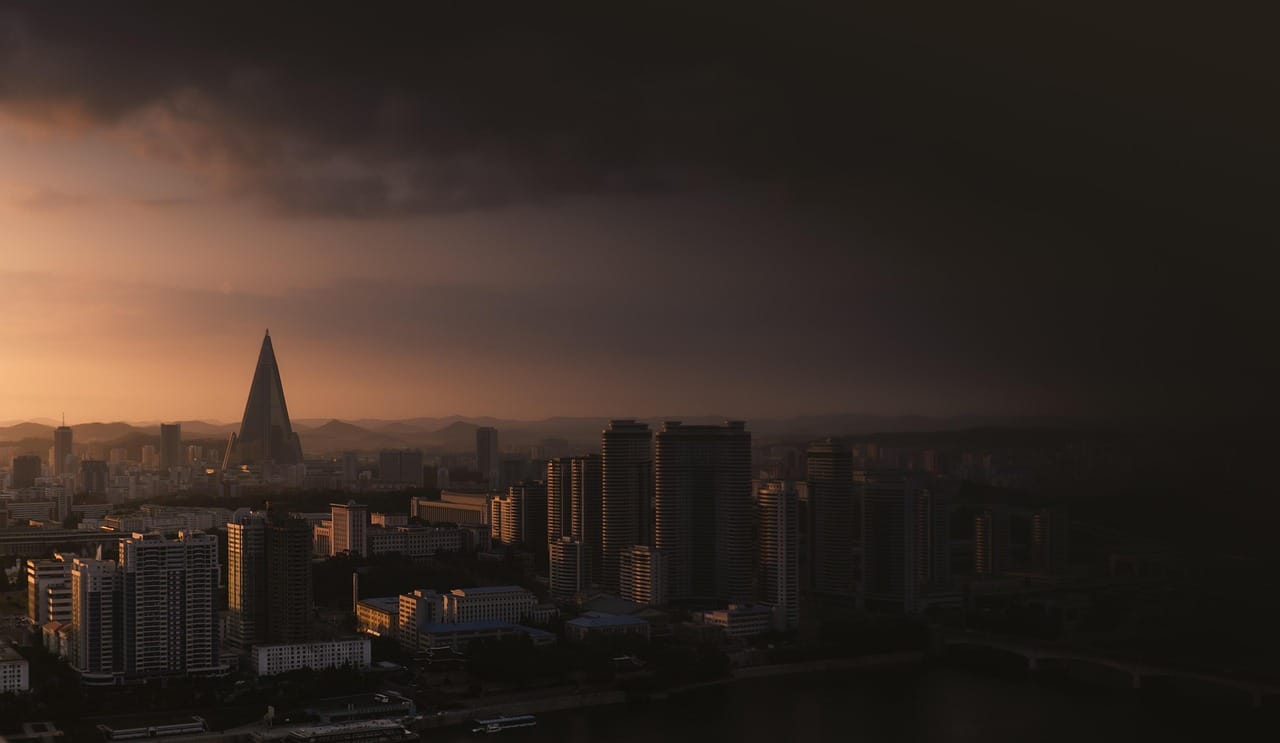
Photo by jeremy888 on Pixabay.