The Great 24-Hour Retail Lockdown: Costco Throws Down the Gauntlet
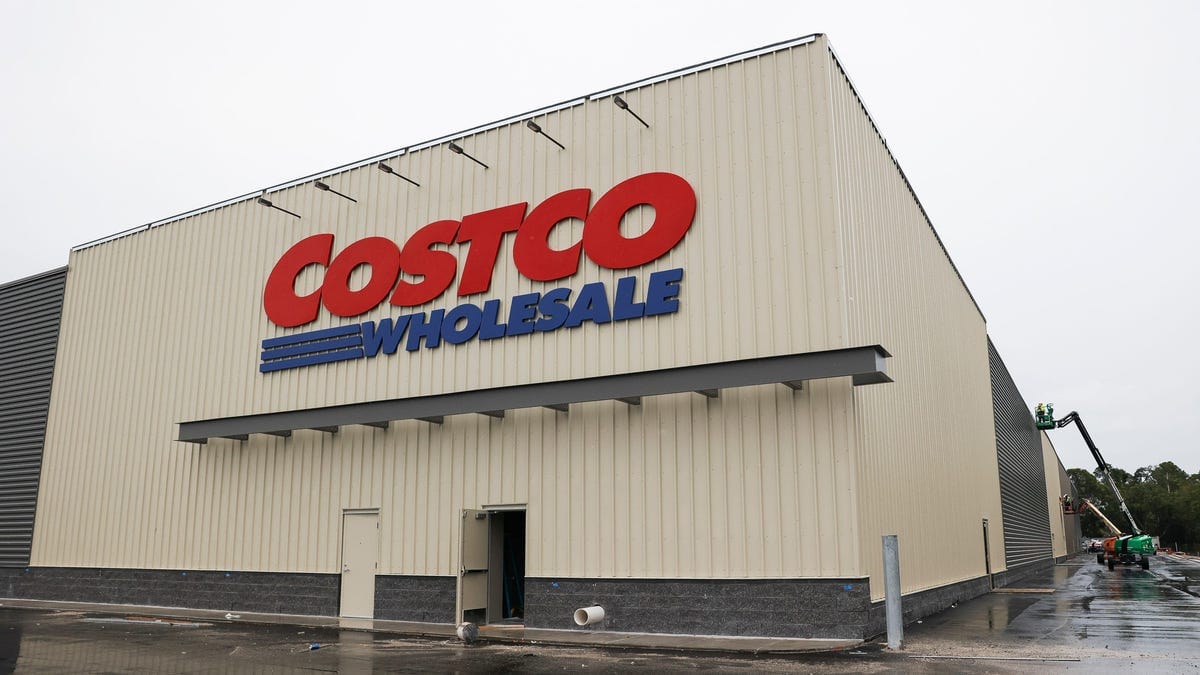
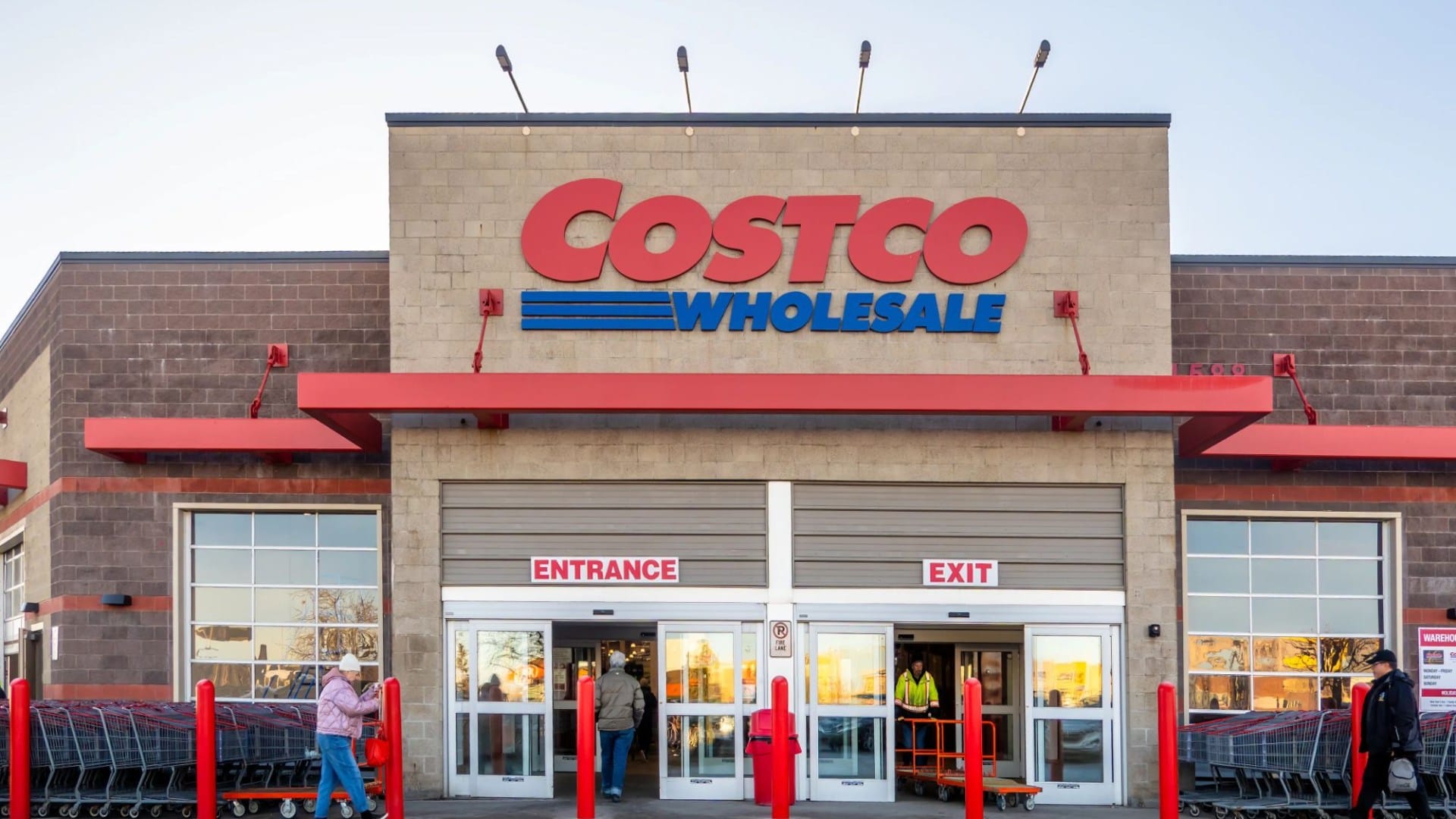
So, Costco, bless their industrial-sized hearts, decided that a nice, quiet New Year’s Eve closure wasn’t enough drama for the masses. They’re going nuclear, shutting down every single one of their 623 temples of bulk buying for a full 24 hours. Can you smell the panic setting in? (It smells like discounted shrimp cocktail that nobody can buy now.) This isn’t just a scheduling change; this is corporate theater, darling, and we are all front row center, desperately clutching our membership cards like they’re winning lottery tickets.
The Illusion of Consumer Choice Shattered
We live in a society where the expectation is 24/7 access to discount gasoline and industrial-sized jars of mayonnaise. Anything less feels like a personal insult from Jeff Bezos’s distant, less-successful cousin. When Costco decrees silence, the silence is deafening. Millions of Americans had their entire post-holiday/pre-New Year restocking strategy built around that sweet, sweet Saturday morning Costco run. Now? Poof. Gone. (It’s like when your favorite streaming service deletes that one obscure documentary you loved.)
The sheer audacity! They’re practically saying, ‘Go ahead, try surviving on those measly two-ply napkins from your local grocery store. See how that works out for your digestive system come January 1st.’
Think about the planning this foils. Little old ladies who needed their annual 40-pound bag of dog food. Entrepreneurs banking on cheap pallet buys for their side hustle. Teenagers trying to snag discounted energy drinks for their all-night gaming marathon. All thwarted by the tyranny of the locked door. It’s rough stuff.
And let’s not pretend this is about employee well-being, not entirely anyway. Sure, maybe Brenda from frozen foods gets a nice break, but mostly this is a statement: We can close, and the world will *still* keep turning, albeit slightly less efficiently lubricated by cheap hot dogs. It’s a flex, pure and simple. (A very well-planned, labor-intensive flex, I’ll grant them that.)
The Enemy of My Enemy Is My Temporary Best Friend
When the gates of Kirkland Kingdom slam shut, where do the desperate masses migrate? To the rivals, of course! Walmart suddenly looks like a beacon of hope. Target transforms from a slightly upscale boutique into a necessary evil. People who swore allegiance to the membership card will be seen grudgingly navigating aisles filled with overpriced, single-serving yogurt cups. It’s a cultural migration that lasts exactly 24 hours, but oh, the drama in those hours!
We’re talking about a tactical shift in supply chain behavior that retailers haven’t seen since, well, probably the last time Costco tried something this disruptive, which, frankly, hasn’t happened on this scale often enough. Walmart’s stock analysts must be practically weeping tears of pure, unadulterated profit right now. They didn’t have to *do* anything strategic; they just had to be open while the giant slept.
Imagine the scene: The Walmart parking lot, usually a mellow landscape of everyday commerce, suddenly becomes the Thunderdome. People who never step foot near the Great Value brand are suddenly examining unit pricing with the intensity of a diamond cutter. They are there for survival rations, not browsing. This forced patronage might actually convert a few fence-sitters. Maybe they realize that $5 off on paper towels isn’t worth the membership fee, or maybe they realize that the *real* deals are actually at the place that’s currently boarded up.
This entire saga reeks of strategic positioning. Are they testing the limits of consumer dependency? Are they gently nudging us towards online ordering, whispering sweet nothings about 2-day shipping while the physical store sleeps? Or is this just a grand, misguided PR stunt to make everyone forget that one time they sold expired sushi?
Historical Context: The Slow Creep of Convenience
We’ve forgotten what true inconvenience feels like. Remember the days before Amazon Prime? Remember when stores actually took Sundays off? (Shudder.) Costco, despite being the poster child for modern hyper-consumerism, is trying to pull a fast one, wrapping mandatory downtime in the festive wrapping paper of ‘Employee Appreciation Day.’ Don’t fall for it. It’s a power move designed to maximize FOMO.
The history of retail closures is fascinating, mostly because we hate them so much. Think about the Black Friday stampedes—those were *voluntary* chaos. This closure is *mandatory* inconvenience. It forces introspection. What do you do with 24 hours when you cannot acquire bulk goods? Do you read a book? Do you talk to your family? Horrifying concepts, I know.
The implication for the future is what gets my goat. If they can close 623 locations without bankrupting the company or causing a shareholder revolt (which they won’t, because their investors are just as hooked as the shoppers), what stops them from extending that closure? What stops them from making this a semi-regular, semi-unannounced thing just to keep us on our toes? It’s the retail equivalent of a surprise pop quiz, and nobody studied.
We need to talk about New Year’s Eve specifically. This isn’t some random Tuesday. This is the pivot point of the year. People are throwing parties, they need mixers, they need snacks that look impressive but cost approximately four cents each. Closing shop right before the big bash is akin to canceling the Olympics the day before the opening ceremony. It shows a fundamental misunderstanding of the *vibe* we are trying to achieve when ringing in the new year—which is usually ‘over-supplied’ and ‘slightly hungover.’
The Long Tail of the Missing Bulk Buy
The ripple effect goes beyond Tuesday night’s cheese platter. Think about the logistics partners. The truckers who rely on precise delivery windows. The local corner stores that *don’t* sell 40-pound bags of rice suddenly getting swamped by desperate refugees from the retail wasteland. They are unprepared for this sudden influx of bulk-minded shoppers used to warehouse efficiency.
This temporary desertion of Costco means two things: First, the immediate post-closure rush on January 1st (or whenever they reopen) will be biblical. Second, those rivals who benefited might gain a temporary market share bump that their bean counters won’t soon forget. If Walmart manages to successfully process the influx of panicked Costco defectors without crashing their system, they might actually learn something about volume that they didn’t know before. It’s forced cross-training for the entire consumer sector.
Frankly, Costco should have seen this coming. They built an empire on convenience and perceived value. When you mess with the perceived convenience, even for a short period, you risk shaking the foundation of the entire relationship. It’s like dating someone brilliant and supportive, but they suddenly decide they need two weeks alone in a silent monastery without telling you until the night before you were supposed to go to that big concert. You’d be annoyed, wouldn’t you?
The entire situation forces us to confront our own dependencies. We rely so heavily on these monolithic structures to supply our basic needs, amplified to a ridiculous degree, that a temporary pause feels like an existential threat to our domestic tranquility. It’s sad, really. We are domesticated beasts trained by fluorescent lighting and shrink-wrapped prosperity. (And I, for one, am already mapping out my route to the nearest alternative grocer, just in case.)
This closure will be talked about for weeks. It will be the great defining moment of the 2025 holiday shopping season. Not the sales, not the selection, but the day the warehouse doors remained defiantly shut. It’s an unforgettable piece of retail performance art. I bet the marketing team is already working overtime on the ‘We Missed You!’ campaign for January 2nd.