The Great December Draining: Why We Keep Watching Mediocre Matchups
It’s the last day of 2025, and the college football landscape is littered with glorified exhibition matches masquerading as high-stakes competition. We are bombarded with five different bowl games, each one supposedly vital, yet deep down, we all know the truth: this is schedule filler designed to keep the eyeballs glued to the screen while the networks count their nickels from DraftKings and whatever regional car dealership sponsored the ‘Tropicana Orange Juice Bowl.’ This whole spectacle stinks of desperation.
The Illusion of Significance
Think about the slate: Iowa-Vanderbilt. Arizona St-Duke. These aren’t matchups that define eras; these are glorified scrimmages for teams that barely scraped eligibility, teams whose stars—the actual, legitimate NFL prospects—are already polishing their resumes for the draft, probably opting out altogether, leaving us with the backups playing for pride that nobody outside of a 50-mile radius actually cares about. It’s a shell game.
These games feel like the obligatory holiday gathering where everyone shows up, smiles stiffly, and waits for the clock to strike midnight so they can escape back to their real lives. We, the viewers, are the suckers sticking around for the stale fruitcake.
DFS and the Degeneration of Fandom
And don’t even get me started on the DFS integration. DraftKings is practically underwriting these pathetic minor bowls just so they can offer fantasy points on some third-string quarterback who wouldn’t sniff the field in a real playoff game. It turns genuine fandom, however tenuous, into a spreadsheet exercise. You’re not rooting for the school anymore; you’re rooting for your $50 longshot tight end from the Sun Belt conference to catch three meaningless passes against a Pac-12 reject.
This monetization of the meaningless is what truly poisons the well. It cheapens everything.
The Real Games That Mattered (Or Didn’t)
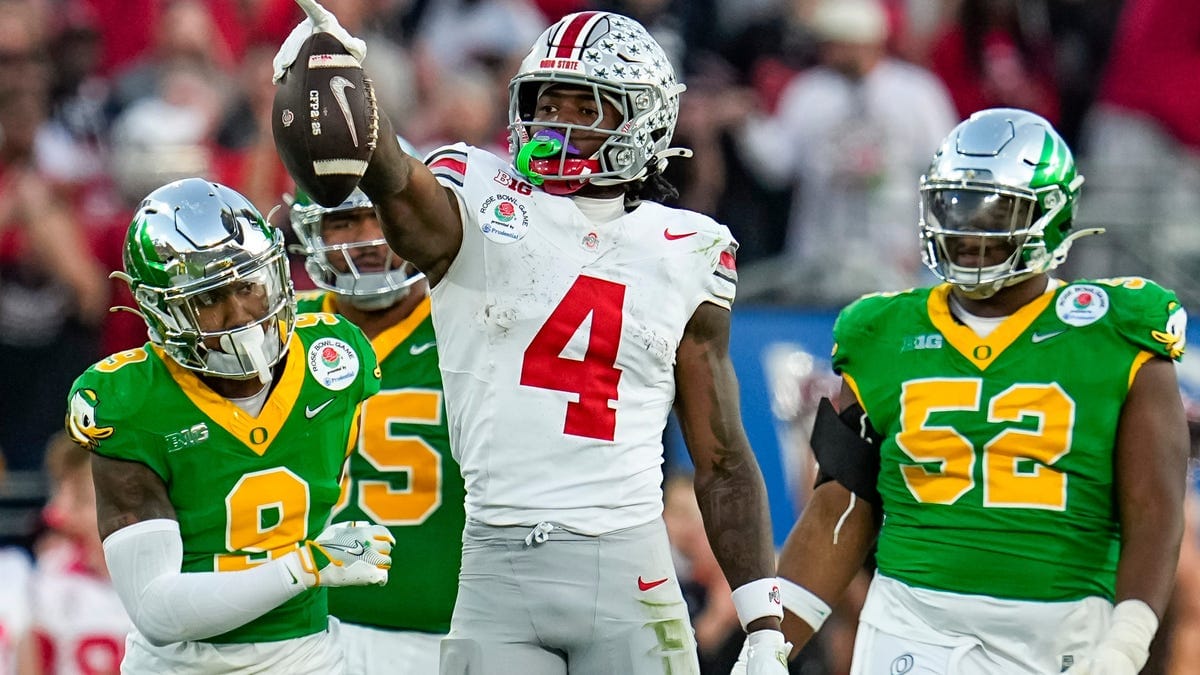
We see updates flashing across the screen: Michigan-Texas, a genuinely interesting contest, sure, but even that feels slightly diluted by the endless parade of pre-game fluff leading up to the actual New Year’s Six matchups. The Cotton Bowl, featuring Ohio State versus Miami, is supposedly the capstone, the grand finale to this two-week marathon of mediocrity. But is it? Or is it just another contractual obligation that allows the broadcasting entity to rake in massive ad revenue before the ball drops in Times Square?
I remember when bowl season meant something concrete, something that genuinely impacted national perception. Now? Now it’s just the commercial break before the real season—the NFL playoffs—kicks off next week. Everything leading up to it is filler. Pure, unadulterated filler.
History Whispers of Better Days
The narrative pushed by the broadcasters is always about tradition, about the hallowed grounds of these bowl games. Tradition is just yesterday’s marketing slogan, my friends. The Orange Bowl used to mean something profound; now it means whatever sponsor paid the most for the naming rights this fiscal quarter. These institutions are selling their souls, one thirty-second spot at a time, and we keep buying the tickets.
Iowa beating Vanderbilt. Big whoop. Did that victory propel either program into any meaningful future discussion? No. It merely ensures that the Athletics Director gets a slightly bigger bonus and that the local alumni chapter can brag at the Rotary Club luncheon next Tuesday. That’s the whole scale of impact we are talking about here.
The Inevitable Expansion Trap
This bloated schedule—five bowls on one day!—is just the dress rehearsal for the coming 12-team playoff apocalypse. They are conditioning us to accept an endless stream of football until the very concept of ‘off-season’ becomes a historical footnote. This isn’t about maximizing athletic achievement; it’s about maximizing shareholder value. If they could broadcast football 365 days a year, they would, and they’d probably find a way to charge us premium cable packages for the privilege.
When you have this many games crammed onto one day, the very concept of ‘must-see TV’ evaporates into a haze of background noise. It’s the equivalent of having ten different pizza places all delivering lukewarm pies simultaneously. Which one do you focus on? None of them, really.
The Player Exodus Accelerates the Problem
The cynicism is warranted because the players themselves signal how little this means. The star quarterback, nursing a minor strain or perhaps just feeling the existential dread of another mid-tier bowl appearance, sits on the sideline in a tracksuit, counting down the minutes until his guaranteed money arrives. This tradition is being hollowed out from the inside by the very people who are supposed to embody it. That’s the sharpest irony of all.
We are celebrating participation trophies played by the benchwarmers.
It’s disheartening.
We’ve reached a saturation point where quantity utterly obliterates quality, and we, the consumers, are too conditioned by habit and commercial pressure to say, ‘Enough is enough.’ We tune in because it’s December 31st, not because any of these specific five games genuinely excite the competitive bone in our collective football spine. They are placeholders, digital clutter in the otherwise exciting landscape of late-year sports viewing. Imagine if every holiday had ten separate, mediocre dinners scheduled on the same afternoon. Chaos. Digestive distress. That’s what this schedule is.
This relentless scheduling breeds apathy. People will glance at the score, tweet something sarcastic, and then immediately switch back to rewatching the classic Rose Bowls of yore, the ones where stakes actually felt carved in stone, not printed on glossy sponsor banners that will be torn down by January 2nd.
The Media Hype Machine Grinds On
The talking heads have to fill airtime. They analyze the three-yard runs from the third quarter of the Vandy game with the same gravitas usually reserved for Super Bowl analysis. This manufactured excitement is grating. It’s a performance art where the performers are reading lines from a teleprompter written by a marketing executive living in Connecticut who has never actually set foot in Ames, Iowa, or Durham, North Carolina. They discuss ‘momentum shifts’ in games decided by two scores, projecting narratives onto randomness just to fill the allotted time slot. Pathetic.
It’s an endless feedback loop: media hypes the games to sell ads; advertisers demand more games to justify their spend; the NCAA happily obliges because television contracts equate to massive administrative slush funds. Where is the sport in that cycle? Nowhere. It’s pure commerce dressed up in pigskin.
We need a hard reset. We need fewer bowls, far fewer, or perhaps just stick to the games that feature teams ranked in the top 25 who actually have something tangible to gain beyond a small crystal trophy shaped like a poorly rendered palm tree. Until then, I’ll be over here, nursing my cynicism, waiting for the inevitable 10 a.m. kickoff that somehow manages to feature two teams whose combined win total barely scrapes past seven. Sad.
So grab your lukewarm beverage, settle in, and enjoy the final hours of 2025 football where the only real winner is the television network executive counting his year-end bonus, funded directly by our collective, masochistic desire to see a football game, any football game, before the calendar flips. Just turn the volume down when they start talking about the ‘intense divisional implications’ of the Duke-Arizona St outcome. Seriously, the audacity is astounding.
The whole thing is a sham. A profitable sham, mind you, but a sham nonetheless. And we keep paying the cover charge. Why? Because we are creatures of habit, I suppose. Or maybe, just maybe, we’re hoping that one random, meaningless game turns out to be unexpectedly interesting, a tiny diamond found in a mountain of coal dust. A pipe dream, most likely. Sleep well, America. The corporate college football machine rolls on, unstoppable and frankly, exhausting.