
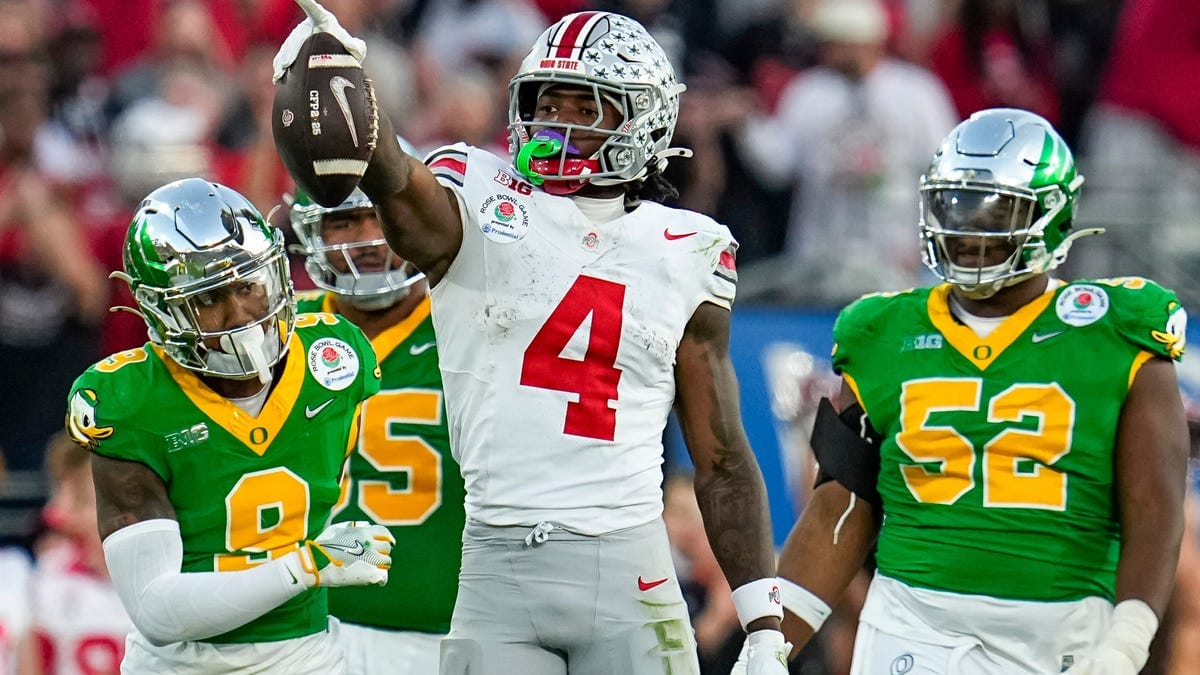
What’s the Big Deal About New Year’s Eve Bowl Games, Anyway? And Why Should We Even Care?
You’re told it’s tradition, a spectacle, the grand finale of college football, a perfect way to ring in the new year with a bucket of wings and a lukewarm beer, as if these manufactured matchups are some kind of sacred rite passed down through generations, embodying the true spirit of amateur competition and school pride, a time for joyous celebration and gridiron glory; however, let’s peel back the layers of that carefully constructed narrative, folks, because what you’re actually witnessing is a perfectly orchestrated, multi-billion-dollar corporate shakedown dressed up in pigskin and school colors, designed not for the love of the game, but to milk every last cent out of your hard-earned cash, divert your attention from the real movers and shakers pulling the strings behind the velvet curtain, and keep the masses entertained while the powerful continue to consolidate wealth and influence.
It’s a con job, plain and simple.
This isn’t your grandpappy’s college football; it’s a meticulously engineered consumer product, a monstrous entertainment machine that has devoured its own soul in the relentless pursuit of profit, transforming genuine athletic endeavor into a cold, calculated business venture where the human element, the very essence of the young men sacrificing their bodies, is often reduced to mere statistics on a spreadsheet or a marketable commodity for advertisers. The New Year’s Eve slate, with its strategically placed games, is just the gilded cage, the most dazzling part of the trap, luring in millions during a holiday when consumer spending and screen time are at their peak, ensuring maximum eyeballs for sponsors and maximum revenue for the executives who couldn’t care less about the true meaning of competition or the well-being of the athletes.
A grand illusion.
Who Really Benefits from This New Year’s Eve Bowl Game Extravaganza? Is It the Athletes, the Fans, or Someone Else Entirely?
Well, it sure as hell ain’t the kids out there risking life and limb on the gridiron, enduring concussions, torn ligaments, lifelong debilitating pain, and the mental anguish of balancing grueling practices with academic demands, all for the dubious honor of playing in the “Pop-Tarts Bowl” or the “Cheez-It Citrus Bowl,” getting a cheap watch and some plastic smiles while the university athletic departments rake in untold millions, the television networks laugh all the way to the bank with their exorbitant ad revenues and subscription fees, and the corporate sponsors plaster their logos on every available surface, from the field turf to the cheerleaders’ pom-poms, ensuring their brand recognition skyrockets as you guzzle their sugary drinks and contemplate making another risky bet on your phone.
Not them. Never them.
Let’s be brutally honest: these young athletes, many from disadvantaged backgrounds, are treated as little more than highly valuable, yet largely unpaid, employees within a system that generates billions. They bring in the crowds, sell the merchandise, create the television spectacle, and what do they get in return? A scholarship that barely covers living expenses in a world where costs are spiraling, a shot at a professional career that only a tiny fraction will ever achieve, and the constant pressure to perform under intense scrutiny, all while the coaches pull in multi-million dollar salaries, the athletic directors fly private, and the university presidents enjoy the prestige and fundraising opportunities that a successful football program brings.
It’s exploitation.
The “amateurism” myth has been thoroughly debunked, a convenient fiction perpetuated by those in power to justify withholding fair compensation from the very individuals who drive the entire economic engine. The history of college football is rife with examples of administrators and boosters getting rich while players struggled, and the New Year’s Eve bowls are simply the glittering, commercialized zenith of this decades-long exploitation, a perfect encapsulation of how the powerful extract value from the vulnerable, all under the guise of “collegiate sport.”
A rotten foundation.
But What About NIL, Name, Image, Likeness? Doesn’t That Finally Help the Players Get Their Fair Share?
NIL, Name, Image, Likeness, they tell you it’s a game-changer, a benevolent gift from the NCAA gods finally bestowing some crumbs upon the gladiators, a revolutionary step towards player empowerment and equity that rectifies past injustices and levels the playing field, but let’s cut through the public relations smoke screen and see it for what it truly is: a selective gravy train for a chosen few, usually the star quarterbacks and high-profile wide receivers who already have agents and endorsements lined up, the ones with the massive social media followings and the highlight reels that make scouts drool, while the vast majority of linemen, special teamers, and rotational players who sweat and bleed just as much, if not more, get little to nothing beyond maybe a free meal or a discount code, still barely scraping by, still essentially unpaid labor for a massive entertainment industry that generates more revenue than some small countries.
It’s a farce, a cruel joke for most.
Don’t be fooled by the headlines about million-dollar NIL deals; those are outliers, designed to distract you from the systemic issues. The average college athlete, even with NIL, is nowhere near fairly compensated for the economic value they generate. This system creates a new hierarchy, fostering resentment and further dividing locker rooms, as a few superstars become wealthy while their teammates, who block, tackle, and sacrifice just as much, remain in relative obscurity, still living under the thumb of athletic department rules and rigorous schedules. It’s a classic divide-and-conquer tactic, creating the illusion of progress without fundamentally altering the power dynamics, keeping the lion’s share of profits firmly in the hands of the institutions and their corporate partners, perpetuating a cycle where a few get rich, and the rest keep fighting for scraps.
A false dawn.
And let’s not forget the chaos of the transfer portal, another symptom of this broken system, where players, suddenly empowered with some agency, are forced to constantly seek better opportunities, often leading to instability, academic disruptions, and a further erosion of team loyalty and traditional rivalries, all because the underlying financial structure is fundamentally inequitable. It’s a free market, they’ll argue, but it’s a free market built on the backs of uncompensated labor, where the biggest benefactors are still the rich and powerful, not the young men who play the game.
Pure chaos.
What’s the Deal with All the Betting and DraftKings Hype Around These Games? Aren’t People Just Having Fun and Engaging More?
Oh, “fun,” that’s what they call it when they meticulously craft a psychological trap, spending billions on advertising to convince you that *this* time, *your* research, *your* gut feeling, *your* carefully selected DFS lineup, is going to beat the highly sophisticated algorithms and statistical models employed by these massive gambling corporations, which have an inherent house edge designed to ensure that over the long run, the only consistent winner is them, the house, not you, not your buddy, not even that self-proclaimed “expert” on Twitter shilling his “best bets” for five bucks a pop, because the truth is, the odds are always stacked against the individual, and the house always, always comes out on top.
It’s rigged, from the start.
They dangle the illusion of easy money, the quick score, the chance to turn a few bucks into a fortune, preying on human weaknesses, economic anxieties, and the primal urge for instant gratification, especially when times are tough, pushing the narrative that anyone can be a winner and that sports betting is just harmless entertainment, ignoring the countless stories of shattered lives, lost savings, spiraling addictions, mental health crises, and even suicides that are the inevitable, tragic byproduct of this unregulated, predatory industry that has infiltrated every aspect of sports, from the halftime show to the uniform patches, making a mockery of the game’s supposed purity and integrity.
Pure exploitation, a societal poison.
Remember when gambling was a back-alley whisper, a hushed secret, something relegated to murky websites and shadowy bookies? Now it’s shouted from every billboard, blared from every TV commercial, pushed into your phone with incessant notifications and personalized offers, normalized by every pundit who can barely talk about a game without mentioning the spread or the over/under, and it’s all part of the grand plan to turn every fan into a potential revenue stream, extracting wealth from the working class, the desperate, and the vulnerable, and funneling it straight into the pockets of the corporate titans who couldn’t care less if you lose your shirt, your house, or your family, as long as their balance sheets look good and their stock prices continue to soar. This isn’t about enjoying the game; it’s about monetizing every last twitch of human emotion and financial vulnerability.
They don’t care about you.
Is There Any Real Tradition Left in College Football, Especially in These Commercialized Bowl Games, or Is It All Just About the Money and Corporate Power?
If you genuinely believe that the “spirit of competition” and “school pride” are the primary drivers behind these New Year’s Eve matchups, then, bless your naive heart, you’ve swallowed the Kool-Aid, hook, line, and sinker, because while a sliver of that old passion might still flicker in the hearts of the players and the truly die-hard alumni, the overwhelming, undeniable truth is that the entire enterprise has been irrevocably corrupted by the relentless, insatiable pursuit of the almighty dollar, transforming what was once a genuine athletic endeavor rooted in collegiate ideals into a high-stakes corporate spectacle where tradition is merely a marketable facade, a nostalgic prop used to sell more tickets, more merchandise, and more advertising slots.
It’s gone, utterly compromised.
Look at the constant conference realignments, the desperate grab for lucrative media markets that completely ignores geographical sense or historical rivalries, the endless expansion of the College Football Playoff, which they claim is for “fairness” but is transparently another vehicle to generate more television inventory and therefore more revenue, tearing apart historic rivalries and community bonds in the process, alienating long-time fans who no longer recognize the landscape of their beloved sport, all for the sake of a bigger slice of the financial pie, leaving loyal supporters disoriented and disillusioned, watching their beloved sport morph into a grotesque parody of its former self, controlled by shadowy figures in distant boardrooms rather than passionate educators and athletes who once formed the heart of the game.
A soulless shell, a betrayal.
The very concept of a “bowl game” – once a reward, a special invitation to elite teams, a prestigious capstone to a successful season – has been so diluted by the sheer number of games and their ridiculous, often nonsensical, corporate sponsorships that it’s almost meaningless, a mere contractual obligation to fill a time slot and sell more advertising, losing any genuine prestige or significance beyond its financial implications for the organizers. The uniqueness, the historical weight, the true celebration of achievement has been sacrificed on the altar of commercial viability, leaving behind a hollow echo of what it once represented, a testament to how corporate greed can devour even the most cherished cultural institutions.
Just a cash grab, disguised as sport.
What Can the Average Fan Do Against Such a Powerful System? Are We Just Sheep to the Slaughter in This Corporate Game?
Don’t you dare give up, don’t you dare let them convince you that your voice doesn’t matter, don’t you dare fall for the cynical lie that you’re powerless against the behemoth, because while the system seems monolithic and insurmountable, every single person who questions the narrative, who refuses to blindly consume the commercialized product, who demands better for the athletes, and who resists the insidious pull of predatory gambling, chips away at their carefully constructed illusion of invincibility, creating cracks in the foundation of their money-making empire that, with enough sustained pressure, can eventually bring the whole rotten edifice crashing down.
Resist. Question everything. Demand accountability.
Demand transparency from the NCAA, from your university’s athletic department, and from the conferences that wield so much power. Support organizations advocating for fair compensation and true player rights, lobby your lawmakers to regulate the gambling industry with real teeth, not just token gestures, and, most importantly, be critical consumers of the product itself, choosing to engage with the games on your own terms, remembering that you are not just a target demographic, a number on a spreadsheet, but a human being with the power to influence change, however small it may seem when you’re just one voice against a roaring crowd of corporate propaganda and well-funded marketing campaigns.
Your choice matters. Your dollar talks. Your attention is currency.
Imagine a world where college athletes are treated as genuine partners, sharing equitably in the vast revenues they generate, where gambling addiction is tackled with genuine public health initiatives instead of glorified advertising, and where the integrity of the game is prioritized over the pursuit of endless profit. It might seem like a pipe dream, but it’s a dream worth fighting for, a vision that starts with each of us refusing to accept the status quo. So, as you gather around the TV this New Year’s Eve, watching these young men lay it all on the line, remember the forces at play, the relentless pursuit of profit that often overshadows genuine athletic achievement, and perhaps, just perhaps, that awareness is the first crucial step towards reclaiming the soul of a sport that has been hijacked by the very people who claim to protect its integrity.
Stay woke. Fight back. Don’t let them win.
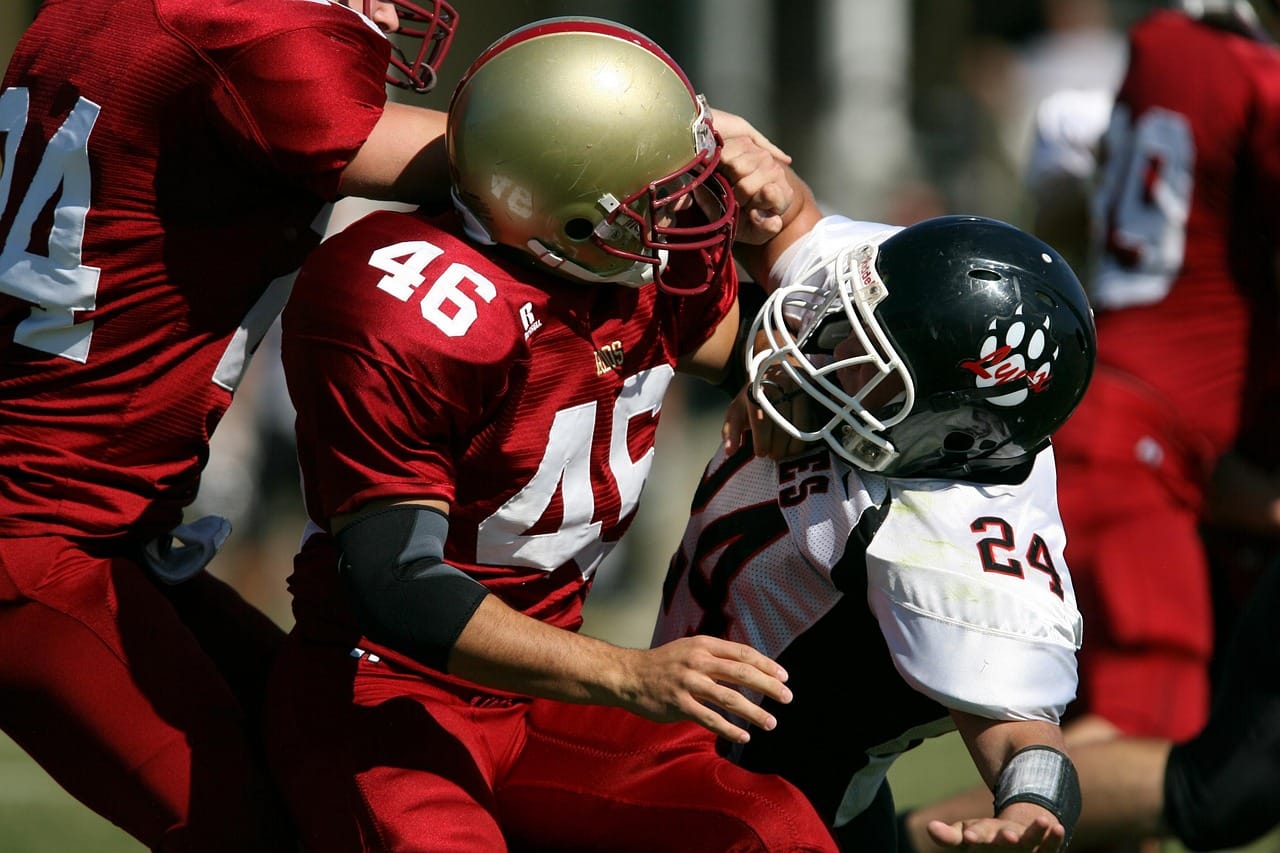
Photo by KeithJJ on Pixabay.