The Sound of Coming Collapse: Germany’s €30 Million Wake-Up Call
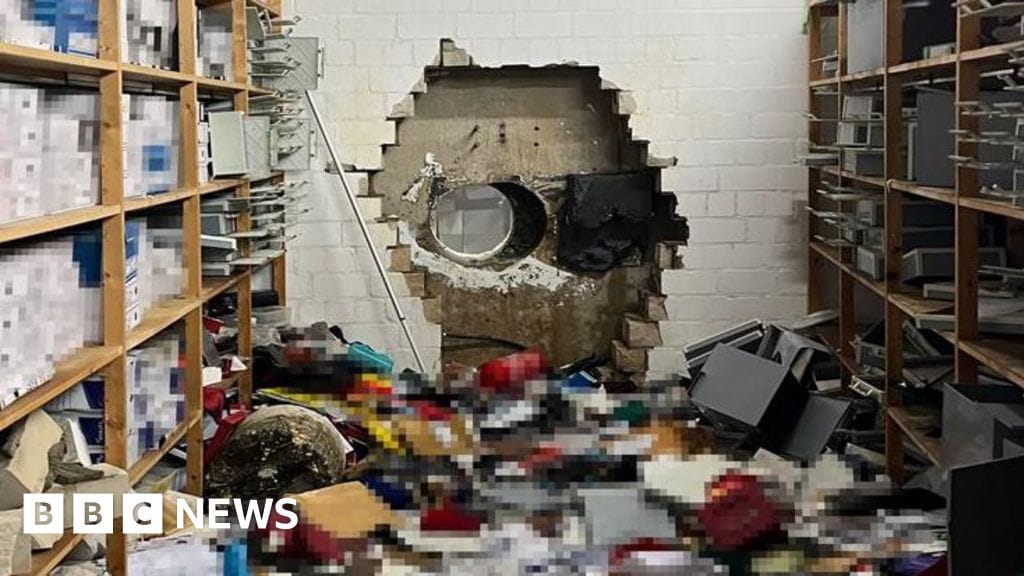
But seriously, did anyone check the locks on the way out? Thieves, using nothing more sophisticated than a heavy-duty drill—a *drill*, people!—managed to extract 30 million Euros from a supposedly secure German retail bank right under the noses of the supposed financial overlords. And the holiday timing? Classic. It’s like robbing Santa’s main depot during the quiet lull when everyone is nursing a post-Christmas hangover and assuming everything is solid gold. It wasn’t solid gold; it was Swiss cheese, apparently.
And that’s the real kicker here, isn’t it? We are constantly barraged with promises of digital security, multi-layered biometric authentication, and vaults stronger than a Cold War bunker, yet some industrious chaps with industrial excavation tools treat the entire concept of commercial banking security like a cheap joke played on an unsuspecting public. They didn’t use quantum hacking or social engineering masterclasses; they used elbow grease and a big, noisy machine that someone, somewhere, must have heard. Or maybe they just drilled when the security guards were busy arguing over who got the last eggnog. Who knows? The fact remains: the physical fortress crumbled, showing us that when the digital shield fails, the physical backup is apparently constructed of drywall and hopeful thinking.
The Illusion of Concrete and Code
Because when you deposit your hard-earned cash, whether it’s in Gelsenkirchen or Glasgow, you are buying a psychological promise, not a physical guarantee. You trust the vault is impenetrable, that the surveillance catches everything, and that the local constabulary is faster than a getaway car loaded with high-denomination bills. This German incident isn’t just a successful robbery; it’s a monumental failure of perception management by the entire banking sector. It rips the veneer right off the shiny marketing brochures promising total safety.
And what about the sheer audacity? Thirty million Euros! That’s not petty cash pilfered from an unattended wallet; that’s a planned, sustained operation requiring serious logistics, inside knowledge, or just plain insane nerve. Imagine the planning meeting: “Okay boys, Christmas is over, everyone’s bloated, let’s bring the heavy machinery.” It’s almost admirable, in a deeply cynical way, because it highlights the gaps in our infrastructure that we pay exorbitant fees to *not* have exposed.
And let’s talk about the victims here. It isn’t just the bank losing money, though they’ll insure that away easily enough. It’s the customers whose deposit boxes were reportedly hit, too. Those boxes contain the sentimental stuff, the heirlooms, the emergency cash reserves that people deliberately keep out of the volatile digital markets because they fear exactly this kind of systemic break. They trusted the brick and mortar. They trusted the German engineering reputation. And boom, gone, drilled into dust.
The Echo of Historical Heists
But this isn’t new territory, is it? History is littered with spectacular bank jobs where the tools were shockingly analog. Think about the Baker Street robbery in the sixties, or any number of vault penetrations throughout the last century. What makes this German episode particularly terrifying is the *modern* context. We live in an age where every transaction is tracked, metadata flies around the globe instantly, and yet, the most effective way to steal millions was apparently to make a lot of noise with a drill while everyone was distracted by New Year’s resolutions they wouldn’t keep anyway.
And this sends a shiver down the spine of anyone who believes in the stability of fiat currency. If professional criminals can bypass security using brute force and basic physics, what does that say about the security of the *digital* side, which is orders of magnitude more complex and opaque to the average citizen? We are told that digital systems are the future, impenetrable fortresses of cryptography. But when the physical shell proves leaky, it makes you wonder if the programmers are just as sloppy as the vault builders.
We need a total system audit. Not just of the alarm sensors, but of the planning committees who decided that a reinforced steel door was sufficient protection against a determined team with a diamond-tipped coring drill and a few days’ worth of uninterrupted darkness over a holiday weekend. This isn’t just about the €30 million; it’s about the fact that the fundamental trust architecture supporting our entire consumer economy just got a massive, drilling-related hole punched in it.
And what happens next? The bank promises tighter security, hires more consultants, buys shinier cameras that won’t catch anyone until after the fact, and maybe increases service fees next quarter to cover the ‘unforeseen overhead.’ That’s the cycle. The criminals win the round, the public gets nervous, and the banks raise the toll for using their services. Brilliant business model, really.
Panic Spreads Faster Than Drill Dust
Because this wasn’t a sophisticated cyberattack that required a genius in a basement apartment across the world. This was physical, tangible theft, close to home, in a country lauded globally for its efficiency and meticulous planning. It suggests that the vulnerability wasn’t technological; it was human negligence mixed with sheer, brute-force opportunity. Someone knew the rotation, knew the weak point, and had the stones to bring the power tools.
And for the regulators, this should be a flashing red siren. If one bank vault, presumably built to stringent European standards, can be breached this way, how many other regional or local banks across the continent are operating with similar, outdated, or simply inadequate physical defenses? Are they all waiting for their own holiday drilling session? It implies a systemic complacency where risk assessment stops at the digital perimeter and ignores the possibility of old-fashioned smash-and-grab tactics scaled up to industrial levels.
And where is the money now? Thirty million Euros in physical cash—that’s heavy. That’s a logistical nightmare to move, store, and launder. This isn’t crypto; this is crisp paper that needs to be smuggled, laundered through complex physical transactions, or funneled into large, untraceable asset purchases. This suggests the thieves aren’t just skilled burglars; they are part of a highly organized criminal network capable of absorbing that much physical liquidity without immediately triggering alarms in the real-world economy. Think about the sheer volume of physical money required to absorb €30 million discreetly. It beggars belief that such a large amount can vanish without leaving smoke trails in the real estate or high-end commodity markets very soon.
Because every single person reading this needs to understand that confidence is the only thing supporting the price of that paper in your wallet or in that bank account. When visible, physical theft of this magnitude succeeds, it erodes that confidence. It whispers to people: maybe you shouldn’t trust the machine at all. Maybe physical assets, hidden safely, are better than insured deposits managed by people who can’t even keep thieves out with a sledgehammer, let alone a precision drill.
And trust me, this story isn’t just about Germany. This is a template. Criminals watch this, they analyze the response time, they study the vulnerabilities exposed, and they start drawing up plans for the next target. They saw the quiet Christmas period used effectively. They saw the vulnerability in the vault structure. They noted the estimated value. This is operational intelligence for the next major score, and the financial world better pay attention before the next drill starts squealing somewhere closer to home. This is the sound of the bubble popping, not with a digital bang, but with the screech of a drill bit hitting steel.
The Future Is Loud and Unsecured
And the predictions? Expect immediate, panicked overhauls in physical security standards across Europe, followed by massive insurance premium hikes that ultimately get passed onto us, the poor saps who just want a safe place to keep our pensions. But the damage is done. The narrative has shifted from ‘unbreakable digital security’ to ‘watch out for the construction crew operating illegally at 3 AM.’ It’s cheap theater, but the stakes are billions. We are living in an era where the most advanced crime sometimes relies on the most basic tools, applied with modern levels of planning and sheer, unbelievable gall. Because they did it, they actually did it, and right now, that fact alone is rattling every loose floorboard in the global financial structure.