The Anatomy of a Snow Scare: Upstate NY’s Perpetual Crisis Cycle
And so, it begins again. The headlines scream, the warnings flash in red across cable news tickers, and the politicians scramble to get in front of a camera. A new lake-effect snowstorm is bearing down on Central New York, promising a good old-fashioned paralysis of travel. It’s supposed to dump anywhere from eight to fourteen inches of the white stuff, according to the official notices. But let’s cut through the noise, shall we? Because what looks like a natural event on the surface is almost always, in reality, a carefully choreographed performance for public consumption and a convenient cover for deeper systemic failures.
Because when you live in a place like Upstate New York, you quickly learn to recognize the pattern. The hyperbole in the media, the exaggerated warnings from local authorities, the inevitable school closings that always seem to start before the first snowflake hits the ground. It’s not just reporting; it’s a production. And every year, the production value goes up. This storm isn’t just ‘dangerous’; it’s ‘paralyzing’ travel. It’s ‘prolonged’ and ‘dangerous.’ The language used is specifically designed to maximize anxiety and ensure maximum eyeballs on screens, because fear sells better than a calm, measured assessment of the weather. And let’s be honest, for the news cycle, a paralyzing snowstorm in Upstate NY is far more compelling than, say, a detailed analysis of the region’s decaying infrastructure or the decades-long economic decline that has made these areas so vulnerable in the first place.
The Political Economy of Ice and Snow
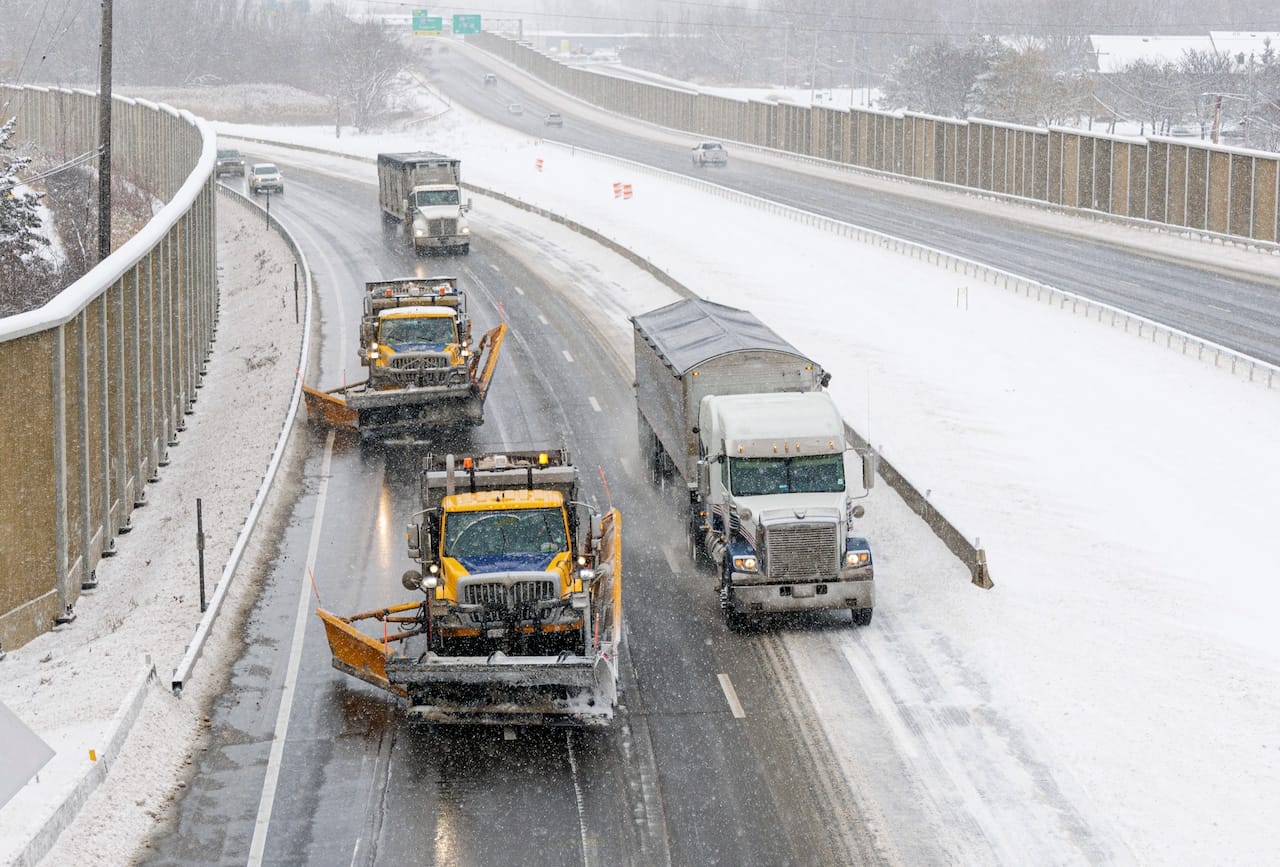
But let’s think about who truly benefits from this kind of large-scale weather event. Because every crisis has a price tag, and every crisis creates winners and losers. The media, of course, wins with clicks and ratings. But follow the money, and you’ll find a deeper, more cynical truth at the heart of winter preparedness. The infrastructure game in Upstate New York is a high-stakes poker match. When a major storm hits, it triggers emergency declarations, which in turn unlock federal and state funds. And those funds, ostensibly for clearing roads and ensuring public safety, are often funneled into a system riddled with inefficiencies and political favors. The contracts for salt procurement, for plowing services, for infrastructure upgrades—they don’t go to just anyone. They go to those with the right connections. It’s not just about keeping the roads clear; it’s about ensuring the right people get paid.
And this storm, specifically hitting near New Year’s Eve, complicates everything for the average person, while simultaneously making things easier for the political class. It’s a convenient distraction. The local politicians get to look heroic as they issue warnings and appear in front of snow-covered scenes, assuring residents that everything is under control. But what about the underlying issues? The reality is that Upstate New York has been struggling with its infrastructure for decades. The roads are often in poor repair even before the first snow falls, the power grid is fragile, and the resources available to small towns are stretched thin. This specific storm, a lake-effect phenomenon, highlights the vulnerability of the region, but instead of focusing on long-term solutions, we focus on short-term fixes and media theatrics.
Upstate vs. Downstate: The Eternal Divide
Because let’s not pretend this is just about weather in a vacuum. It’s about Upstate New York, a region that often feels like an afterthought to the power brokers in New York City. The political capital of New York State is Albany, but the financial and media capital is Manhattan. When a snowstorm hits NYC, the entire nation stops and pays attention. But when it hits Syracuse or Buffalo, it’s often framed as just another routine winter day in a place that’s supposed to handle it. The contrast is jarring, because the resources allocated to different regions reflect this power imbalance. This storm, therefore, isn’t just a weather event; it’s a stark reminder of the neglect and indifference that Upstate New York faces year after year. The state government talks about supporting Upstate, but when a crisis like this hits, it’s often left to local municipalities, already struggling financially, to fend for themselves.
And this specific storm, forecast for Central NY, brings a certain level of dread for those who understand the history. Central New York, especially Syracuse, has a reputation for being one of the snowiest cities in America. This isn’t a new phenomenon. It’s a recurring, predictable event. But why, then, does every storm feel like a sudden, unexpected crisis? Because the system isn’t designed for long-term resilience; it’s designed for short-term reaction. We react to the storm, clear the roads, and then forget about the underlying problems until the next one hits. The cycle repeats itself, allowing a small, select group of people to benefit from the constant state of managed crisis.
The Climate Change Conundrum and Cynicism
But there’s another layer to this, one that is often ignored or distorted in the political theater surrounding these storms. And that’s climate change. While many people see these intense storms as evidence against global warming (because, obviously, it’s cold), climate scientists will tell you a different story. The warmer temperatures lead to more moisture being held in the atmosphere, and when that moisture hits the cold air masses over the Great Lakes, it creates exactly this kind of intense, localized lake-effect snowfall. So, the storms are getting more intense, more localized, and more unpredictable. The old patterns are breaking down. The cynicism here isn’t about whether climate change exists; it’s about the fact that authorities know this is happening, yet continue to fail to adapt their infrastructure accordingly. We are in a state of perpetual unpreparedness for a new kind of winter, and everyone involved—from the politicians who deny it to the corporations who profit from it—is complicit in perpetuating this cycle.
Because the cost of ignoring climate change isn’t just about melting glaciers; it’s about the increased strain on local budgets every time a ‘dangerous’ storm hits. It’s about the economic cost to businesses that are paralyzed and the human cost to those who lose power. And yet, instead of having a serious discussion about long-term adaptation, we focus on the immediate sensation of the storm itself. The media loves to show dramatic footage of cars sliding off the road. The politicians love to show themselves helping to dig out. But nobody wants to talk about the deeper, more complex issues that are causing these events to become so much worse. We are addicted to crisis, and this storm is just another hit.
Conclusion: The Resignation of Upstate
And so, we return to the starting point. The winter storm warning is issued. Eight to fourteen inches of snow are coming. Travel will be paralyzed. But for the cynical investigator, this is just another episode in a long-running, poorly scripted drama. The people of Upstate New York will trudge through it, as they always do. They will resent the media hype, they will endure the inconvenience, and they will silently judge the politicians who use the storm as a platform for self-promotion. The roads will be cleared eventually, the sun will come out, and everyone will forget about it until the next storm hits. The cycle of crisis and calculated response continues. It’s a sad state of affairs when a simple weather phenomenon becomes a tool for political gain, but in this cynical world, that’s exactly what it is. The real storm isn’t the snow; it’s the lack of accountability and the perpetual cycle of unpreparedness that defines our society has come to accept as normal. It’s always something.