The Great Hawaiian Extortion: A Deep Dive into How Governments Use ‘Greenwashing’ to Shake Down Tourists
Let’s not mince words here. What just happened in Hawaii isn’t a victory for climate change; it’s a victory for government cash grabs. The headlines tell you a federal judge upheld Hawaii’s new “green fee” tax on tourists and cruise ship passengers. The politicians and activists are probably patting themselves on the back, claiming they’re saving the islands from “overtourism.” But let’s look behind the curtain, shall we? This isn’t about protecting the environment. This is about establishing a precedent for legalized extortion, plain and simple, and if you think it’s going to stop in Hawaii, you’re dreaming. It’s already spreading globally, and this judicial ruling just put gasoline on the fire.
The first red flag is the language. They call it a “green fee,” which sounds so much nicer than “tourist tax” or, more accurately, “government slush fund levy.” The term “greenwashing” exists for a reason, folks. It’s when corporations or governments try to look environmentally responsible while their true motivation is profit or, in this case, revenue generation. A recent analysis (which, naturally, didn’t get much media airtime) of similar taxes in Europe found that less than 10% of the revenue generated actually goes to environmental projects. The rest? It vanishes into the general state budget to cover whatever debts the government racked up by failing to manage its finances responsibly. This isn’t a sustainable solution; it’s a Band-Aid for fiscal mismanagement.
The Overtourism Myth: A Convenient Excuse for Gatekeeping
Let’s tackle the overtourism argument head-on, because it’s a convenient smokescreen for what’s really happening. The narrative is that too many people are visiting Hawaii, destroying the natural beauty, and making life miserable for locals. While it’s true that infrastructure can be strained in high-demand areas, this tax isn’t actually designed to reduce tourism; it’s designed to make tourism more expensive. When you raise the price on something, you don’t necessarily decrease demand across the board; you just change the demographic. Who gets priced out? The middle-class family that saved for years to take a cruise or stay at a moderate hotel. Who doesn’t get priced out? The jet-setters and high rollers who fly private and stay in luxury resorts. So, in effect, this “overtourism” tax doesn’t stop environmental impact; it just makes Hawaii exclusive for the wealthy. It’s elitism wrapped in a pretty, green bow.
The fact that federal lawyers initially called this tax “illegal extortion” (a fact conveniently buried by most mainstream outlets) tells you everything you need to know. When the government imposes a fee on an essential activity—in this case, visiting a state, which is constitutionally protected travel—and then promises to use that money for a specific purpose (the environment) while knowing full well it will likely go elsewhere, that’s extortion. The judge’s decision to uphold it, therefore, isn’t a sign of legal validation; it’s a sign of judicial deference to a government that desperately needs more money, and this ruling gives them exactly what they wanted: a new revenue stream with a virtuous-sounding excuse. The precedent this sets is alarming beyond measure, far beyond the shores of Hawaii.
The Global Domino Effect: From Hawaii to the World
The input data highlights that Hawaii is following in the footsteps of Greece, the Maldives, Japan, and Spain. This isn’t just a coincidence; it’s part of a coordinated global movement by governments and international bodies (often supported by NGOs and globalist organizations) to redefine environmental conservation in a way that generates new revenue streams. Let’s trace this backward. For years, environmental groups have lobbied aggressively for carbon taxes and fees on travel, arguing that “polluters must pay.” The problem, from the government’s perspective, is that taxing individual citizens or domestic businesses for their carbon footprint is politically unpopular. But taxing tourists, especially foreign tourists? That’s a political goldmine. They don’t vote in local elections, and they’re easy scapegoats for local problems.
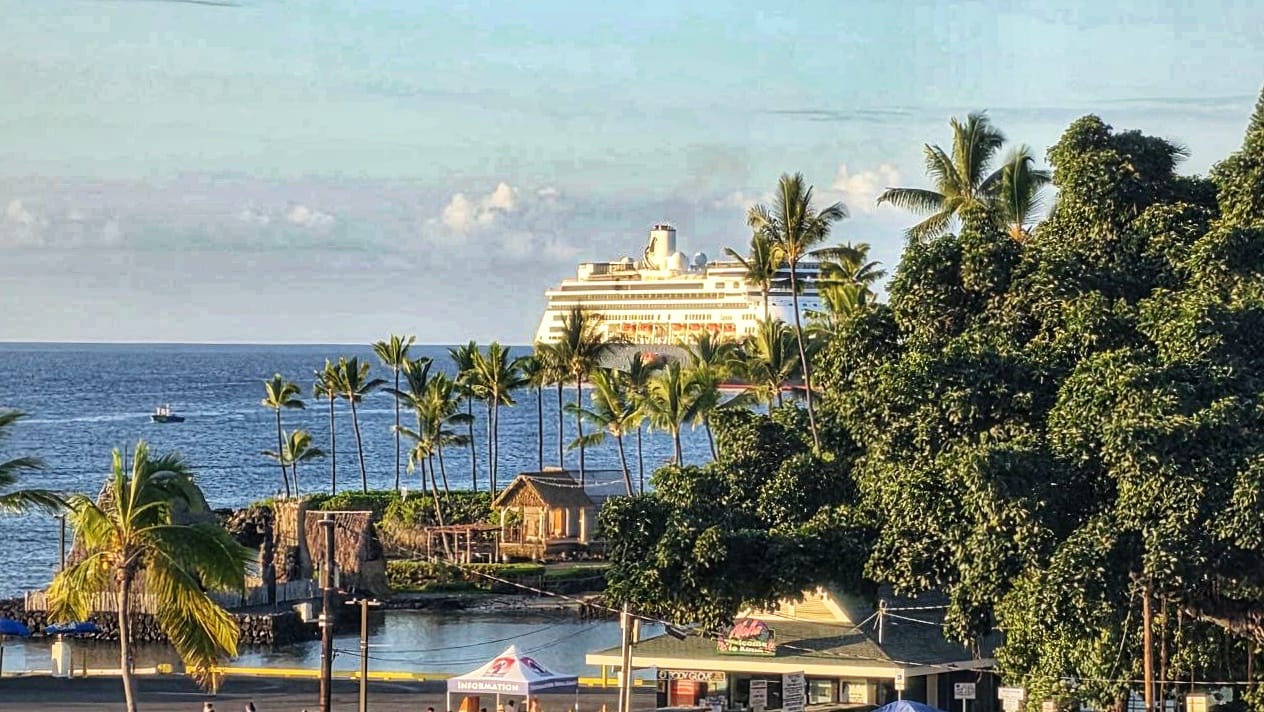
Look at the cruise ship component specifically. The cruise industry has been targeted relentlessly. While it’s true that older cruise ships can have environmental issues, a significant portion of the global fleet has invested billions in new technologies, scrubbers, and waste management systems to reduce their environmental footprint. Yet, instead of incentivizing these improvements, governments in Hawaii and elsewhere simply choose to impose a blanket fee on *all* passengers, regardless of the ship’s actual emissions. This isn’t a surgical strike; it’s a broad-based tax grab that targets the passengers, not just the corporations. It’s a classic example of governments choosing the path of least resistance: shaking down the little guy rather than holding large corporations truly accountable. The populist anger here is justified, because it feels like the system is rigged against the average person trying to afford a vacation.
What Happens When The Green Tax Spreads?
So, a federal judge has given this tax the green light. What happens next? We need to understand that this isn’t the end of the story; it’s just the beginning. The precedent established here—that a state can levy a fee on visitors under the guise of environmental protection, even if the primary purpose is clearly revenue generation—is a powerful tool for every other cash-strapped state and city. Imagine this logic applied elsewhere in the United States. New York City, which constantly complains about strained infrastructure, could easily implement a “transit impact fee” on all visitors. California, with its perpetually high debt and massive wildfires, could impose a “wildfire impact fee” on tourists visiting state parks or even just crossing state lines. The implications are endless, and they all lead to the same result: less money in your pocket and a bigger government footprint. This is a slippery slope, and we just took a hard slide down it.
It’s important to understand the bigger picture here. We are witnessing the normalization of “impact fees” as a primary source of government funding, replacing traditional taxation methods (like income tax or property tax) that are politically harder to increase. By targeting tourists, governments find an easy way to raise revenue without facing the wrath of their local voters. But don’t be fooled; the money will ultimately come from you, either through higher vacation costs or, eventually, through similar fees applied to residents themselves. The government’s appetite for new taxes is insatiable, and they will always find a new, high-sounding moral justification (like “saving the planet”) to justify it.
A Look at the Future: The Cost of Global Governance
The input data specifically mentions “Hawaii Joins Greece, Maldives, Japan, Spain, and Others.” This phrasing should set off alarm bells for anyone concerned about global governance and coordinated policy. When a series of geographically diverse nations suddenly implement similar policies with nearly identical justifications, it suggests a top-down influence from international bodies like the United Nations or a concerted effort by environmentalist NGOs to create a “new normal” in global tourism. This isn’t just about Hawaii; it’s about the erosion of affordable travel and the centralization of power in the hands of global elites who decide where, when, and how you get to travel. The Populist Fighter in me sees this as a clear attack on individual freedom and a classic case of the powerful squeezing the common person. The judge’s decision is merely a local endorsement of a globalist agenda. We’re being told that to see the world, we must now pay an ever-increasing tribute to a growing number of governments, all under the guise of environmental protection. It’s a racket, pure and simple, and we should be calling it exactly what it is: legalized extortion.
The argument that Hawaii needs this money to mitigate the effects of overtourism is weak. If a destination truly wanted to curb overtourism, it would implement policies that limit the number of visitors, such as restricting cruise ship arrivals or implementing a quota system for hotel rooms. Instead, they choose a tax that generates revenue while maintaining high visitor numbers. It’s a cynical move that prioritizes profit over actual conservation. The judge, by upholding this, simply rubber-stamped the government’s ability to tax citizens and visitors without sufficient oversight on how the money is actually spent. The precedent set here in Hawaii will undoubtedly be used by every other state and country looking for a convenient way to fill their coffers. This isn’t about saving the environment; it’s about saving the government from fiscal reality on the backs of tourists. Don’t fall for the greenwashing. It’s just a new tax. And it’s coming for you next vacation spots near you very vacation spot next.