The Winter’s Grip: December 26th, 2025, A Case Study in Modern Fragility
Look, let’s not mince words. We watched a routine, albeit heavy, snow event—we’re talking 1-2 inches per hour, not a blizzard straight out of an Arctic nightmare—bring one of the nation’s busiest hubs, LaGuardia, to its knees. Thousands of flights delayed? State of Emergency in New York? Please. This isn’t a warning; it’s a flashing neon sign pointing at systemic rot. (It’s always the Tri-State, isn’t it? They act like snow is some alien phenomenon descending from Mars.)
Timeline of Predictable Collapse
The storm didn’t sneak up on anyone. Meteorologists were blaring the horns starting midweek, right? But somehow, Friday evening, when the flakes started coming down thick and fast, it was an utter surprise. You had the operational centers—the nerve centers of modern logistics—just freezing up faster than the de-icing fluid supply chain. (They probably ordered the wrong glycol mixture again, you just know it.)
Think about the lead-up. We had ample warning. The models were screaming about significant accumulation across NYC, NJ, and CT. Yet, what happens? A slow, agonizing bleed of operations. Flights get canceled hours before takeoff, stranding travelers in already overstuffed terminals. This isn’t about the snow; it’s about preparedness, or the spectacular lack thereof. We celebrate technological leaps in navigation and fuel efficiency, but God forbid we need enough ground crews trained to shovel a runway in less than six hours. It’s embarrassing, frankly.
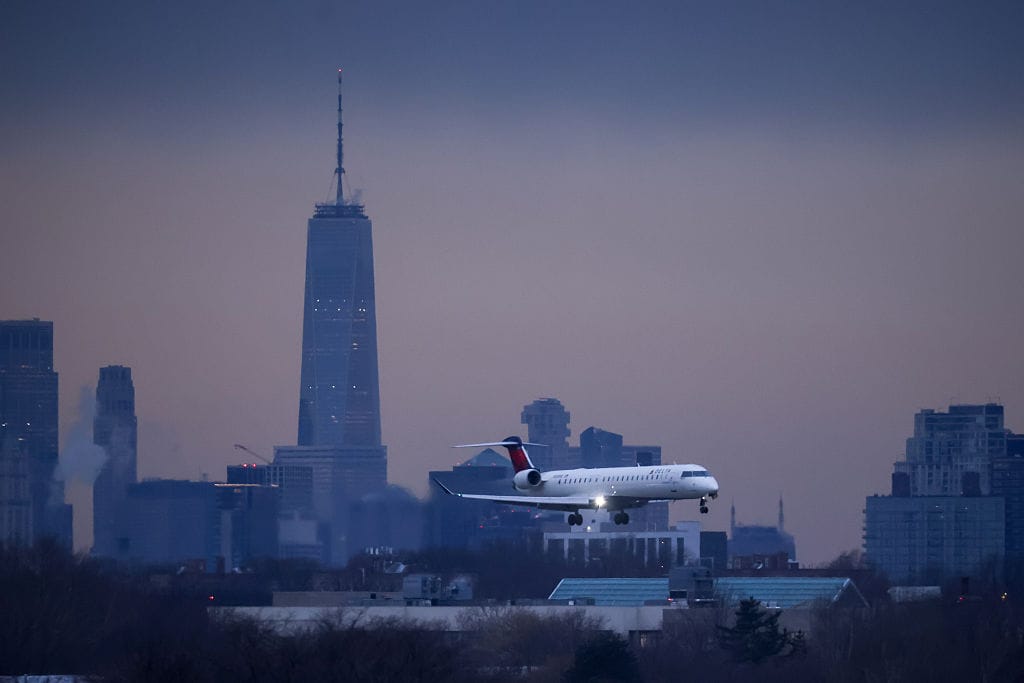
The Governor declaring a State of Emergency feels less like proactive governance and more like damage control after the fact. It’s the political equivalent of taping a broken dam after the valley below has already flooded. Hochul declaring it—fine, necessary theater—but where was the mandatory pre-emptive grounding? Where were the binding operational directives issued Thursday morning that demanded airlines staff up their snow removal teams and pre-position de-icing chemicals? Nowhere. Just shuffling paperwork while the Delta plane shown in the coverage was practically crawling in for a very expensive, very slow landing.
The Economic Fallout: More Than Just Missed Connections
This isn’t just about Uncle Jerry missing his connecting flight to Orlando to finally see Disney World. This is serious capital erosion. Every hour an LGA gate is effectively closed—or running at 20% capacity because only one runway is barely operational—costs millions. Lost productivity, wasted fuel burn from circling aircraft waiting for slot times that never materialize, perishable goods spoiling in cargo holds. (The specialized produce flown in for those high-end Manhattan restaurants? Toast.)
We need to look past the snow totals—the 10 inches versus the forecasted 14 inches—and focus on the elasticity of the system. When the system bends this easily under moderate stress, it means the entire structure supporting 21st-century commerce is built on sand. We rely on these hubs to feed the national and international arteries of trade. When the New York triangle chokes, the entire continent coughs.
And the airlines? They play the victim card every time. “Unforeseen weather event.” Unforeseen? It happens every single year, sometimes twice! They treat weather delays as an ‘Act of God’ insurance payout rather than an operational risk they are contractually obligated (and highly paid) to mitigate. They slash staff during slow seasons, betting against Mother Nature, and when she calls their bluff, the taxpayer or the stranded passenger picks up the tab for the chaos. (It’s time regulators started imposing fines that actually hurt, not just cute little slaps on the wrist.)
Deep Dive into the Infrastructure Gap
Let’s talk physical infrastructure. Those runways in the Northeast, especially older facilities like LGA, weren’t exactly built with climate change in mind—though this specific event might just be textbook seasonality. But the underlying issue is maintenance tempo. When the ground crew finally gets out there, why is the process so glacial? It comes down to equipment age, training specialization, and sheer manpower shortages fueled by the ‘Great Resignation’ hitting every blue-collar trade.
We are running a high-speed rail network on horse-drawn carriage maintenance schedules. That Delta jet landing on Friday was fighting surface friction and low visibility. De-icing isn’t just about spraying fluid; it’s about precision timing so that the plane isn’t sitting long enough for the residue to freeze back up before takeoff. A delay in de-icing cascades backward through the entire flight schedule, creating the ‘ripple effect’ that ruins the following Monday’s schedule before the snow has even stopped falling.
And the communication breakdown? Oh, it was glorious. Passengers getting conflicting information from the gate agent, the mobile app, and the departure board. Total breakdown of the single source of truth. (Why does the app always say ‘On Time’ when you can see through the terminal window that the plane is currently buried up to its landing gear?) This technological schizophrenia only compounds traveler stress, leading to inevitable confrontations that further drain airport security and customer service resources.
We should be studying how Helsinki or maybe even parts of Canada handle this exact level of snowfall with minimal disruption. They don’t just throw more salt on the problem; they have integrated, prioritized clearance protocols managed by dedicated, non-outsourced municipal/airport task forces. Here? It’s a patchwork quilt of private contractors bidding low and delivering unreliable service.
This 1-2 inches per hour rate isn’t even extreme, yet it caused this level of havoc across the region. Imagine a true nor’easter, the kind that dumps three feet and keeps coming. We wouldn’t just have delays; we’d have gridlock approaching national security implications. The fact that the system cracked this badly under *moderate* pressure means we are living on borrowed time until a truly severe weather event tests our backbone.
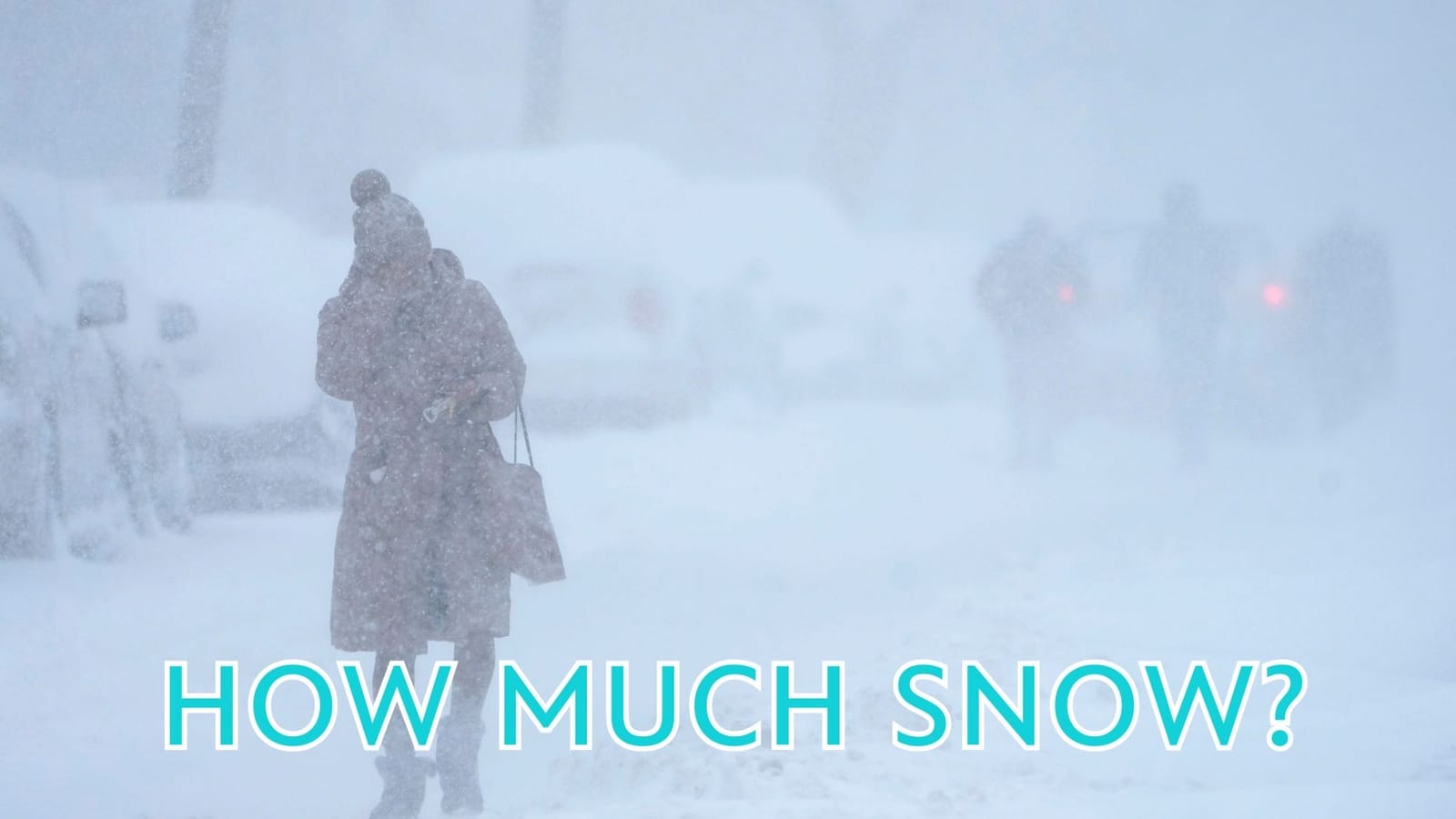
The media coverage, naturally, focused on the picturesque shots of snow accumulating. They showed the beauty. I’m looking at the ugly reality underneath: the millions lost, the stranded families, and the leadership—both governmental and corporate—that seems incapable of learning from history, even history that happened last February.
This entire episode screams of complacency. We pay premiums for air travel; we pay taxes for municipal services. Where is the return on that investment when the first real cold snap shuts down major economic activity? It suggests that perhaps the infrastructure funding is being misallocated, or worse, completely ignored in favor of shiny, politically advantageous projects elsewhere. The cold, hard truth is that the Northeast just proved it remains dangerously unprepared for winter, despite having centuries of experience dealing with it. It’s time for a reckoning, not just a cleanup. (And yes, I’m still waiting for my luggage from that missed connection two days ago.)
The entire situation is a farce wrapped in snowflakes. Wake up, America. If a little bit of snow can ground your economy, what happens when the real crises hit? We are soft. That’s the headline no one wants to print over the pretty picture of a falling flake.