Saturday NFL: A Holiday Gift or a Corporate Trojan Horse?
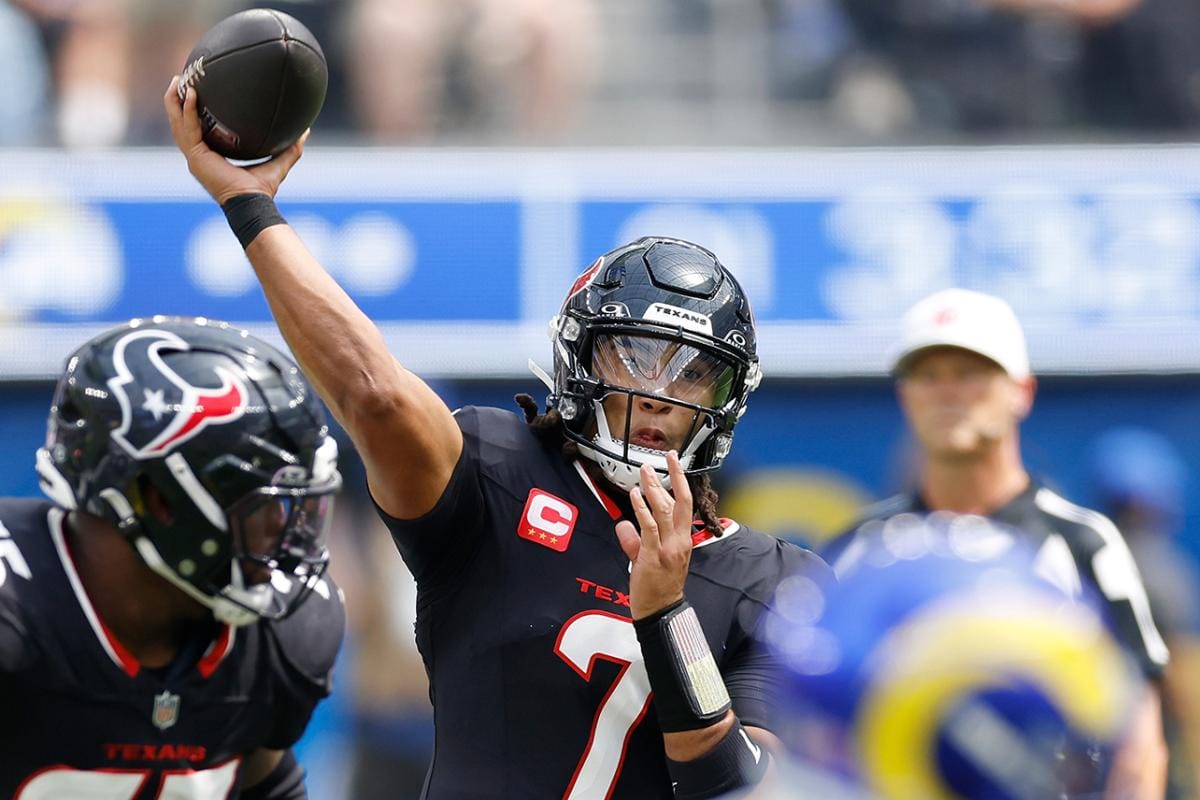
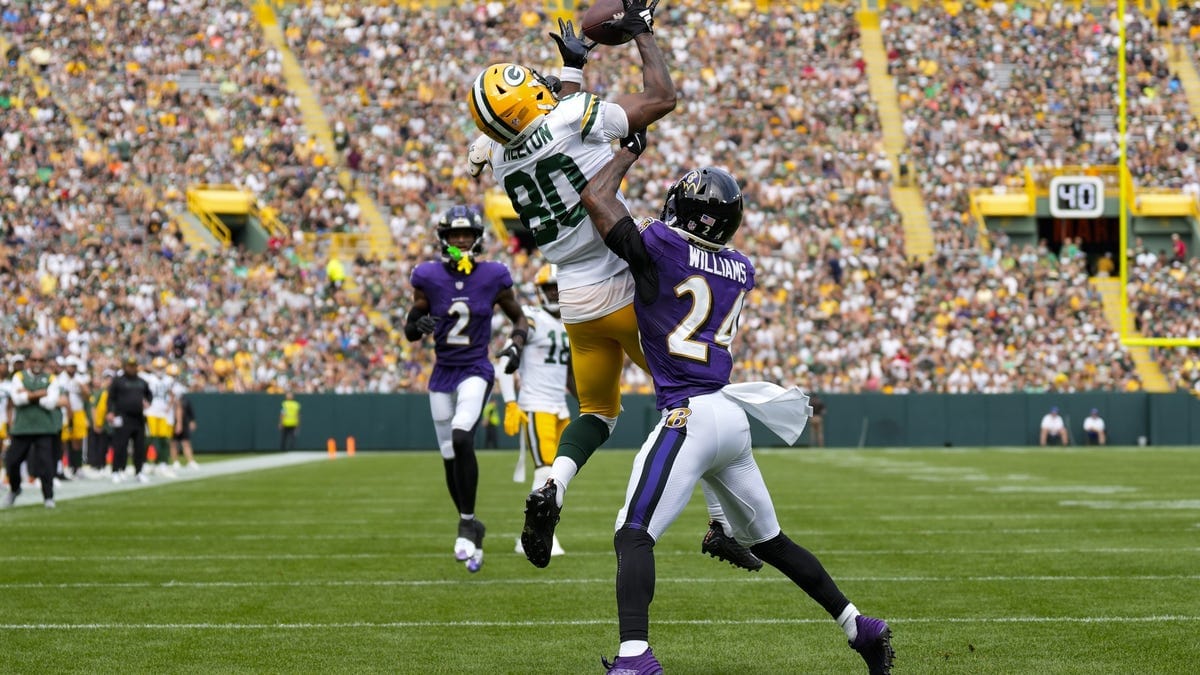
Ah, the NFL on Saturday. It feels like a cozy, unexpected holiday treat, doesn’t it? Week 17 of the 2025 season, right there, plopping down a couple of games—or maybe three, the initial intel is always a bit blurry on the exact count—like some kind of gridiron Santa Claus. Texans vs. Chargers, Ravens vs. Packers. What a concept! More football, more fun, more reasons to ignore your family during the festive season. But let’s pump the brakes on that warm, fuzzy feeling for a second, because if you’re buying into the ‘gift’ narrative, you’re missing the whole enchilada. This isn’t about goodwill; it’s about conquest. Pure, unadulterated market expansion.
The NFL, a juggernaut of calculated moves, rarely does anything out of sheer altruism. Every single scheduling decision, every broadcast window carved out, every international game planned is a meticulously calibrated chess move on the grand board of global sports and entertainment. And these Saturday games? They’re no exception. They are a declaration of war, a calculated strike on the last bastions of sporting tradition, and a relentless push towards total viewing saturation. It’s an interesting play, indeed.
The Erosion of Sacred Sunday: A History Lesson
Remember a time, not so long ago, when Sunday was the undisputed, hallowed ground of professional football? It was almost biblical, wasn’t it? From noon to night, the airwaves hummed with NFL action, a weekly ritual etched deep into the American psyche. Families gathered, chips and dip flowed, allegiances were tested. Sunday was the NFL. Period.
But the beast, ever hungry, started to stir. First, came Monday Night Football. Revolutionary, prime-time, a new slot, a new revenue stream. Fans lapped it up, naturally. Then, Thursday Night Football limped onto the scene, often featuring questionable matchups and raising legitimate concerns about player safety and competitive integrity. But it was *more* NFL. And more NFL, the league rightly surmised, meant more eyeballs, more ad dollars, more power. Each step was incremental, a slow boil that hardly registered as a threat until suddenly, you’re swimming in a pot of year-round gridiron. The move to Saturday isn’t a deviation; it’s the next logical, utterly predictable escalation in this relentless march.
The college game, once lord of the Saturday domain, is now caught in the crosshairs. For decades, Saturday was theirs. Tailgates, fight songs, local rivalries, a distinct cultural vibe that was worlds apart from the professional machine. The NFL, with its immense gravitational pull, is systematically encroaching on that territory, year after year. They’re not just playing on Saturdays; they’re telling college football, plain as day, ‘We’re coming for your space.’ And what’s college football going to do? Whine about it? Good luck with that. The NFL’s financial might is simply unmatched, a tsunami against a backyard pool. It’s a dog-eat-dog world, and the NFL is the biggest, hungriest dog on the block.
The Deconstruction of the ‘Fan Experience’
Let’s talk about you, the fan. You, who shell out for expensive cable packages, streaming subscriptions, team merchandise, and the occasional overpriced beer at the stadium. The league tells you these Saturday games are a bonus, a little extra something because they appreciate your dedication. What a load of malarkey. They appreciate your wallet. These ‘gifts’ are carefully calculated enticements, designed to keep you glued to your screen, to reinforce the NFL as the indispensable center of your entertainment universe.
The strategic brilliance, from a corporate perspective, is undeniable. By spreading games across more days, the NFL maximizes its reach. It captures casual viewers who might be busy on Sundays. It caters to different time zones more effectively. It creates more premium broadcast windows, driving up the value of media rights to astronomical levels. Think about it: a few years ago, the idea of an NFL game on a Saturday in late December felt almost sacrilegious. Now, it’s just another Tuesday, another slot to fill, another billion-dollar deal to be struck. The narrative has shifted, and you, dear fan, have been expertly herded into accepting it as normal. It’s a masterful piece of corporate psychology.
But what’s the actual cost? Saturation, for one. Is there such a thing as too much football? Some might scoff, but even the most ardent fan can experience fatigue. When the ‘specialness’ of an event starts to dissipate because it’s always, always there, it loses some of its luster. The constant bombardment of content, the endless stream of analysis, highlights, and betting odds—it transforms the sport from a cherished weekly event into relentless background noise. It becomes less an experience and more a commodity, just another product on the shelf.
Then there’s the fragmentation. Remember when you could pretty much catch every significant game on a handful of channels? A quaint thought, almost prehistoric. Now, you need a subscription for this network, another for that streaming service, maybe a specialized package for international games, and God forbid you miss a prime-time clash because it’s exclusively on some obscure platform you’ve never heard of. These Saturday games, positioned often as special holiday events, are often strategically placed behind paywalls or exclusive streaming deals. It’s not just more football; it’s more hoops for you to jump through, more dollars to extract from your pocket. The illusion of access is just that: an illusion. You’re paying for the privilege, again and again.
The Relentless Grind: Players as Cogs
While we wax poetic about the league’s Machiavellian brilliance, let’s spare a thought for the actual athletes. These are not gladiators of old, revered and rested. They are highly paid, yes, but also highly utilized cogs in an unforgiving machine. Week 17 games are brutal. Bodies are breaking down, injuries are piling up, and the mental toll of a full season is immense. Shifting games to Saturday, particularly with the truncated turnaround times that sometimes accompany Thursday night fixtures or special holiday slots, only intensifies that physical and mental grind.
The league, of course, has its talking points about player safety, about medical advancements, about protocol updates. It’s all very well rehearsed. But when the bottom line dictates more games, more windows, more intensity, those concerns often seem to take a backseat to the relentless pursuit of profit. These players, who sacrifice so much, are expected to perform at an elite level, week in and week out, regardless of the calendar shuffling. And if one falls, another waits in the wings. It’s a stark, almost brutal reality of professional sports that gets glossed over in the glitter of prime-time lights.
The balance between generating revenue and protecting the assets (the players) is a tightrope act. For now, the NFL has managed to walk it, but one has to wonder, at what point does the rope fray? At what point does the human cost become too high, even for a league seemingly immune to such criticisms? The players are the product, and the product is being stretched thinner and thinner. That’s just logical deconstruction, folks. No sentiment, just facts.
Future Shock: The 365-Day NFL
So, what’s next? If Week 17 Saturday games in 2025 are a harbinger, where does this all end? The trajectory is clear, crystal clear. The NFL wants to be a 365-day-a-year content provider. Forget off-season; there is no off-season. There’s the combine, free agency, the draft, mini-camps, training camp, preseason, and then the actual season. And now, holiday Saturdays. What about Fridays? Not yet, perhaps, but give it time. The league already dreams of global expansion, with games in London, Germany, Brazil, and inevitably, more on the horizon. A robust international schedule would necessitate more flexible scheduling, more unique windows. Saturday games are just dipping a toe in that water.
Imagine a future, not too distant, where NFL games are played on every single day of the week, in various time zones, catering to every conceivable market. Virtual reality broadcasts, personalized viewing experiences, betting integrations so seamless they feel like part of the game itself. The NFL isn’t just a sports league anymore; it’s a media empire, a cultural institution, a financial behemoth that sees itself as the indispensable entertainment engine of the Western world, and beyond. Its tentacles are reaching, always reaching, for more. More money, more power, more control. It’s not a prediction; it’s an observation of an ongoing strategy.
And what about the casual fan in this scenario? The one who just wants to catch a game or two on Sunday without a PhD in streaming platforms? They’ll be left behind, lost in the noise, unable to keep up with the relentless pace of content delivery. The NFL, like all media conglomerates, is increasingly catering to the extreme end of its fandom, the super-consumers, the addicts who will pay any price and navigate any labyrinth for their fix. Everyone else? Collateral damage. It’s a brutal, but effective, business strategy.
The Bottom Line: Don’t Be Fooled
So, as you settle in to watch the Texans and the Chargers, or the Ravens and the Packers, on that festive Saturday in 2025, enjoy the spectacle. By all means, cheer for your team, marvel at the athleticism, get lost in the drama. That’s what it’s there for. But just remember, beneath the veneer of holiday cheer and unexpected football, lies the cold, hard reality of a corporate entity asserting its dominance. This isn’t a gift from the NFL; it’s an investment in your continued consumption. It’s a strategic maneuver designed to expand its footprint, consolidate its power, and extract maximum value from every single viewing opportunity. Understand the game being played off the field, folks, because that’s the real show.
Stay sharp. Question everything. This is how the empire expands, one Saturday game at a time. The illusion of choice is a powerful thing. But the reality? The reality is always about the bottom line. Always.