The Snowfall Escalation: A Familiar Tune
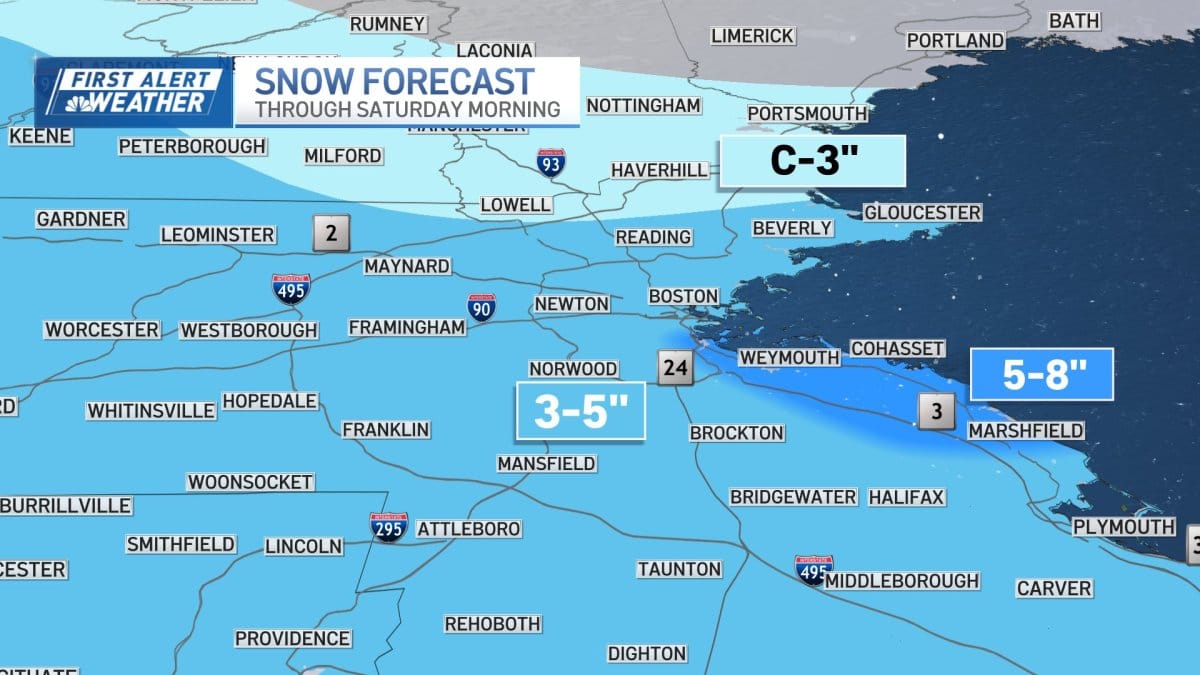
So, it’s happening again. Massachusetts is on the cusp of getting walloped by another snowstorm. You’d think after all these years, people would be better prepared, but nope. The latest intel suggests the snow totals are ticking upward, which means more headaches for commuters, more canceled plans, and another round of ‘are you kidding me?’ sighs across the state.
It’s not just a dusting either. We’re talking about snowfall rates that could hit 1-3 inches per hour in some areas. That’s the kind of speed that turns a minor inconvenience into a full-blown travel nightmare before you can even finish your morning coffee. Think about it: a couple of hours of this and suddenly you’re looking at a foot or more of accumulation. It’s like the weather gods are just messing with us at this point, throwing curveballs when we least expect it.
The National Weather Service has already put out Winter Weather Advisories and Warnings. This isn’t some casual heads-up; this is the official ‘hunker down and hope for the best’ notification. And let’s be honest, Massachusetts isn’t exactly known for its graceful handling of a few inches of snow. Roads will be a mess, plows will be overwhelmed, and the collective groan will be deafening.
The Art of the Snow Forecast (and its Unreliability)
Forecasters are scrambling, tweaking their models, and inevitably, the numbers creep up. It’s a high-stakes game of meteorological chess, and the public is just caught in the crossfire. One day it’s a moderate snowfall, the next it’s a potential blizzard. This constant shifting is maddening. (But hey, what else are they supposed to do? Guess?)
The low-pressure system is the culprit, a classic winter storm setup that knows how to maximize misery. It’s like it’s got a personal vendetta against smooth commutes and on-time arrivals. The storm is carving a path from New York City right into New England, and Massachusetts is squarely in its sights. Rhode Island and Connecticut are also getting a piece of this icy pie, but you know the Bay State always seems to be the main course.
They’re warning against travel. Shocking, right? As if people actually listen to these warnings when their livelihood depends on getting from Point A to Point B. The reality is, some folks *have* to be on the road. And for them, this storm is a genuine threat. Up to 8 inches in some parts of Massachusetts is a serious amount of snow, especially when it falls fast.
This isn’t just about snow. It’s about the ripple effect. Flights will be delayed or canceled. School districts will scramble to decide whether to close, adding another layer of chaos for parents. Local businesses might shut down, impacting the economy. It’s a whole ecosystem of disruption that hinges on a few inches of frozen precipitation.
A History of Snowy Battles
Massachusetts has a long, proud, and often frustrating history with snowstorms. We’ve endured Nor’easters that buried us for days. We’ve seen blizzards that shut down the entire region. Remember the ‘Snowmageddon’ of 2015? That was a doozy. This current storm, while perhaps not on that historic scale yet, taps into that collective memory of being trapped, inconvenienced, and frankly, a little bit angry at Mother Nature.
Every storm feels like a test. Can the infrastructure hold up? Can the people cope? Can the plows actually keep pace? The answers are usually a mixed bag. We see incredible resilience and community spirit, but also widespread frustration and that all-too-familiar gridlock. It’s a cycle. Snow falls, we complain, we dig out, we forget, and then it happens all over again.
The timing of this storm is also key. Hitting on a Friday night means it could set the stage for a messy weekend. Travel plans for weekend getaways will be obliterated. People trying to get home from work will face the brunt of the initial snowfall. And then, the cleanup begins, often stretching into Saturday and Sunday, forcing many to spend their precious downtime shoveling and navigating treacherous roads.
Looking Ahead: Beyond the Flurries
What does this escalation in snow totals tell us? For one, it reinforces the unpredictable nature of winter weather, especially in this region. Climate change might be a factor, leading to more extreme weather events, but even without that, New England is just prone to these powerful storms. It’s part of its identity, for better or worse.
Strategically, this means our winter preparedness needs to be more robust than ever. It’s not just about having a shovel. It’s about having emergency supplies, ensuring your car is winter-ready, and having a plan for potential power outages. We need to be thinking less about a single storm and more about a sustained period of winter conditions. (That’s the Cold Strategist talking, by the way.)
The economic impact, though often temporary, is significant. Lost workdays, disrupted supply chains, and increased demand for certain goods (hello, snow shovels and salt!) all play a role. Then there’s the cost of snow removal itself – a massive expense for municipalities. It’s a drain on resources that could be used elsewhere.
And what about the psychological toll? Constantly dealing with harsh weather, short days, and the general disruption can wear people down. This storm, with its increasing predictions, adds another layer of fatigue. It’s a reminder that winter is a formidable opponent, and sometimes, it feels like it’s winning.
So, as the snow starts to fly, remember this: it’s not just weather. It’s a recurring challenge that tests our infrastructure, our resilience, and our patience. Will we learn? Will we adapt? Or will we just keep doing the same dance with the snow every year? (My money’s on the latter, but a strategist always hopes for improvement.) The forecast is trending higher, and that means the disruption is trending higher too. Brace yourselves.