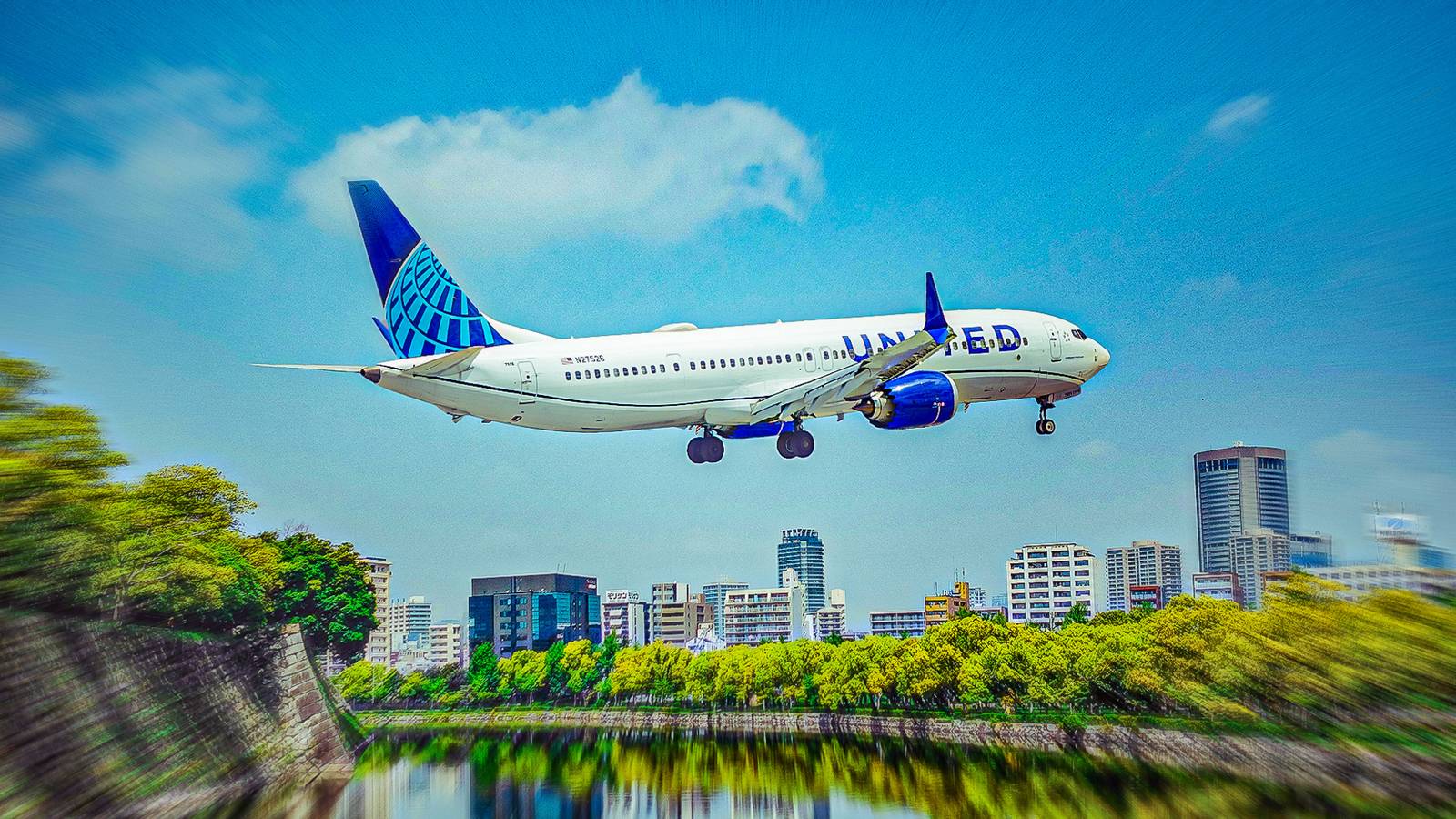
The Anatomy of Status Arbitrage: Why a Passenger Flew Six Times in One Day
And so we have reached peak absurdity in the world of loyalty programs, where the true value of a product is found not in its consumption, but in its strategic exploitation. Because when you see headlines about a United Airlines passenger taking six flights in a single day for a mere $500 to secure Premier Platinum status, you shouldn’t see an adventurous spirit or a dedicated traveler; you should see a cold, calculating opportunist who exposed a glaring systemic weakness, one that airlines and credit card companies are desperate to keep hidden from the average consumer.
But let’s be clear about the stakes here, because this isn’t a story about a fun challenge; it’s about a high-stakes, low-effort investment strategy in the new economy of status. This passenger, by spending roughly $500 on a whirlwind series of flights—a so-called mileage run—effectively bought Premier Platinum status, which normally requires spending thousands of dollars over the course of a year. The core calculation here is simple financial arbitrage: the cost of acquiring the status is drastically lower than the value of the benefits it unlocks. And to understand why someone would subject themselves to a full day of airport lines, security checks, and cramped seats, you have to understand exactly what that status buys you.
The Mythical Value Proposition: What Platinum Status Really Means
Because the real prize for a frequent flyer isn’t the points themselves; it’s the upgrades. This passenger didn’t just spend $500 for a shiny card; they spent $500 to potentially save thousands on future travel by securing upgrades to business or first class, free checked bags, and lounge access, not to mention priority boarding that allows them to stake a claim on overhead bin space before the masses. The true currency of air travel today isn’t a low ticket price; it’s a higher status tier, a position in the pecking order where you are insulated from the constant indignities inflicted upon the standard economy traveler. And this single day of flying was a small price to pay for a year of avoiding those indignities.
And the passenger’s strategy was a masterstroke of system exploitation, specifically leveraging the nuances of United’s new revenue-based loyalty system, which, ironically, was designed to stop exactly this kind of behavior. United, like most major airlines, has transitioned from rewarding miles flown (butt-in-seat miles) to rewarding dollars spent. The logic behind this shift was to align loyalty with revenue: the high-paying customers get the status, and the low-paying customers get… well, nothing. But this passenger’s successful run reveals a major flaw in the implementation. Because by flying six short, cheap flights, they managed to accumulate the necessary Qualification Points (QPs) while minimizing their actual expenditure on a low-fare, high-volume routing, effectively bypassing the revenue requirement that United intended to enforce. It’s a classic example of gaming a system built on bad assumptions.
The Unspoken Cost: Time vs. Capital
But let’s talk about the cost of this “fun challenge,” because the passenger didn’t pay in dollars alone. They paid in time and sanity. A full day spent on six flights, shuttling through airports, is a brutal ordeal. This isn’t a leisure activity; it’s work. It’s a calculation where the value of a day of a person’s life (a Saturday or Sunday, presumably) is deemed less valuable than the economic benefits derived from the status. And this calculation itself highlights a deeper societal issue: the value placed on financial optimization over all else, even over personal well-being. It is the perfect embodiment of the modern consumer’s compulsion to hack the system, to find the loophole, and to extract every possible cent of value, even if it means sacrificing comfort and time. This passenger, and many others like him in the “points hacking” community, view their time not as a finite resource to be cherished, but as a flexible variable to be manipulated for maximum economic gain.
And this behavior is entirely rational in a market where loyalty programs are specifically engineered to encourage it. The airlines create an artificial scarcity—upgrades are limited, lounge space is premium, and boarding zones are sacred. By creating these tiers of privilege, they encourage a high-spending, high-flying consumer base to engage in a rat race for status. But when a low-spending passenger can achieve that status through strategic maneuvering, it throws the entire system into chaos. And United is now faced with a dilemma: do they allow this arbitrage to continue, potentially diluting the value of Platinum status for their high-paying corporate clients, or do they close the loophole, risking further alienation from a customer base that already views them with deep suspicion?
The Inevitable Devaluation: The Future of Status and Loyalty
Because every time a loophole like this is exposed, a program devaluation is imminent. The airlines are not philanthropic organizations; they are publicly traded companies focused on quarterly earnings, and they will always, always prioritize profit margins over customer satisfaction. When they find out that low-fare passengers are clogging up the upgrade lists, they will respond by raising the requirements for status, either by increasing the number of flights needed or, more likely, by increasing the dollar amount required. And this cycle repeats endlessly: the consumer finds a new hack, and the corporation closes it, raising the cost of entry slightly higher each time. The ultimate losers are always the average customers who fly often enough to feel like they deserve status but not strategically enough to actually earn it at a low cost. They are left behind, paying full price for benefits that are increasingly diluted by a flood of status chasers.
And let’s not ignore the larger implications of this behavior on consumer expectations. Because the mileage run phenomenon proves that for a certain segment of society, the true goal of travel is no longer the destination itself, but rather the act of collecting points and status along the way. Travel has been reduced to a transaction, a necessary evil for accumulating enough currency (points) to secure future privilege. This mentality transforms what should be a straightforward transaction into a complex, high-stakes game of optimization, where success is measured not in experiences, but in saved dollars and higher boarding groups. It’s a depressing new reality where the journey is entirely secondary to the economic gain.
And so, while this passenger may be celebrated as a points hacker genius by some, a true strategist recognizes that this wasn’t a win for the consumer. It was a temporary victory against a broken system that will inevitably adapt and become even more complex and expensive for everyone else. This specific mileage run, like all others before it, is less a cause for celebration and more a warning sign of the impending devaluation of loyalty programs. It’s a cold-blooded fact: when you exploit the system, you force the system to change, and the change never benefits the masses.