The Haunted Highlight Reel: Why Old Ghosts Are Spoiling Chiefs’ Wins
And here we go again, the Kansas City Chiefs winning, but underneath all that shiny hardware and triumphant field goals, there’s a persistent, sour odor of unfinished business, a whiff of past drama that no amount of Super Bowl rings seems capable of masking, and you can bet your bottom dollar that when the NFL’s highlight reel starts dredging up old clips, specifically those involving running back Kareem Hunt—a name synonymous with both electric playmaking and highly publicized, messy exits—it’s not just a casual trip down memory lane, it’s a deliberate, almost sadistic reminder of the talent they jettisoned and the standards that their current stable of runners must now, unfairly or not, be measured against while the organization pretends everything is sunshine and rainbows.
Yikes.
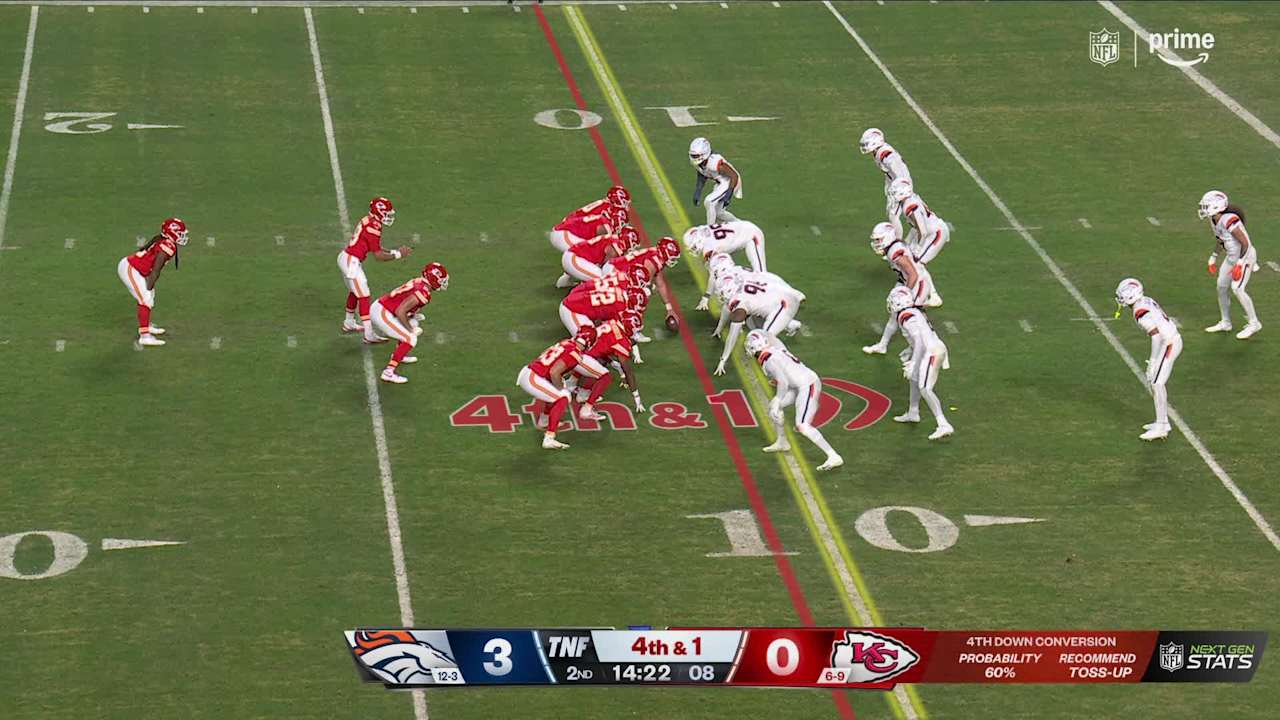
Because let’s be real, seeing Hunt’s 5-yard conversion, a gritty, powerful inside route run that screams ‘I will not be stopped,’ immediately followed by a look at the future—Brashard Smith breaking tackles for a score—isn’t a seamless transition; it’s a jarring juxtaposition that throws massive shade on the current state of the Chiefs’ backfield development program and makes you wonder just how much organizational regret festers beneath the surface every single time a marginal gain needs to be celebrated with such fanfare, forcing us to ask if the Chiefs truly believe in the stability they project or if they are desperately seeking validation through the past.
But the real juice here isn’t the five yards gained; it’s the fact that the highlight package *chose* to feature Hunt at all, a move that screams of management subtly throwing a jab or perhaps an analyst desperately trying to boost engagement by resurrecting controversy, turning what should be a simple game recap into a sociological study of player replacement and the painful price of fame in the modern NFL landscape, especially for a team that constantly maneuvers under the harsh spotlight of dynasty expectation.
The Fading King: Is Kelce’s 11 Yards a Warning Sign?
And then there’s Travis Kelce. The perennial darling, the gold standard for tight ends, the guy who can always be counted on for the critical gain—except, wait a minute, his celebrated “First Reception” yielded a paltry eleven yards against a divisional opponent everyone expects the Chiefs to absolutely demolish, a number so mundane it almost feels like a punchline, raising eyebrows among those of us who track usage rate and explosive play metrics like stock analysts watching a bear market, trying to discern if this is simply a slow start or, heaven forbid, the very first tremor before the inevitable seismic shift where age finally decides to collect its due from one of the league’s most beloved but fiercely competitive stars.
Small potatoes, huh?
Because while everyone is busy focusing on the Taylor Swift spectacle and the off-field buzz that surrounds the man, the hard truth is that in the grueling world of professional football, one single eleven-yard gain is functionally meaningless unless it sets up something much bigger, and if this is the maximum explosion we can expect early on, coaches need to start adjusting their playbook faster than a tabloid writer chases down a scoop, realizing that relying on the aging warhorse might suddenly become a strategic liability rather than a guaranteed asset, putting enormous pressure on the quarterback to make plays that simply weren’t necessary when Kelce was running routes with the effortless velocity of a man half his age.
But let’s pivot and give the coaches the benefit of the doubt for approximately 0.2 seconds: Maybe, just maybe, they were strategically holding back their superstar, keeping the explosive deep routes under wraps like a magician guarding his best trick, saving Kelce’s deep speed for the playoffs when the real money is on the table, thereby risking immediate game outcomes to ensure long-term availability, a dangerous high-wire act that only a coaching staff with the confidence (or arrogance) of the Chiefs’ would dare attempt, trusting their depth chart to handle the grunt work against the Broncos.
And yet, if the plan truly was to hide Kelce, then why announce the eleven-yard reception with such fanfair? It’s the kind of overblown promotion usually reserved for a rookie’s first score, not a future Hall of Famer’s routine short catch, suggesting perhaps that the Chiefs PR machine is running on fumes and trying to create content where there is none, or worse, trying to distract us from other, more troubling indicators on the field, potentially involving offensive line struggles or a general lack of rhythm that they’d prefer the casual fan overlook entirely while basking in the glow of the familiar tight end’s name.
Brashard Smith: The Real Hero or A Convenient Scapegoat?
Because if there’s one thing the Chiefs brass desperately wanted you to talk about this week, it’s the arrival of Brashard Smith, the running back who finally delivered the kind of dynamic play that makes you jump off your couch and scream, proving that yes, there is life after the big names and that the depth chart isn’t just filled with practice squad fodder, but with legitimate game-changers who have been languishing on the sidelines, waiting for their moment to shine and expose the lack of foresight from those who compile the initial depth charts, forcing a narrative shift that suddenly elevates him from an afterthought to a legitimate competitor for meaningful snaps moving forward, creating delicious locker room tension in the process.
He’s the narrative disruptor.
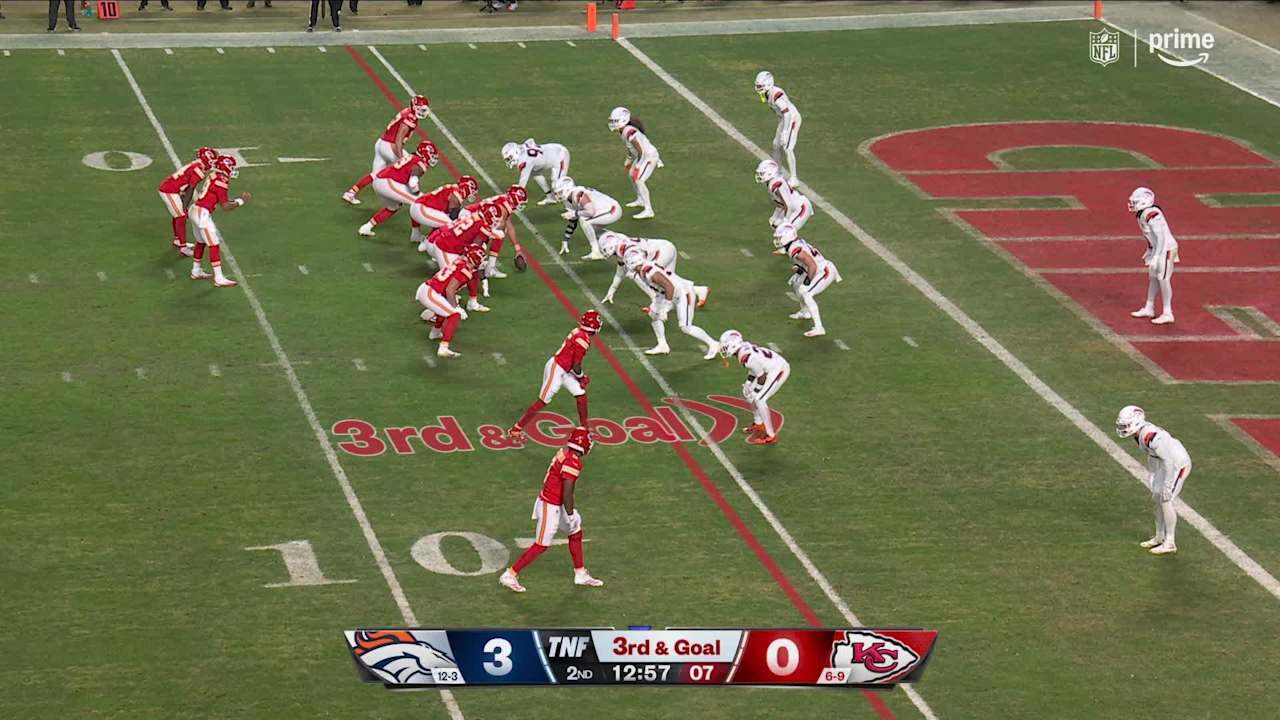
And that touchdown run, where he catches the pass out of the backfield, breaks a tackle—a crucial moment of sheer will and athleticism that demonstrates his commitment to never going down easily—and powers his way into the end zone, wasn’t just six points; it was a loud, aggressive statement delivered right to the face of every defensive coordinator who thought the Chiefs only ran through their established superstars, signaling the arrival of an unpredictable new weapon, forcing opposing teams to re-read their scouting reports overnight and dedicate precious practice time to a player they previously might have dismissed as a third-down specialist or situational back, effectively adding another layer of complexity to an already nightmarish offense.
But the scandalous question that every good analyst (read: gossip columnist) must ask is this: If Smith is capable of this kind of game-breaking play, the kind of explosive, tackle-shedding effort that changes the complexion of a drive, why in the Sam Hill was he not featured more prominently much earlier in the season or even in preceding seasons, strongly suggesting either a catastrophic failure in coaching evaluation, where talent was ignored in favor of seniority or perceived reliability, or perhaps a deliberate attempt to keep him marginalized until a specific moment of need arose, which sounds less like smart coaching and more like playing favorites or manipulating playing time for external, potentially contractual reasons.
Because the moment a relatively unknown player breaks out with that kind of flash, the focus immediately pivots to the guys he’s replacing, throwing intense scrutiny onto their performance, their commitment, and even their contract status, creating palpable tension in the running back room where suddenly the pecking order looks a lot less secure than it did a week ago, adding a level of delicious intrigue that elevates a routine AFC West matchup into a psychological battle for roster survival that fans absolutely devour with relish.
The Deep Dive: Implication of the Three Plays on the Chiefs’ Future Stability
And what we are witnessing here, friends, is the slow, grinding machinery of dynasty maintenance, where the ghosts of former glory (Kareem Hunt’s clip) rub shoulders uncomfortably with the fading efficacy of established legends (Kelce’s necessary but non-explosive 11 yards), all while the organization tries desperately to baptize the next generation of stars (Brashard Smith’s decisive TD) into the highly demanding and emotionally taxing ‘Chiefs Way,’ a culture that prizes winning above all else and has zero tolerance for anything less than perfection, making the environment incredibly volatile for unproven talent.
It’s pure chaos.
Because the Broncos game, regardless of the final score, highlighted a fundamental vulnerability in the Chiefs’ structure: they rely too heavily on individual brilliance to paper over cracks in consistency, and while Hunt’s clip shows what individual brilliance looks like when paired with raw aggression, Smith’s touchdown demonstrates the kind of sustainable, modern output that a team needs to thrive for another decade, but the lingering comparison to Hunt is the poisoned apple, constantly reminding everyone that the gold standard they set was ultimately unattainable due to off-field issues, which puts an undue burden of ethical and professional perfection on every newcomer.
But let’s speculate wildly, as any good analyst should, about the locker room dynamics post-game: Is Kelce throwing shade at the coaching staff for running short, conservative routes designed to limit his risk, or is he quietly accepting his new role as the wise, reliable veteran who picks up key third downs, reserving his energy for moments when the game hangs truly in the balance, a monumental shift in ego that could either stabilize or completely unravel the offense depending on how it’s managed by the leadership, requiring exceptional communication and probably a few private, intense meetings with the coaching staff and the star quarterback to smooth out any ruffled feathers before they become a full-blown media storm.
And if Smith continues this trend of breaking tackles and scoring, you can bet your bottom dollar that trade rumors surrounding the other Chiefs running backs—guys who suddenly look pedestrian next to Smith’s raw athleticism—will start swirling with the speed of a Kansas tornado, forcing the general manager to make tough decisions about veterans with high cap hits versus the promising, inexpensive youth, a financial crunch time that makes every single snap Brashard Smith takes a high-stakes audition for the entire backfield, guaranteeing that the tension leading into the trade deadline will be absolutely electrifying and probably involve a lot of whispered phone calls and nervous glances across the practice field.
Because ultimately, these three disparate data points—the nostalgic, controversial past, the functional but non-spectacular present, and the explosive, uncertain future—don’t just tell the story of one game against the Broncos; they tell the entire, fraught narrative of a dynasty trying desperately to manage its own decay while simultaneously fighting off hungry competitors, a narrative so rich with psychological and athletic warfare that it makes for irresistible tabloid fodder, proving that even when they win, the Chiefs are still the most dramatic show in town, and we are all just watching for the moment the whole structure decides to spectacularly implode under the weight of its own success and expectation.