The Illusion of Momentum: Why Every Chief’s Gain Signals Doom
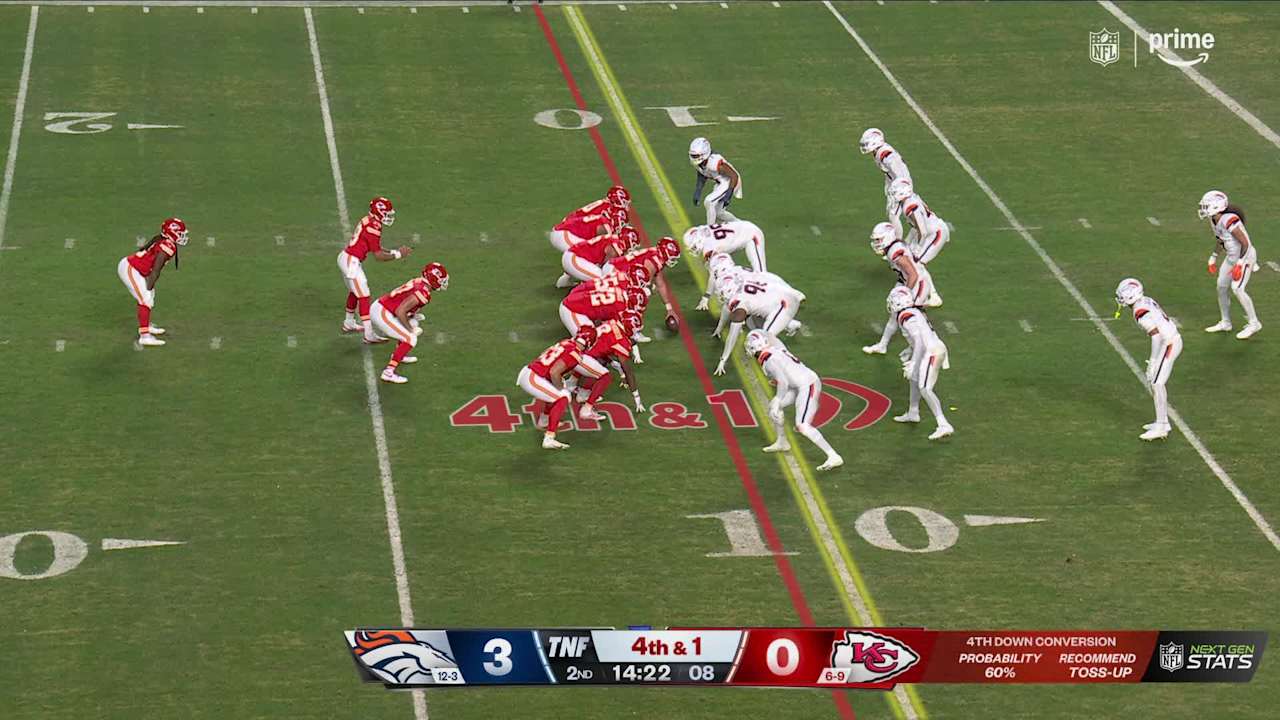
Let’s cut the pleasantries, shall we? If you are genuinely celebrating a hard-fought 5-yard conversion or an 11-yard gain from a Hall of Famer, your standards aren’t just low; they are subterranean, signaling a complete lack of critical analysis regarding what it takes to sustain a dynasty in the modern NFL. We are past the point of subtle concern; we are entering the panic zone, where every small success is just a flimsy paper towel trying to sop up an oil spill of systemic failure. Look at the tape. Look at the context. This isn’t efficiency; this is desperation wearing a cheap suit. Are we really supposed to throw a parade because the Kansas City Chiefs offense, historically one of the most explosive units in professional football, had to rely on a grind-it-out, bare-minimum five-yard surge from Kareem Hunt to keep the chains moving on a critical fourth down, a play that in years past would have been effortlessly converted by sheer offensive complexity and talent, rather than brute force necessity?
What’s the real story here? The real story is that the opposing defense, the Denver Broncos, a team currently scrambling for identity and playing with all the conviction of a substitute teacher on a Friday afternoon, managed to stuff the Chiefs on three prior plays, forcing a situation where the offensive coordinator had to essentially roll the dice on a known commodity just to avoid a massive momentum shift. This is not the sign of a well-oiled machine; this is the sound of an engine sputtering on its last fumes. It’s high-risk, low-reward football, and it proves conclusively that the magic, that special sauce that defined the beginning of this supposed dynasty, has evaporated into the stale air of complacency.
The Kareem Hunt Conversion: A Symptom of Roster Bankruptcy
The NFL Game Highlights presented the 5-yard gain by Kareem Hunt as a pivotal moment, a testament to grit, but let me tell you what that play truly highlighted: roster bankruptcy. When you are leaning on a familiar name for the most basic of conversions—the simple ability to advance the ball five yards—it suggests two terrifying things: first, that your coaching staff has zero faith in the newer, flashier options in that specific, high-pressure situation, and second, that the playbook has become so painfully predictable that only sheer physical refusal to go down, rather than scheme, can achieve the result. The Kansas City Chiefs running back Kareem Hunt taking the inside route on a 5-yard run that helps the Chiefs convert is not a highlight; it is a giant, flashing, crimson warning sign saying, ‘We are predictable, and we know it, but we have no other choice.’ How long until defenses simply stack the box and dare the diminished receiving corps to beat them over the top?
The history of NFL dynasties is littered with moments like these—small, celebrated victories that masked a deep, festering rot beneath the surface, where the focus shifts from generating easy, large gains through superior schematic advantage to celebrating the mere achievement of meeting the minimum requirement, which is precisely what this fourth-down conversion represents. The statistical regression is real, quantifiable, and visible even to the casual observer who can spot a desperate, aging offense being held together with spit and baling wire, hoping the historical aura of the team name will intimidate opponents into submission. They barely converted.
The Kelce Crutch: 11 Yards of Exhaustion
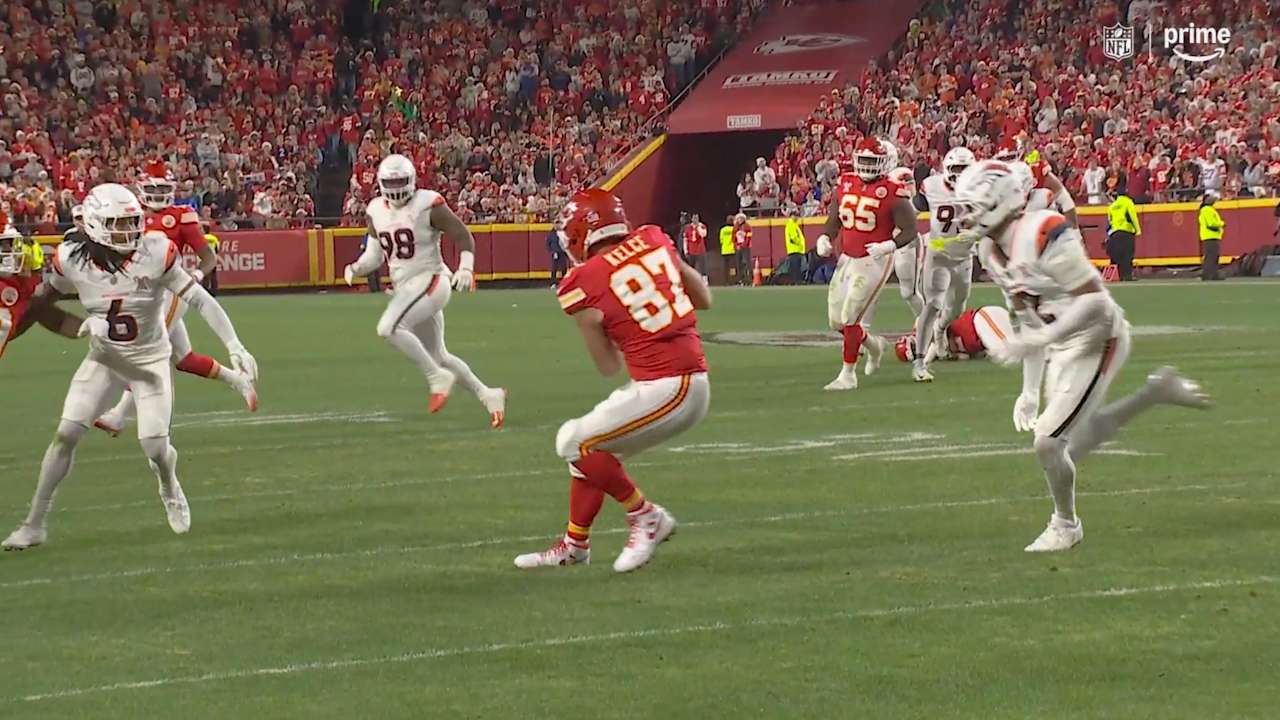
Next up in our timeline of existential dread: Travis Kelce’s First Reception Yields 11 Yards vs. Denver Broncos. Eleven yards! A measly eleven yards for arguably the most dominant tight end of his generation, a player whose average depth of target should strike fear into the hearts of safeties and linebackers across the league, yet here we are, patting ourselves on the back for a gain that barely moves the chains past the first-down marker. This isn’t just an 11-yard gain; it’s confirmation that the safety blanket is wearing thin, that the opposing defenses have finally figured out the gravitational pull of Kelce and are suffocating him with coverage that turns potential 30-yard gains into short, contained routes. This reliance on the same old faces for minimal output is simply unsustainable, especially when the quarterback, Chris Oladokun, is forced to scramble just to find him.
Kansas City Chiefs quarterback Chris Oladokun scrambles to his right to find Kelce—that scrambling is the key visual component we need to dissect. It signifies a breakdown in pocket integrity and a failure of the primary reads. The protection is struggling, the routes are covered, and the only viable option is improvisation to hit the one player the entire league knows they will target when things go sideways. The moment you are relying on broken plays and the sheer willpower of an aging star to generate marginal gains, you are on borrowed time, and the interest rate is astronomical. This isn’t the innovative Chiefs offense we were promised; this is hot garbage packaged as grit. It’s disheartening.
The Slow Decline of the Super Star Engine
Every dynasty eventually succumbs to the merciless grind of time and salary cap constraints, and the most dangerous phase is when the stars become anchors rather than accelerators. Kelce is being used as a check-down mechanism because the offense cannot consistently generate vertical separation, and that usage is actively accelerating his decline by subjecting him to unnecessary hits after short receptions, chipping away at his physical longevity snap by agonizing snap. Are we to believe that eleven yards is sufficient return on investment for the defensive resources Kelce draws? Absolutely not. This trend, if it continues, will not only burn out the core stars prematurely but also prevent the development of auxiliary weapons who need those targets to step up and truly contribute to a complex, evolving NFL offense that adapts yearly, instead of relying on the same old well-worn blueprint that everyone now has memorized. They are painted into a corner.
Consider the broader historical precedent: the Patriots, during their later phases, suffered from this exact malady—they relied so heavily on Brady and their defense that the offensive skill positions withered away, leaving them vulnerable to younger, faster, more dynamic teams. The 11-yard Kelce play is the historical echo warning us: the team is slowing down, they are predictable, and they are dependent on miracles performed by guys who have already earned their gold jackets. The entire structure of the Chiefs organization seems to be whistling past the graveyard, pretending that yesterday’s blueprint will somehow magically defeat tomorrow’s innovation, a cognitive dissonance so profound it could only exist within the gilded cage of a fading champion. This stagnation is unforgivable.
The False Dawn of Brashard Smith: Distraction by Design
And finally, we arrive at the most cynical moment in this whole timeline of impending doom: Kansas City Chiefs running back Brashard Smith breaks a tackle on his way into the end zone vs. Denver Broncos. A touchdown! Hallelujah! The crowd roars, the analysts swoon, and everyone forgets the agonizing, sputtering struggle that preceded this isolated moment of individual brilliance. This is the oldest trick in the book: distract the masses with a shiny new toy. A single flash of competence from an unexpected source is meant to obscure the fact that the primary, multi-million dollar offensive weapons are generating output consistent with a mediocre expansion team. Brashard Smith catching a pass out of the backfield from the Chiefs quarterback and breaking a tackle on his way into the end zone—it’s a great play for him, no doubt, but it’s a terrifying indictment of the coaching staff’s reliance on one-off athletic feats to compensate for systemic schematic failures.
This play is a classic example of what I call the ‘Band-Aid TD.’ It looks good, it stops the immediate bleeding, but it does absolutely nothing to address the arterial wound caused by the lack of consistent offensive identity and the inability to generate continuous, sustained pressure through diverse play-calling. Smith had to *break a tackle* to score a touchdown off a pass out of the backfield. Why was he put in a position where he needed individual heroics to reach the end zone? Because the play design failed him. The blocking scheme was suspect, the defense was well-positioned, and only Smith’s sheer determination and athleticism saved what should have been a much harder-fought series of downs. They got lucky.
The Inevitable Crash: Running on Fumes and Flash
We need to stop evaluating the Chiefs based on their historical dominance and start looking at them through the cold, harsh lens of current, specific performance indicators, and those indicators scream ‘imminent collapse.’ When your most celebrated moments are a bare-minimum fourth-down conversion, a short-yardage scramble to an aging star, and a high-degree-of-difficulty, tackle-breaking touchdown from a tertiary player, you are riding the brakes on a steep downhill slope with only a rusty prayer for salvation. The fact that the highlight reel is composed of plays that highlight resistance rather than execution is frightening, suggesting that they are constantly fighting for every single yard against teams that should, frankly, be overwhelmed by their sheer firepower. Where is the domination?
What happens when the luck runs out? What happens when the opponent’s defensive coordinator decides to sell out entirely to stop the quick, check-down options, forcing the quarterback to hold the ball longer than he’s comfortable, exposing the faltering offensive line? The entire house of cards comes down. The reliance on individual effort (Smith’s broken tackle) and historical presence (Hunt, Kelce) signals a deep intellectual surrender by the coaching staff. They are not innovating; they are reminiscing. They are not building for the future; they are clinging to the past. The fall is coming, and it will be brutal, fast, and entirely predictable to anyone who was paying attention to these seemingly small, celebratory gains. The five-yard conversion wasn’t grit; it was a gasp for air, and the 11-yard gain was a whisper of what once was. Mark my words: the panic alarm is ringing, and nobody in Kansas City is picking up the phone to address the structural deficiencies that plague the current iteration of this rapidly dissolving championship contender, whose foundation is cracking under the weight of expectation and exhaustion. This entire timeline proves that the dynasty is cooked, done, toast. When teams start celebrating the bare minimum required to survive, they are already dead; they just haven’t fallen over yet, and watching them stumble through these pathetic highlights is like watching a slow-motion car wreck where you already know the tragic ending. Prepare for chaos.
The philosophical erosion of the team’s identity, trading spectacular, effortless dominance for gritty, ugly, minimum-requirement success, is the single most damning piece of evidence available. When the hallmark of your offense is struggling for 5 yards, what does that say about the 95 yards left to travel? It means you have 19 more struggles ahead of you. The entire league has caught up, and the Chiefs, content in their historical glory, failed to evolve, resulting in an offense that is now reactive rather than proactive. The consequences of this arrogance will be catastrophic, turning this proud franchise into a cautionary tale of how quickly success can breed the fatal disease of complacency, a disease far more dangerous than any injury or cap constraint. This timeline is simply a chronological catalog of their impending doom. It’s all over.