The Grand Holiday Illusion: Did Trump Really Give Us a Gift?
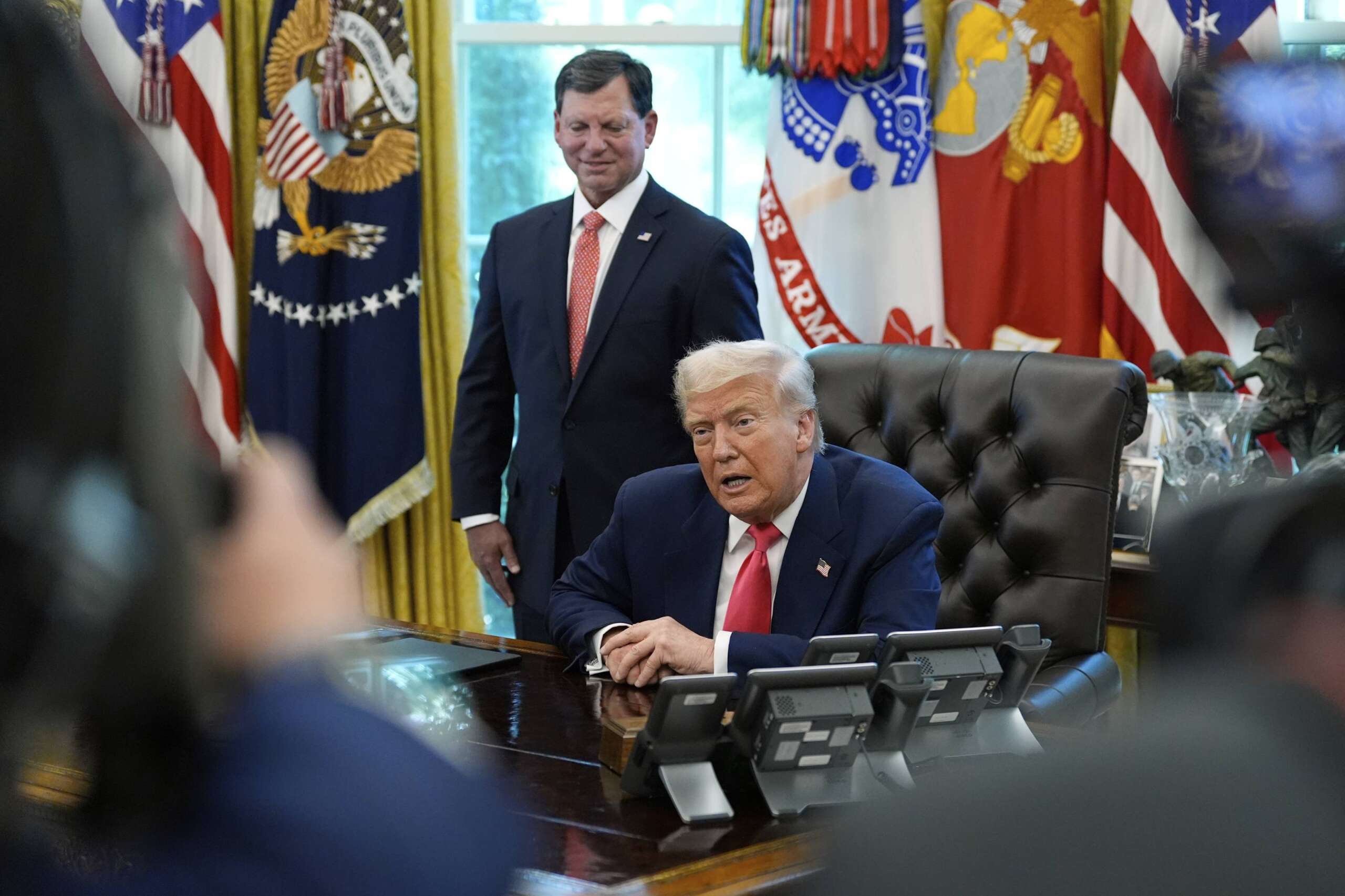
So, the big story hitting the wires is that Trump, in his infinite wisdom, apparently decided that Christmas Eve should be a national holiday for federal employees. Sounds nice, right? Like a little early Christmas cheer from the Commander-in-Chief. But let’s not get bogged down in the tinsel and twinkling lights here. This isn’t about generosity; it’s about political theater. Did he actually *give* anything, or did he just rearrange the deck chairs on the Titanic of federal bureaucracy? And more importantly, what does this little ‘gift’ mean for the rest of us, the everyday citizens who are left scrambling while Uncle Sam takes an extended holiday nap?
The Emperor’s New Holiday: A Deep Dive into the Executive Order
Let’s peel back the layers of this so-called ‘early gift.’ President Trump, bless his heart, signed an executive order that effectively handed hundreds of thousands of government employees a five-day weekend. Five days! Think about that. While you’re wrestling with Black Friday crowds, stressing about holiday shopping, and trying to cram in a few extra hours at your own job, a significant chunk of the federal workforce is kicking back. Is this what leadership looks like? Or is it just another example of a leader rewarding his base, the very people who are already on the government payroll? The language used is always so… *generous*. ‘Effectively grants.’ It sounds like a present, doesn’t it? Like he’s Santa Claus himself, sliding down the chimney of the Oval Office with a sack full of free time. But the reality is far less festive. This is about optics. This is about appearing magnanimous, about throwing a bone to a specific constituency. And who foots the bill? We do. Every single taxpayer. Every single person who expects the gears of government to keep turning, even when there’s a holiday.
USPS on Christmas? The Real Question Nobody’s Asking
And then we get to the nitty-gritty: Does the USPS deliver on Christmas? The answer, for anyone who isn’t living under a rock or completely disconnected from reality, is a resounding NO. Christmas Day is a federal holiday. Period. So why are we even asking? The real question should be, what services are *actually* impacted when these ‘extra holidays’ are declared? It’s not just about whether you can mail a letter. It’s about whether your Social Security check will be delayed. It’s about whether the IRS is going to be open to answer your panicked questions about tax deadlines. The news reports trot out the fact that Social Security and the IRS *will* stay open. Oh, how generous of them! They’re keeping the lights on for the essential services, aren’t they? But what does that *really* mean? It means that while most federal employees get a bonus holiday, a select few are still expected to show up. It’s a tiered system, isn’t it? Some get to celebrate, others have to work. This isn’t about a unified national holiday spirit; it’s about selective perks and managing appearances. It’s a carefully crafted narrative designed to make the administration look good, while the underlying mechanics of government are being tinkered with in ways that most people don’t even notice until it’s too late.
The ‘Extra Holiday’ Shuffle: History and Hypocrisy
This isn’t exactly new territory for presidents. There have been instances in the past where administrations have granted federal employees extra time off around holidays. It’s a tradition, of sorts, a way to boost morale and perhaps appease the massive federal workforce. But the timing and the scale of such gestures always matter. Are these holidays truly earned? Are they a reward for exceptional service, or are they a political bargaining chip? Consider the implications. When you grant an extra day off, you’re essentially telling a large portion of the nation’s workforce that their duties are less important than a holiday bonus. You’re creating a system where some citizens are served by government employees while others are not, purely based on the calendar. Is this equitable? Does it foster a sense of national unity or does it create resentment? And let’s be honest, the ‘most federal employees’ caveat is doing a lot of heavy lifting in these reports. Who are these employees? Are they the ones who process your passport applications? The ones who manage our national parks? Or are they the folks in Washington D.C. who are less directly involved in day-to-day public service delivery? The devil, as always, is in the details, and those details are conveniently glossed over in the rush to declare a ‘win’ for the administration.
Christmas Eve 2025: What’s REALLY Open and Closed?
The question of what’s open and closed on Christmas Eve, especially in 2025 as these articles point to, is a perennial one. For consumers, it’s about last-minute shopping, grabbing a bite, maybe catching a movie. For businesses, it’s a calculation of profit versus inconvenience. But for the federal government, it becomes a political statement. When Trump declares Christmas Eve a holiday for federal workers, he’s not just giving them a day off. He’s setting a precedent. He’s signaling what his administration values. And what he seems to value is rewarding his constituents, even if it means disrupting the usual flow of government services. It’s a calculated move. It’s designed to generate headlines like the ones we’re seeing: ‘Trump Grants Holiday.’ It’s a soundbite. It’s a photo op. It’s not about the actual impact on the vast, complex machinery of government. We’re led to believe that crucial services will somehow soldier on. Social Security, the IRS – they’ll be *there*. But how many offices will be fully staffed? How many people will be working remotely? How many calls will go unanswered because the person who *could* help is enjoying their Trump-granted holiday? This isn’t about being Grinch-like; it’s about demanding transparency and accountability. When the government takes a holiday, who picks up the slack? And at what cost?
The Ripple Effect: Beyond the Beltway Bubble
This isn’t just an issue for federal employees and their families. This has a ripple effect. Think about the small businesses that rely on government contracts or services. Think about the citizens who need to interact with government agencies for permits, licenses, or benefits. A federal holiday, even one that seems minor, can throw a wrench into the works. Imagine you’re a small business owner trying to get a permit approved before a critical deadline. The government office responsible is closed because the President decided it was a good idea to give everyone an extra day off. What do you do? You wait. You lose time. You lose money. And all because of a political gesture. Is that fair? Does that help the economy, or does it hinder it? And what about the perception of government itself? When the government takes extended breaks, it reinforces the idea that it’s an inefficient, slow-moving entity that operates on its own schedule, not on the needs of the people it’s supposed to serve. This ‘gift’ of a holiday isn’t a gift to the nation; it’s a demonstration of power, a way to control the narrative and reward loyalty.
The Future of Federal Holidays: A Slippery Slope?
Where does this end? If presidents can simply declare holidays via executive order, what’s to stop them from doing it every year? What’s to stop them from creating an ever-expanding list of ‘bonus’ holidays for their favored groups? This sets a dangerous precedent. It politicizes the very concept of holidays and government operations. Instead of focusing on genuine improvements to public service, on making government more efficient and responsive, we’re getting distractions. We’re getting pronouncements about holidays. This distracts from the real issues: national debt, healthcare, infrastructure, foreign policy. These are the things that affect every single one of us. But it’s much easier to declare a holiday than it is to solve complex problems, isn’t it? And let’s not forget the VA. The article mentions the VA looking to get its EHR rollout back on track and embarking on healthcare reorganization. Does granting federal employees extra holidays help the VA achieve these critical goals? Or does it further complicate an already challenging situation? It’s another layer of bureaucracy, another potential delay, another reason why our veterans might not get the care they deserve, on time. It’s a classic case of one hand giving a perk while the other hand potentially drops the ball. The entire situation stinks of political opportunism. It’s a move designed to generate positive headlines for the administration, to make the President look like a benevolent figure handing out gifts. But the reality is far more complex and, frankly, more cynical. It’s about rewarding a specific bloc of voters, about playing to the cameras, and about ultimately, deflecting from the actual work that needs to be done. So, no, this wasn’t a gift. It was a transaction. And like most transactions in politics, it’s worth asking who *really* benefited, and who ended up paying the price. The answer, as usual, is probably not the people who actually need government services the most.