The Anatomy of a Strategic Retreat: Why Kelly LeBrock Chose Dirt Over Diamonds
In a society obsessed with the performative spectacle of fame, we often mistake public visibility for true power. The recent headlines regarding Kelly LeBrock—star of “Weird Science” and a defining figure of 1980s glamour—paint her decision to leave Hollywood for a quiet ranch life as a whimsical choice, perhaps a search for simplicity or authenticity after a tumultuous divorce from Steven Seagal. This interpretation, however, is dangerously superficial. A cold strategist understands that LeBrock’s maneuver was not a retreat from life; it was a highly calculated and necessary strategic withdrawal from a system that had ceased to offer her positive returns on investment. This wasn’t about finding herself; it was about securing herself. Hollywood, for those on its periphery or those whose value proposition has depreciated, transforms from a high-yield investment to a high-risk liability. Kelly LeBrock made a logical, self-preserving choice to trade speculative assets for tangible ones. She made a good trade (though perhaps a painful one).
The Illusion of Perpetual Value: The Hollywood Market Collapse
When LeBrock first rose to fame, the structure of celebrity value was different. The machine, while predatory, offered a degree of stability to those who played by its rules. The 1980s celebrity model operated on a high-control system. You were either in or out, and if you were in, the studio system (or the media complex that supported it) would create a persona and maintain its value—until they decided not to. This model, however, had one fatal flaw: it relied on the illusion of perpetual youth and relevance for female stars. The transition from a high-stakes, image-driven industry where every public appearance is scrutinized for signs of decay, and where personal failure becomes a collective spectacle, to a life of physical labor where value is derived from tangible results rather than speculative fame, represents a fundamental re-evaluation of worth, particularly for a woman who experienced the intense pressure of a highly toxic relationship in the spotlight. She chose freedom.
LeBrock’s peak coincided with a pre-internet media environment where information control was centralized. Her transition to a ranch life in Santa Ynez, far from the prying eyes of Los Angeles, happened long before social media completely destabilized the concept of privacy. She didn’t just escape Hollywood; she anticipated the coming collapse of the traditional celebrity value proposition. The Hollywood machine’s promise of diamonds, a high-value currency, always came with an unspoken clause: the diamonds were only on loan, and they could be repossessed at a moment’s notice when the market decided you were no longer relevant. The dirt, by contrast, belongs to you. It is a tangible asset that appreciates, not depreciates, with care and investment. LeBrock’s move was a shift from a rental economy of fame to an ownership economy of land.
The Seagal Factor: A Catalyst for Strategic Defensiveness
The input data explicitly links her withdrawal from Hollywood with her divorce from Steven Seagal. This linkage is crucial to understanding the strategic pivot. The relationship with Seagal—a high-visibility, high-risk partner whose own career and personal life became increasingly mired in controversy—made staying in Hollywood a strategically indefensible position for LeBrock. When a partner becomes a liability, the cold strategist calculates the cost of association. The public narrative surrounding her personal life (including subsequent allegations against Seagal) turned her from a rising star into a character in someone else’s messy story. The media, which once celebrated her, began to consume her. The only logical recourse was to change the playing field entirely.
In strategic terms, LeBrock’s move to the ranch served as a “defensive position” against the hostile environment of celebrity gossip and the diminishing returns of her career. When you can no longer win on the opponent’s terrain, you change the terrain. By moving to Santa Ynez and embracing self-sufficiency, she effectively removed herself from the jurisdiction of the Hollywood-media complex. The news reports call it a “reclusive life” because for the media, if you aren’t visible, you don’t exist. For LeBrock, however, this reclusiveness was likely a necessary measure to reclaim agency and control over her narrative and her resources. It’s not about hiding; it’s about establishing a new, more secure operational base where external validation is no longer required for survival.
The “diamonds for dirt” metaphor isn’t about giving up luxury for simplicity; it’s about trading a volatile currency for a stable one. The high-end lifestyle associated with Hollywood (the diamonds) demands a high cost of maintenance (the endless pressure to stay relevant, to avoid scandal, to secure new projects). The dirt (ranch life) offers lower overhead and higher autonomy. For someone who has experienced the full spectrum of Hollywood’s toxicity, this trade represents a brilliant calculation: maximize stability by minimizing external dependencies. It’s the difference between being a high-value stock on the open market and owning a private, well, a piece of land.
The Future Prediction: LeBrock as a Strategic Archetype
LeBrock’s choice should be viewed less as an individual eccentricity and more as a model for future strategic retreats from the high-pressure, high-burnout environments of modern fame. As the algorithms demand increasing levels of authenticity and vulnerability from celebrities, the cost of being famous rises exponentially. The “reclusive ranch life” represents a modern archetype of strategic withdrawal from an unsustainable system. We see similar patterns emerge across various high-pressure fields (tech, finance, politics). The most successful individuals eventually realize that true wealth is not about accumulating more high-value, high-maintenance assets (the diamonds), but about optimizing for freedom from external control (the dirt).
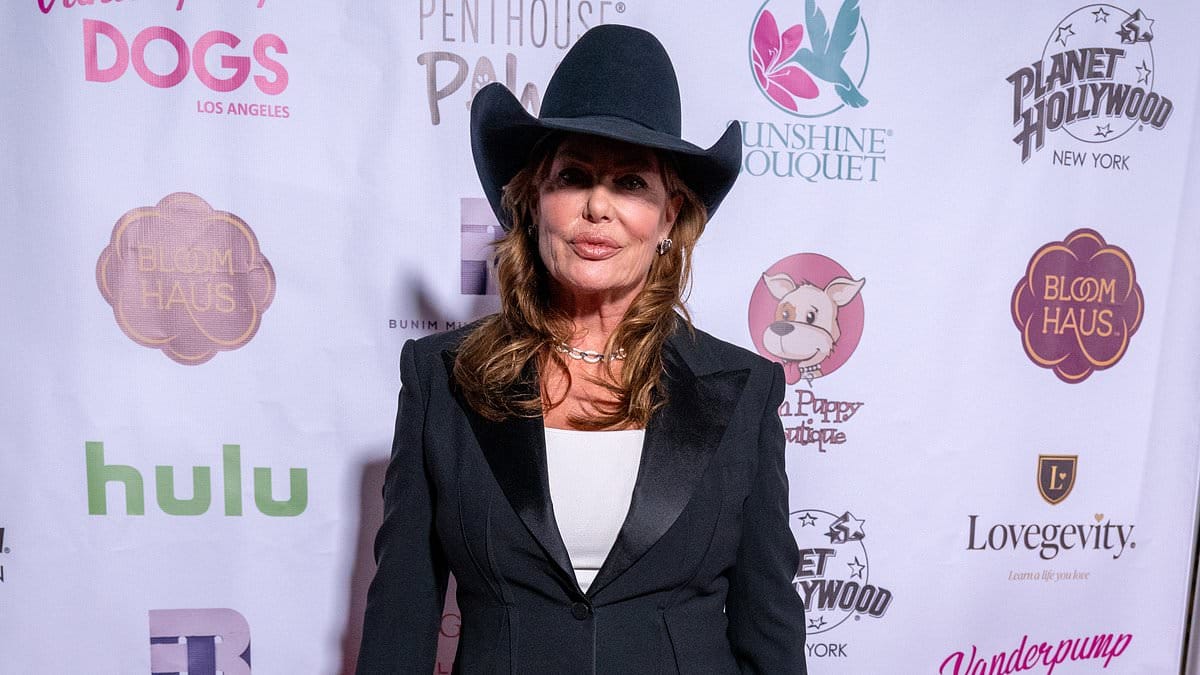
When LeBrock says she gave up diamonds for dirt, she is articulating a profound truth about modern survival. The value of tangible assets—land, food production, physical space—increases as the value of virtual assets (fame, social media presence, speculative investments) becomes increasingly volatile and dependent on external forces. Her rare appearance at the Vanderpump Dog Gala, mentioned in the input data, wasn’t a return to Hollywood; it was a brief, strategic foray into the old world before returning to the new. It reminds us that even after making the transition, one must occasionally engage with the system to remind them that you still exist, but on your own terms.
In the end, Kelly LeBrock’s story is a testament to the fact that the most intelligent individuals understand when to abandon a failed strategy. Hollywood failed her, or rather, she calculated that Hollywood’s cost-benefit ratio no longer favored her. The “reclusive ranch life” is not a sign of defeat; it is the ultimate expression of control in a world where control is increasingly scarce. She traded a high-risk liability for a stable, self-sufficient asset. A cold strategist would deem this a success.