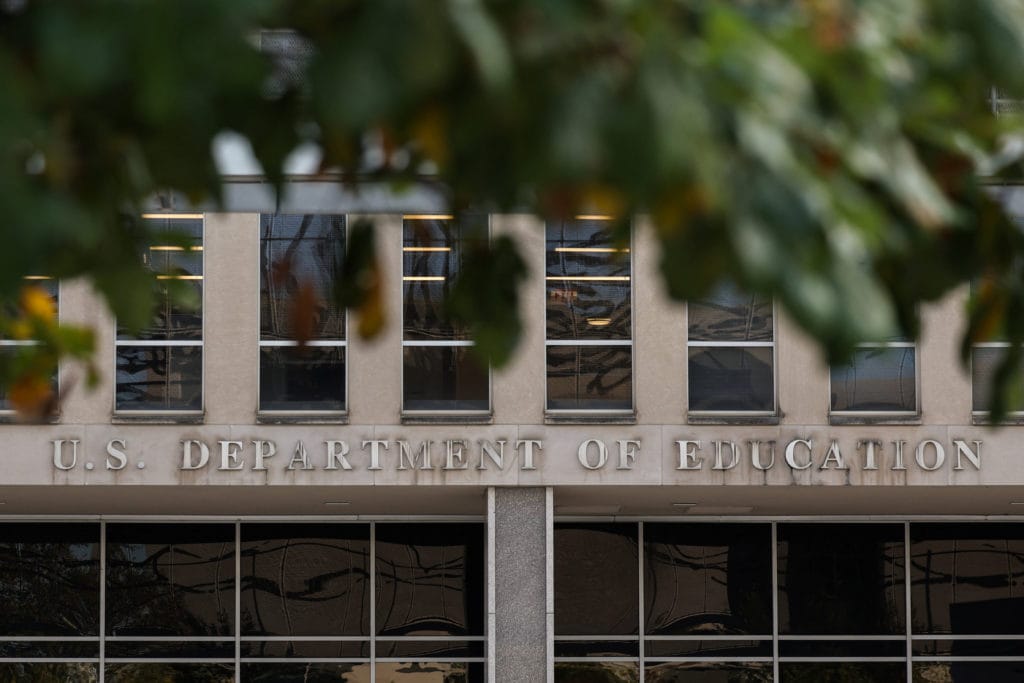
The Digital Squeeze: Trump’s Debt Collection Gambit
Well, here we are, folks, staring down the barrel of another January, but this one isn’t just about New Year’s resolutions and hangovers; it’s about the Trump administration deciding it’s high time to reach directly into the pockets of student loan borrowers, unleashing the digital hounds of debt collection to garnish wages. It’s a move so audacious, so utterly devoid of empathy for the millions struggling under the weight of an education system designed to make you a debtor before you even get a diploma, that it almost feels like a bad dystopian novel playing out in real-time, especially when you consider how technology (that supposed liberator) is now being weaponized to make this whole sordid affair run like a well-oiled, soul-crushing machine.
This isn’t just some administrative tweak; oh no, this is the brass knuckles approach, a stark reminder that when the government (any government, but particularly one with a track record of gleefully punching down) decides it wants its pound of flesh, it will use every available tool, even the shiny, efficient ones we were once promised would make our lives better, to get it. They’re not just collecting; they’re sending a chilling message to anyone who dared to dream of a better life through higher education: pay up, or we’ll take it directly, no questions asked, no excuses entertained, and the algorithms will ensure no one slips through the cracks (a truly terrifying thought, isn’t it?).
The Myth of Fiscal Responsibility vs. The Reality of Digital Overreach
Let’s not kid ourselves here, shall we? The official line will be something about fiscal responsibility, about upholding agreements, about ensuring fairness for taxpayers—blah, blah, blah—the same old song and dance we’ve heard countless times when powerful institutions decide it’s time to grind down the individual. But what it really boils down to, from where I’m sitting, is a chilling expansion of state power, facilitated and made terrifyingly efficient by the very technology we once hoped would decentralize power and give us more agency (what a joke, right?). They’re not just going after your wages; they’re putting a foot in the door of your digital financial life, and once that door is ajar, who knows what else they’ll decide they’re entitled to peek at, or even control, under the guise of ‘collection’ or ‘enforcement’ (because those lines, it seems, are getting blurrier by the minute).
The contrast here is stark, isn’t it? On one hand, you have the shimmering promise of technological advancement, a future where data helps us optimize, streamline, and innovate, supposedly for the betterment of society; on the other, you have the grim reality of that very same tech being deployed as a hyper-efficient cudgel against citizens already struggling, making debt collection a seamless, almost automated process devoid of human discretion or compassion. It’s the digital panopticon applied to personal finance, where your overdue payments are just another data point for algorithms to flag, turning what should be a complex human issue into a simple matter of automated ledger balancing, ignoring the real-world implications of pulling the rug out from under families already on the precipice. This isn’t progress. This is predatory.
A Historical Lens: How We Got Hooked, Digitally Chained
To truly grasp the venom in this move, we need to rewind a bit, don’t we? The student loan crisis didn’t just appear overnight; it’s been decades in the making, a slow, insidious creep where the cost of education skyrocketed, public funding withered, and the only viable path for millions was to sign away their futures with loans that often can’t be discharged in bankruptcy (unlike credit card debt, go figure). We were told education was the key to opportunity, the golden ticket to the American dream, a necessary investment in ourselves and the nation’s future, but what it morphed into was a gilded cage, a debt trap expertly constructed over years, with each generation sinking deeper into the mire. The government, once a guarantor and supporter of accessible education, became a lender and, now, an aggressive collector, shifting from a benevolent partner to something far more menacing, especially when you consider the Trump administration’s overall posture towards social safety nets and individual financial struggles.
The historical irony is palpable: we lauded the digital age for its potential to empower, to democratize information, to create a level playing field, yet here we are, watching that same digital infrastructure being leveraged to centralize control, making it easier for the government to track, trace, and take. The evolution of debt collection parallels the evolution of digital surveillance; what started as paper letters and phone calls has morphed into automated systems that can identify your employer, calculate your disposable income, and initiate garnishment orders with minimal human intervention. It’s incredibly efficient. It’s also incredibly terrifying. It sets a precedent that could very well extend beyond student loans, paving the way for further encroachment into citizens’ financial autonomy, all in the name of efficiency and ‘getting what’s owed’ (as if the current system doesn’t already owe students a better shake).
The Echoes of Financial Hardship: Beyond the Numbers
When the Education Department (under the Trump administration’s directive, of course) calmly announces that notices will be sent out and wages garnished, they’re talking about real people, not just abstract figures on a spreadsheet. We’re talking about single parents trying to make ends meet, young professionals buried under a mountain of principal and interest, folks who lost jobs, faced medical emergencies, or simply can’t find work that pays enough to cover the staggering monthly payments while also affording rent, groceries, and childcare. Garnishments, plain and simple, rub salt in an already gaping wound, pushing people further into financial precarity, leading to missed rent payments, utility cutoffs, and an even greater reliance on predatory lending just to survive (it’s a vicious cycle that makes those high-minded talks of ‘personal responsibility’ sound hollow, doesn’t it?).
And what about the broader economic ripple effects? When millions of people suddenly have a significant chunk of their income siphoned off, that money isn’t being spent in local businesses, it’s not contributing to consumer demand, it’s not stimulating growth. Instead, it’s being redirected to the federal coffers, often just barely scratching the surface of the principal balance while interest continues to accrue, creating a kind of economic stagnation that hurts everyone in the long run, not just the indebted. It’s shortsighted, punitive policy masquerading as sound financial management, ignoring the complex interplay of individual well-being and national economic health, all too often driven by a punitive mindset that views debt as a moral failing rather than a systemic consequence. This isn’t just about recovering funds; it’s about altering the landscape of economic freedom for a generation.
The Tech Skeptic’s Nightmare: Algorithms of Enforcement
My biggest beef, as a proud tech skeptic, isn’t just with the garnishment itself (though that’s bad enough), but with the way technology empowers and accelerates this kind of government overreach. Think about it: once upon a time, chasing down defaulted debtors was a labor-intensive, often inefficient process. Now, with sophisticated databases, interconnected financial systems, and algorithms that can track your employment, your earnings, and even predict your financial behavior, it becomes terrifyingly simple to implement mass garnishments. This isn’t just about sending a few letters; it’s about a highly automated, data-driven enforcement mechanism that minimizes human contact (and thus, human empathy) and maximizes efficiency for the collector, all while the person on the receiving end feels utterly helpless against the impersonal might of the system. We traded privacy for convenience, and now we’re paying the price, literally.
The idea that an algorithm, devoid of any understanding of individual circumstances (a medical crisis, a job loss, a family emergency), can trigger a process that strips someone of their livelihood is deeply disturbing, raising profound ethical questions about the role of technology in governance and social justice. We’re hurtling towards a future where human discretion is increasingly sidelined in favor of automated rules, where ‘default’ is a binary state interpreted by a computer, and the consequences are felt in very real, very human terms. This is the slippery slope, where the ease of digital enforcement can lead to increasingly aggressive and less nuanced applications of power, turning citizens into mere data points in a government-run debt collection apparatus (and trust me, that’s not the future anyone actually wants, no matter what they tell you).
Future Shocks: The Digital Debtor’s Prison
So, what’s next? If we allow this kind of digital debt collection to become the norm, we’re opening Pandora’s box, aren’t we? It’s not a huge leap to imagine a future where the government (or any powerful entity, for that matter) uses its technological prowess to exert even greater control over our financial lives, going beyond just garnishing wages. Perhaps they’ll seize tax refunds, or restrict access to certain services, or even (and this is where my tech skeptic alarm bells really start screaming) link it to other aspects of our digital identity, creating a de facto digital debtor’s prison where your financial history dictates your access to everything from housing to healthcare. It might sound like science fiction, but history is littered with examples of incremental steps leading to truly oppressive systems, especially when technology provides the means to implement them with unprecedented efficiency and scale. We often forget that technology is a tool, and like any tool, it can be used for construction or destruction, for liberation or control, and in this case, it feels an awful lot like the latter.
This whole situation is a wake-up call, a stark reminder that while we’re busy marveling at the latest smartphone or social media trend, the machinery of state control (now supercharged by digital capabilities) is quietly, efficiently, extending its reach into the most intimate corners of our lives. It’s not just about student loans; it’s about the very nature of financial autonomy in a hyper-connected, data-driven world, and whether we, as citizens, are willing to stand by and watch as more and more of our economic freedom is chipped away, all because some algorithm decided it was ‘fair’ or ‘efficient’ to do so. This isn’t some abstract policy debate; this is a foundational challenge to our individual liberty, and if we don’t push back now, we might find ourselves living in a future where the government’s digital tentacles are wrapped around every aspect of our financial existence, leaving us with precious little room to breathe. And trust me, that’s a future no amount of fancy tech can make palatable.