THE MANIFESTO AGAINST DIGITAL EXPLOITATION
The Shameless Theft of the Restored Content
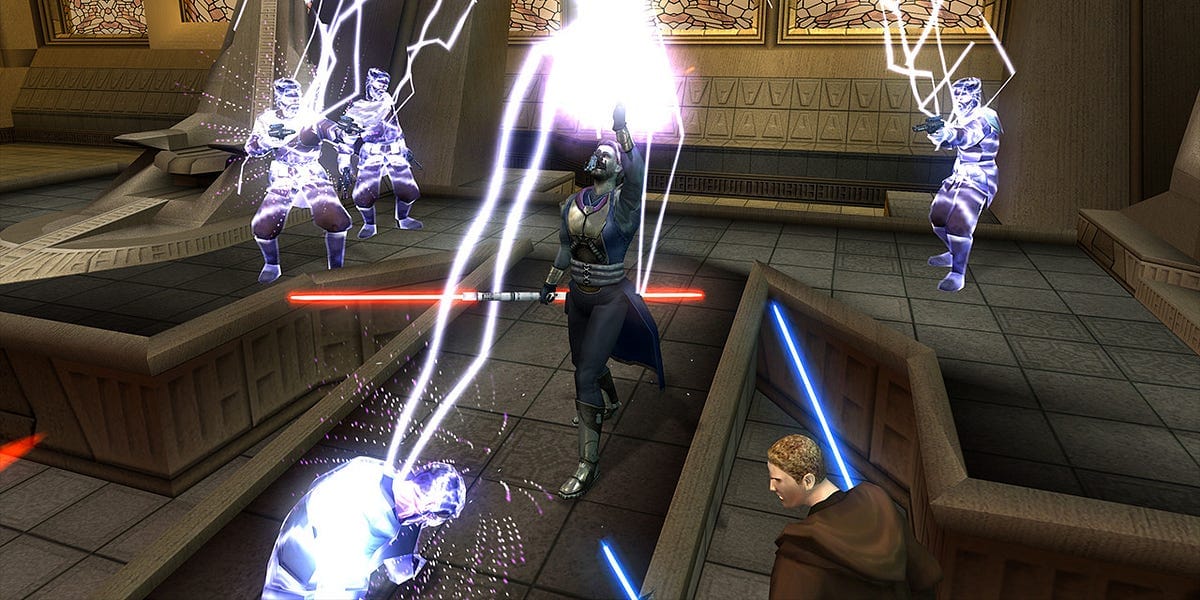
The core scandal here isn’t just false advertising; it’s the sheer, unadulterated audacity of treating the collective intellectual investment of an entire dedicated community as worthless collateral, which is precisely what transpired when Aspyr brazenly promised the Restored Content DLC for the Nintendo Switch version of Knights of the Old Republic II, a feature they apparently knew, deep down in the corporate hollows where morality goes to die, they couldn’t deliver without leaning heavily—if not entirely—upon the foundational, complex, and years-in-the-making modifications lovingly created by devoted fans, the very people whose boundless, selfless passion they systematically exploit while maximizing their own mercenary profit margins, thereby proving beyond any reasonable doubt that the AAA gaming industry treats its most loyal audience not as valued customers to be served, but as disposable, unpaid resources to be mined, squeezed dry, and discarded the second they fail to generate instantaneous, significant cash flow. Disgraceful.
This KOTOR II lawsuit, initiated by a single player who was justifiably furious over this bait-and-switch operation, is more than a trivial consumer complaint; it is a declaration of war against the modern corporate gaming machine that relies on an unsustainable model of perpetual crunch, outsourcing, and, most damningly, the wholesale pilfering of communal creativity, a system where the genuine love for an IP is weaponized against the creators themselves—the community modders. What they sold was essentially a promise to incorporate TSLRCM, the legendary fan-made ‘The Sith Lords Restored Content Mod,’ which fixes game-breaking bugs and reintegrates hours of missing narrative material, work that BioWare/Obsidian themselves couldn’t or wouldn’t complete before the original 2004 launch, creating a dependency on non-economic, community-driven fixes that the industry now seeks to formally monetize without acknowledging the original creators. The absolute nerve of these people, watching them argue that the very feature they advertised—the fan restoration—is simultaneously the product they promised *and* a product with ‘no economic value’ when they are forced to confront their failure in a court of law, is truly an infuriating spectacle of legal gymnastics designed solely to protect the bottom line from the consequences of bald-faced lies.
The sheer absurdity of the legal proceedings becomes crystal clear when one considers the testimony of the expert witness—a corporate gun for hire—who asserted that the fan-made content, the absolute cornerstone of the promised DLC that drove pre-orders and fueled the initial hype, had ‘no economic value’ simply because it was freely available upon its initial release, completely missing the crucial, fundamental point that economic value in the digital realm is inextricably tied to utility, integration, accessibility, and the undeniable fact that the corporation *chose* to leverage that exact fan content as the lynchpin for a *paid product* which they subsequently failed to deliver, thus retroactively cementing the mods’ inherent, measurable market worth through their own cynical, exploitative actions. Liars.
The Theater of Legal Distraction
We have a legal drama unfolding that perfectly encapsulates the chaotic, unjust nature of contemporary digital rights disputes, a space so abstract and bizarre that it allows for peripheral, surreal elements to bleed into the frame, like the completely unexpected appearance of Lil Wayne in some nearby, equally unusual legal fight—a ridiculous side show that only emphasizes how detached the entire judicial process is from the actual, tangible creative exploitation occurring in the KOTOR II case, where the real battle is over defining who owns the value generated by passion. It’s a smokescreen. The fact that the debate centers on the monetary value of *free* fan labor, rather than the deceptive practice of selling a product based on labor you did not pay for and cannot deliver, shows where the legal establishment’s priorities lie: protecting the corporate structure, not the consumer, and certainly not the independent creator.
If the industry successfully establishes the legal precedent that community-driven content, regardless of its technical complexity, time investment, or market desirability, possesses ‘no economic value’ merely because it was shared freely, then the entire foundation of independent modding, open source software, and collaborative digital creativity is placed directly under the corporate jackboot, allowing companies to perpetually scout creative communities, identify successful unpaid innovations, hoover them up, and integrate them into proprietary, paid releases with zero fear of financial recourse or compensation to the original engineers of that utility. The implications are terrifying. This isn’t just about a broken KOTOR port; it’s about formalizing a systemic exploitation model where the intellectual property of the individual is deemed worthless until a massive corporation slaps its logo on it, a move which instantly transforms the previously ‘worthless’ code into profitable, protected assets, effectively defining creation as worthless unless endorsed by capital. This is the definition of parasitic capitalism, turning communal gardens into private industrial farms.
The Union and the Corporate Counter-Measures
It’s no coincidence that this lawsuit happens while we witness burgeoning labor unrest across the industry, exemplified by news of one of Ubisoft’s Canadian studios successfully unionizing, a crucial, necessary step taken by developers tired of the constant cycle of crunch and abuse, recognizing that collective action is the only defense against the relentlessly extractive demands of publishers who view human talent as an infinitely renewable resource to be optimized through mandatory overtime and substandard wages. The connection is simple: corporate structures that exploit their internal, paid labor (crunch) are the very same structures that feel entitled to exploit external, unpaid labor (mods). They are two sides of the same poisonous coin.
The move to bring titles like Call of Duty to the Switch, often cited around the same time as these legal battles, must also be viewed through this lens of corporate maneuvering; these are not benevolent gestures of cross-platform accessibility, but strategic political chess moves, weak ports designed primarily to appease regulators scrutinizing massive mergers, ensuring monopolies are maintained while providing a veneer of competition and consumer choice, distracting us from the deeper rot exposed by the KOTOR II failure. The priorities are never quality or respect for the customer; they are market share and regulatory compliance, and if that means delivering a glitch-ridden port based on a stolen foundation and then fighting tooth and nail to avoid accountability for the lie, they will happily pay the legal fees. They simply do not care about the experience. The idea that a player should be grateful that a massive publisher finally attempted to deliver something they failed to deliver twenty years ago, and then still botched the implementation by relying on free labor they couldn’t integrate properly, is an insult to the intelligence of every person who has ever bought a digital game. They need a wake-up call, and this lawsuit is the siren.
This entire debacle serves as a harsh, necessary lesson to everyone in the digital ecosystem: never trust a corporate promise that relies on unpaid community ingenuity, because the moment that ingenuity becomes financially significant, the corporation will attempt to divorce the monetary value from the original, human labor that created it. The true ‘restored content’ here is not within the game, but the restored fighting spirit of the gamer community, which is finally ready to hold these behemoths accountable for their habitual deceit and endemic exploitation of digital passion. The legal system must recognize that creative effort, whether compensated or volunteered, maintains inherent economic value once it is utilized and sold by a third party, and failing to acknowledge this truth means legitimizing widespread digital theft across the board, guaranteeing that the corporate pirates will continue to sail merrily onward, looting fan projects until the entire ecosystem collapses under the weight of its own cynicism. Demand justice.
The Future is Paid, or the Future is Stolen
If this lawsuit fails to establish a strong line against false advertising based on unfulfilled promises of fan-derived content, we should expect a bleak future where publishers increasingly market ‘community integration’ features—vaguely defined promises based on existing free mods—as high-value DLC, only to delay, dilute, or outright abandon them, safe in the knowledge that they can fall back on the legal defense that the foundation of the promise was ‘without economic value.’ This is how the system corrupts, by turning generosity into vulnerability. We must recognize that the technical stability and cultural longevity of many beloved titles—from Skyrim to KOTOR II—are sustained almost entirely by modders and dedicated communities, yet these crucial contributors receive neither financial reward nor legal recognition when the publishers decide to re-monetize these titles. They deserve better than this calculated, institutionalized contempt.
The fight isn’t over a few missing lines of dialogue or some glitchy level geometry; it’s over the sovereignty of creative effort in the digital age. It’s about drawing a line in the sand and saying: you cannot advertise a five-star meal, show us the ingredients grown in our communal garden, and then serve us an empty plate while claiming the garden was never worth anything anyway. This KOTOR II lawsuit is a rallying cry for every single developer who has been crunched, every fan who has been lied to, and every modder whose work has been quietly integrated into a profit machine without acknowledgment.
The apathy that breeds death in the digital world is the silence when corporate lawyers redefine value. Don’t be silent. Fight back.