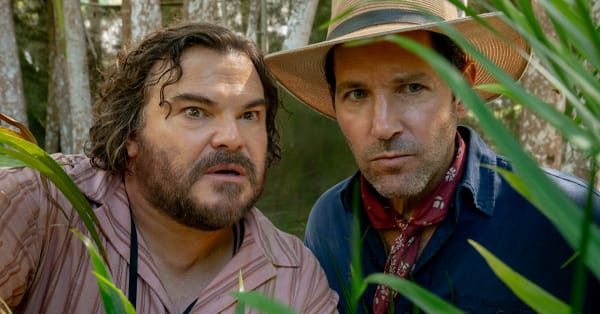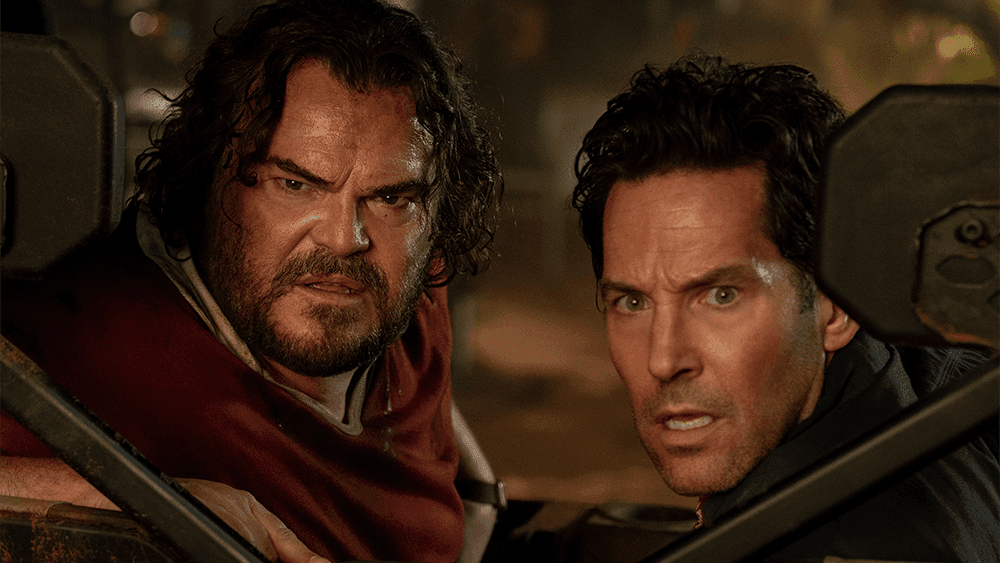
The Era of Irony: When Hollywood Eats Its Own Tail
Let’s just call this what it is: a sign of the apocalypse. Not the fire-and-brimstone kind, but the slow, agonizing, creatively stagnant end times for the Hollywood establishment, who have just proven definitively that they are absolutely terrified of giving us anything new, opting instead to dig up the shiniest, dumbest corpses from their 1990s graveyard and dress them up in expensive new clothes while forcing Jack Black and Paul Rudd to apologize for the whole rotten endeavor.
The fact that the first reviews for the Anaconda remake—a meta-comedy, if you can believe that tripe—are using words like “charming,” “buoyed by a likable cast,” and, worst of all, “high-concept cover version” should send a shiver down the spine of anyone who still believes cinema should offer something more challenging than a comfortable chuckle about how bad the source material was.
The Original Sin: 1997 and the Beast of Bad Taste
We have to travel back to 1997 to understand the scale of this insult. The original Anaconda wasn’t some lost masterpiece begging for reconsideration; it was, let’s be brutally honest, pure cinematic junk food, a creature feature so delightfully insipid that its primary cultural legacy is Jon Voight’s deeply unsettling villain performance and the fact that Jennifer Lopez had to face down a digital snake that looked like it was rendered on a Commodore 64. It was low-effort schlock, the kind of movie you watched ironically with friends long before ‘irony’ was a mandated studio budget line item. That movie had heart, but it was a B-movie heart, beating solely for jump scares and cheap thrills, never pretending it was anything more sophisticated than a wet, jungle-set monster mash.
But the powers that be, the geniuses in the corner offices who only see dollar signs when they look at dusty intellectual property, they saw not a bad movie, but an ‘opportunity.’ An opportunity to prove they are ‘in on the joke.’ Because that’s the trick they pull every single time they fail to greenlight an original script: they admit the source material stank, but they promise that THIS time, they’re doing it with a knowing wink, and somehow, that wink is supposed to absolve them of the sin of creative laziness. Are we really that dumb that we fall for the meta-bait every single time they throw it?
The original, bless its heart, was exactly what it was—a bad horror film, and the people who went to see it knew they were getting pure, unadulterated junk, devoid of the sophisticated, self-aware commentary that the modern, overly academic film industry loves to praise, which is precisely why the attempt to spin the new version as a high-concept deconstruction of its horror predecessor is the most insulting form of virtue signaling I’ve seen this decade. It’s shameless, frankly. It’s a total cop-out, a lazy studio trick meant to distract from the glaring lack of fresh ideas coming out of their expensive think tanks.
The Meta-Mouth Devours All: 2024’s Self-Aware Sickness
The new Anaconda is Hollywood’s official surrender. It’s the white flag fluttering over the battleground of originality. They couldn’t make a good straight-up horror film, they couldn’t make an innovative comedy, so what do they do? They make a comedy about how bad the original horror film was. They literally trade genuine horror for the easy payoff of meta-comedy. This isn’t brave filmmaking; this is institutional cowardice disguised as savvy commentary.
And let’s talk about the human shields. Paul Rudd and Jack Black. Two incredibly likable actors. The reviews universally laud them for ‘buoying’ a production that is otherwise described as a ‘missed opportunity.’ What does that tell you? It tells you the film itself is structurally compromised and reliant entirely on the goodwill of two famous faces to drag it across the finish line. We are rewarding charisma over creativity. We are celebrating the fact that two nice guys managed to salvage a sinking ship built entirely of recycled trash.
Anyone rightly suspicious of comedies that try to make sure they have plenty of “heart” will rightly get their hackles up during the opening section of Anaconda; which sheds the skin of its 1997 horror predecessor and attempts to replace genuine scares with warm, fuzzy feelings and inside jokes about the movie industry, thereby sanitizing the rough edges that made the original, terrible as it was, at least interesting for its sheer schlock value. They think slapping ‘heart’ on a project makes it meaningful, but when that ‘heart’ is just a calculated effort to manipulate your emotions and mask the fact that you’re watching a feature-length intellectual property utilization exercise, it feels cheaper than a three-dollar bill.
The Tricky Business of the Modern Remake
This isn’t just about snakes. This is about the total collapse of the high-concept studio system. They spend billions chasing nostalgia, believing that familiarity breeds content, instead of realizing that familiarity, when recycled ad nauseam, breeds contempt. Why are we paying top dollar to watch Hollywood poke fun at its own failures? Shouldn’t we demand they try, just once, to succeed on their own terms?
The critical praise, though tepid, focuses almost exclusively on the chemistry of the leads, not the plot or the concept. The content confirms the movie works as a Paul Rudd and Jack Black vehicle, not as a film. It’s an expensive TikTok skit stretched to two hours. This strategy isn’t new, but seeing it applied to a creature feature like Anaconda—a film that should be about primal fear and man versus nature—shows how utterly self-referential and navel-gazing the entire industry has become. Can they do nothing but joke about themselves?
Remember when sequels and remakes were meant to improve or expand on the source material? Now, they exist primarily to wink at the audience and say, “We know this is stupid, isn’t that funny?” No, it’s not funny. It’s tragic. It’s the sign of an industry that has lost its belief in the potential for original spectacle, choosing instead the comforting, profitable blanket of self-deprecating parody. The fact that this action-horror comedy is set to hit theaters this Christmas is just the final, depressing confirmation that the holiday season is now reserved for intellectual property clean-up operations, rather than genuine, joyous cinematic releases.
The Populist Prediction: The Future Is Self-Referential Hell
Where do we go from here? If Anaconda, a notoriously insipid creature feature, is deemed worthy of a meta-commentary comedy starring two of the most bankable comedy guys, what IP is safe? Are we going to get a post-modern, existential drama about the making of Waterworld? A Battlefield Earth remake where the actors openly discuss how bad L. Ron Hubbard’s writing was during the climax? The well is dry, folks, and Hollywood is digging deeper into the septic tank.
The audience, you see, for decades, has been sold glossy garbage wrapped in a bow, and now, when the engine stalls out completely—because no one truly needed a post-ironic, self-aware redo of a D-tier creature flick famous only for Jon Voight’s terrible accent and J-Lo’s early career foray into jungle peril—they sprinkle in that dreaded ingredient, ‘heart,’ expecting us all to swallow the narrative that this is somehow meaningful artistic commentary rather than just a desperate cash grab from the dusty intellectual property shelf. It’s shameless, frankly. It’s just noise. The studio system comes closer than ever to devouring its own tail, and we, the paying audience, are expected to cheer on the self-cannibalization as a form of clever performance art.
We’re talking about an entire economic model built on the foundational idea that the cheapest risk is recycling the familiar, and if that familiar product was bad the first time, well, just hire a charismatic duo and tell the critics that the film is smart enough to know it’s bad, thereby preemptively neutralizing any actual substantive criticism that this whole exercise is artistically bankrupt, financially motivated corporate redundancy. This strategy isn’t just killing creativity; it’s training the next generation of moviegoers to accept irony as a substitute for quality, setting us on a path where everything is a comment on something else, and nothing stands alone. What a grim future for the silver screen! I say, save your money, go watch the original 1997 version, enjoy its legitimate badness, and skip this over-produced, over-the-hill piece of self-congratulatory studio drivel.