The Digital Sickness: When Streaming Spectacle Becomes Real-World Tragedy
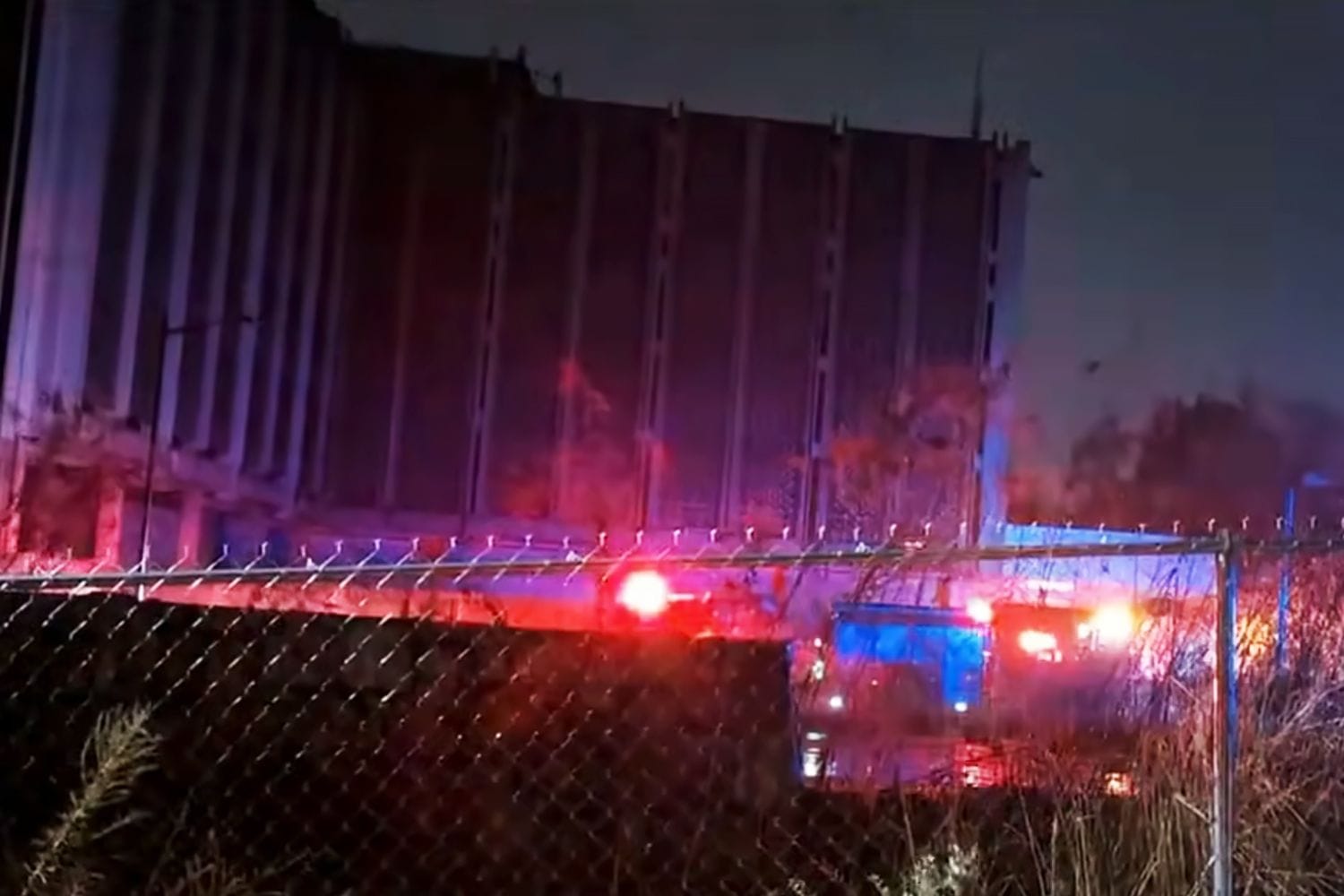
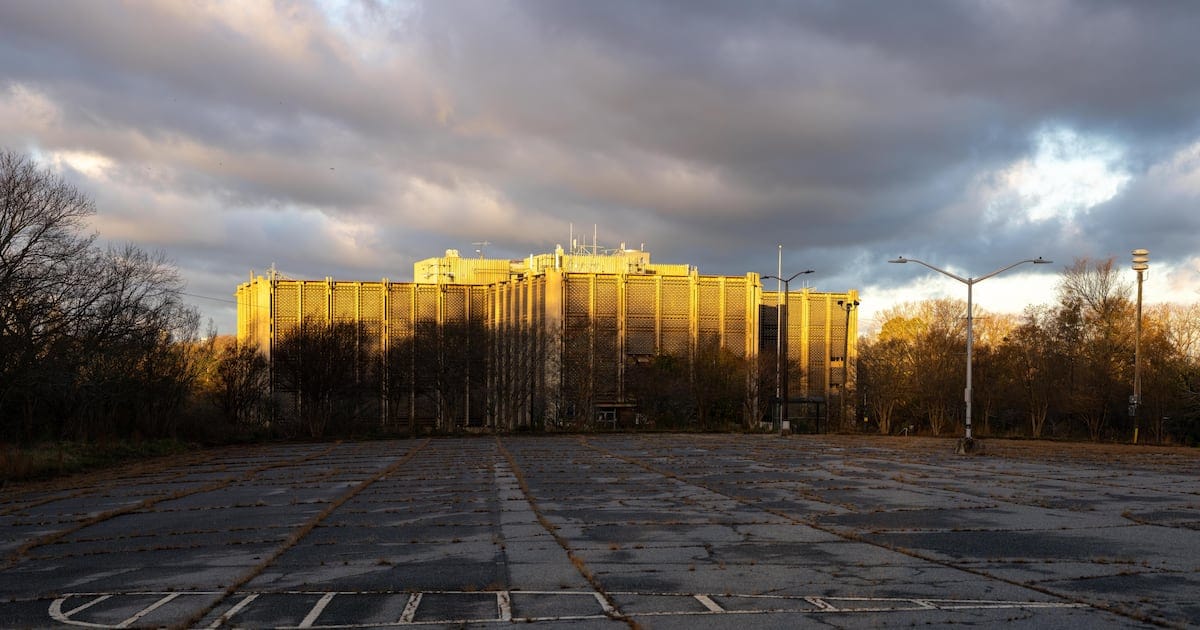
It’s the headline everyone sees and immediately categorizes as a simple tragedy: “Woman dies after fall from Emory University building featured in ‘Stranger Things’.” A 19-year-old young woman, a life cut short in a tragic accident. The narrative is simple: a dangerous location, an unfortunate misstep. But that’s only half the story, and frankly, it’s the lazy take. The real story isn’t about the building; it’s about the digital ecosystem that turned a derelict property into a pilgrimage site, and ultimately, a tomb for a generation hell-bent on turning their lives into content.
What we’re witnessing is the inevitable consequence of a culture that blurs the line between reality and algorithmically driven spectacle, a phenomenon where the pursuit of validation on social media creates a feedback loop of increasingly dangerous behavior. This isn’t just a coincidence; this is the predictable result of technology’s insatiable hunger for engagement, a sickness that demands real-world sacrifices for virtual rewards. When every experience is filtered through the lens of potential content, the value of life itself starts to depreciate against the currency of ‘likes’ and ‘shares’. The incident at the ‘Stranger Things’ location isn’t an isolated accident; it’s a symptom of a much deeper cultural malady, one that technology created and continues to feed.
Q: Why is this ‘Stranger Things’ incident more than just a typical accident?
A: Because it perfectly encapsulates the new reality for young people in the digital age. It’s not enough to simply watch a show like ‘Stranger Things’; the algorithm demands participation. It demands that you visit the locations, dress up like the characters, and recreate the scenes, all to prove your dedication to a virtual community. This phenomenon, which I call the ‘Digital Pilgrimage’, is where fans feel compelled to visit the physical locations of their favorite media, often without regard for personal safety. The irony here is thick: a show about a group of kids facing supernatural dangers in a fictional world inspires real-world danger for its fans. We have fundamentally changed how we engage with art. It’s no longer about passive consumption; it’s about active, often reckless, participation. This particular building, featured heavily in the series, became a symbol of a digital fantasy. For a generation that grew up with social media as their primary form of communication, the desire to stand in the exact spot where their heroes stood, to capture that perfect, viral-ready photo, outweighs the very real dangers of trespassing on an abandoned, dilapidated structure. The very concept of ‘abandoned’ holds a different meaning for content creators; it’s not a warning sign, it’s an opportunity for a unique shot. This isn’t just about ‘Stranger Things’; it’s about every piece of media that becomes a cult phenomenon, from ‘Squid Game’ to ‘Breaking Bad’.
Q: How did social media create this kind of risk-taking behavior in the first place?
A: Social media platforms are fundamentally built on a system of positive reinforcement—the dopamine hit from a ‘like’ or a comment. This creates a powerful incentive structure where risk-taking is often rewarded. Think about it: a mundane, safe photo gets a few likes. A dangerous, boundary-pushing stunt—like climbing a treacherous, unstable building—can go viral. The platform’s algorithm, designed to maximize engagement, will invariably favor the sensational over the sensible. It’s a race to the bottom where the most extreme and dangerous content gets the most visibility. This phenomenon isn’t new; we used to call it ‘clout chasing’. But with every platform striving to be the next TikTok, the incentives have intensified dramatically. Young people are conditioned to see every moment of their lives as potential content, and danger is often viewed as a shortcut to popularity. The risk-reward ratio is completely skewed in favor of the virtual reward. A young person might think, ‘A potential fall is bad, but a thousand likes on this post is really good.’ The immediacy and perceived value of the virtual validation often override the long-term, physical risks.
Q: Isn’t this just natural human behavior—teenagers have always done stupid things?
A: That’s a classic cop-out, a way for us to absolve ourselves of responsibility for creating this technological monster. Yes, teenagers have always taken risks. But the *scale* and *nature* of the risk-taking have fundamentally changed. In previous generations, a teenager might climb a water tower in their town as a local dare, witnessed by maybe five friends. The risk was contained, the audience small, and the motivation was local bragging rights. Today, a teenager climbs that same tower, live-streams it to tens of thousands of strangers, and risks not just a fall, but a lifetime of digital notoriety. The audience isn’t five friends; it’s the entire world, and the reward isn’t local bragging rights; it’s a potential career as an influencer. The motivation has shifted from a private, personal act of rebellion to a public performance for a global audience. The algorithm forces escalation. To keep getting those views, the next stunt has to be more dangerous than the last one. It’s a vicious cycle that has led to countless injuries and, tragically, deaths, all documented for the entertainment of others. The digital pressure is an unprecedented variable in human risk assessment.
Q: What role does the ‘glorification of danger’ play in this trend?
A: The entertainment industry itself has normalized, even glamorized, reckless behavior. ‘Stranger Things’ and similar shows—especially those in the horror or sci-fi genres—show protagonists facing life-or-death situations, often in abandoned or dangerous environments. The audience vicariously experiences the thrill without the actual risk. However, when the lines blur, as they inevitably do when digital culture demands real-world participation, the fantasy of the screen becomes the reality of the street. The show portrays these locations as exciting and mysterious; the real location is dangerous and unstable. For a generation that’s grown up in a safe, suburban environment, the search for ‘authenticity’ and ‘real-life adventure’ leads them to seek out these spaces, often unprepared and unaware of the actual hazards. They’re trying to inject a dose of high-stakes fiction into their low-stakes reality. But reality, unlike television, doesn’t offer second chances or CGI safety nets. The narrative of the show is about overcoming impossible odds; the reality of the situation is gravity and structural failure.
Q: How do algorithms specifically contribute to turning a tragedy into content?
A: The ‘content loop’ is brutal. First, the algorithm promotes the media (like ‘Stranger Things’) and drives engagement to related content, including real-world locations. Second, it encourages people to visit those locations and create their own content, often rewarding dangerous stunts with high visibility. Third, when a tragedy occurs, the algorithm *continues* to capitalize on it. The death itself becomes a news item, a viral story, a ‘conspiracy theory’ video, or a ‘tribute’ post. The platform monetizes every single step of this process. The technology creates the conditions for the tragedy, and then profits from the aftermath. The tragic death of this young woman will likely lead to an increase in searches and videos related to that specific building, potentially encouraging more people to visit it. It’s a self-perpetuating cycle of exploitation and spectacle. The tech giants claim neutrality, saying they just connect people. But they are actively shaping human behavior by creating an economy around dangerous content. They incentivize the risk without bearing any of the consequences. This is not just about a few bad actors; it’s about a fundamentally flawed business model.
Q: What’s the historical context for this ‘digital risk-taking’ phenomenon?
A: Look back at the evolution of online challenges. In the early days of the internet, challenges were relatively benign. The ‘Ice Bucket Challenge’ was about raising awareness for a good cause. As social media evolved, however, and platforms began to prioritize pure engagement and viral potential, the challenges became increasingly reckless. We saw the ‘Cinnamon Challenge,’ where people choked themselves for views, followed by the truly dangerous ‘Tide Pod Challenge,’ where people ingested toxic substances. This wasn’t just kids being kids; this was a response to algorithmic pressure. The platform’s demand for novelty and shock value means that each successive challenge must be more extreme than the last one to capture public attention. This ‘Stranger Things’ location incident is simply the latest, most tragic iteration of this trend. Instead of a pre-defined challenge, the algorithm now encourages a continuous state of seeking out ‘viral moments’ in real life, a constant search for the next big thing, regardless of the consequences. The platforms have essentially gamified risk, and in doing so, they’ve set the stage for these kinds of incidents to-the-death performances. The 19-year-old’s decision to climb that building wasn’t an isolated thought; it was a decision informed by years of exposure to a digital culture that normalizes trespassing and high-risk behavior as the path to validation.
Q: So, is there any solution or hope in breaking this cycle?
A: The only real solution is to fundamentally re-evaluate our relationship with technology and content consumption, but that’s a cultural shift that seems impossible in the current climate. As long as tech companies prioritize engagement over safety, and as long as we continue to reward risk with attention, these tragedies will continue. We have to unplug, or at least significantly change how we use these platforms. But how do you tell a generation that their primary social outlet is dangerous? It’s like asking a fish to get out of the water. The platforms have become a utility for many, an essential part of their social fabric. The only way to truly solve this is to address the algorithms themselves, to demand transparency and accountability for the content they promote. We need to stop rewarding dangerous behavior. We need to create a culture where real-world safety is valued over virtual validation. Until then, we are merely spectators in a digital tragedy, watching as the next generation sacrifices itself on the altar of the algorithm, all for a fleeting moment of notoriety.